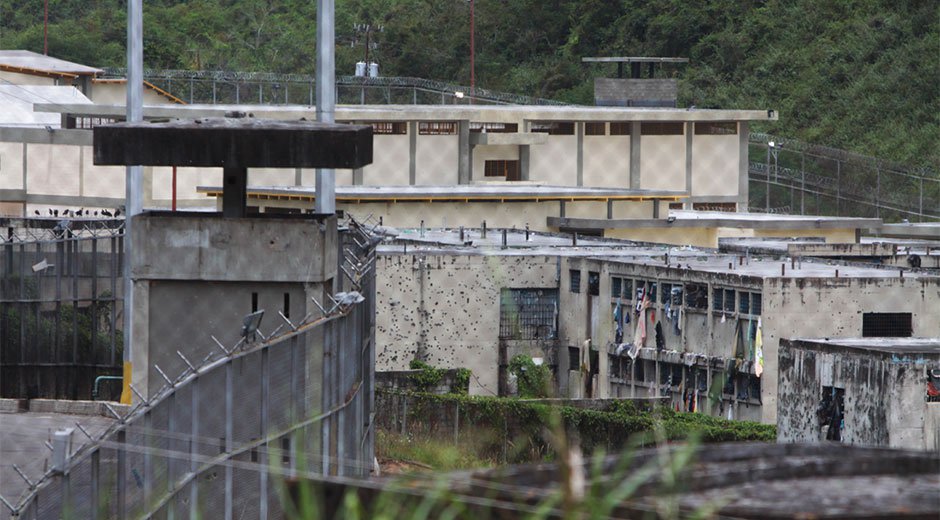
about 100 political prisoners held in the El Rodeo I prison, located on the eastern outskirts of Caracas, began a hunger strike to demand their release and denounce the conditions of confinement, after being left out of the benefits contemplated in the recently approved Amnesty Law.
The director of the NGO Penal Forum, Alfredo Romeroconfirmed that they are trying to verify the information:
“Family members report that approximately 100 political prisoners began a hunger strike in El Rodeo I”he declared.
Activist Tamara Suju, director of the Casla Institute, also warned about the situation through her social networks: “Approximately 100 political prisoners are on hunger strike. Most of them are military, but there are also civilians and foreigners. “Everyone demands freedom.”
For her part, Elisa Trotta recalled that among those detained remains the Argentine gendarme Nahuel Gallo, whom she described as “kidnapped” and demanded his immediate release.
Claims for the exclusion of soldiers from the amnesty
The main demands of the strikers aim to demand their freedom and reject the restrictions imposed by the Amnesty Lawwhich left out a large number of soldiers detained for political reasons.
Romero warned that these exclusions are “discriminatory and unconstitutional.” “You cannot talk about national coexistence while excluding such an important sector of society as the military and their families”he stated.
Relatives and human rights organizations also denounced internal repression, extreme restrictions and lack of information from prison authorities, according to testimonies collected by the AFP agency.
For more than six weeks, dozens of relatives have held vigils and camps in front of different detention centers, including El Rodeo I. The protests intensified after the approval of the Amnesty Law, due to the expectation of mass releases that have not yet materialized for those who were excluded from the benefit.
“We want to go home, we want to go home!“exclaimed relatives consulted by AFP.
Yessy Orozco, daughter of a detainee, rejected the treatment received: “They have to ask for forgiveness from us, who have kidnapped us, who have robbed us, who have violated all our human rights. Enough of so much abuse and torture.”
Access to the prison remains restricted. The authorities have not offered official information or allowed visits in the midst of the strike.
A law questioned by NGOs and activists
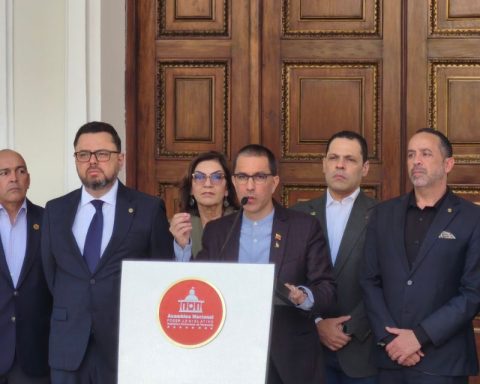
The Amnesty Law It was promoted by the acting president Delcy Rodríguez as a step to achieve “a more democratic, fairer, freer Venezuela.” According to Congressman Jorge Arreaza, the Prosecutor’s Office presented 379 amnesty requests to the courts, with releases scheduled from Friday night to Saturday morning.
However, independent organizations maintain that hundreds of prisoners were excluded. Foro Penal calculates at least 400 detainees not benefitedmostly military and people related to recent operations. The NGO will deliver to the parliamentary committee a list with 232 cases for review.
Amid the uncertainty and tension in the penitentiary centers, relatives hope that the special commission of Parliament will review the excluded cases and open the door to possible releases in the medium term.
While the detainees of El Rodeo I maintain the hunger strike as a measure of pressure, activists, organizations and relatives warn that the amnesty process will leave a new wave of conflicts if the exclusions that have generated discontent and growing protests throughout the country are not corrected.