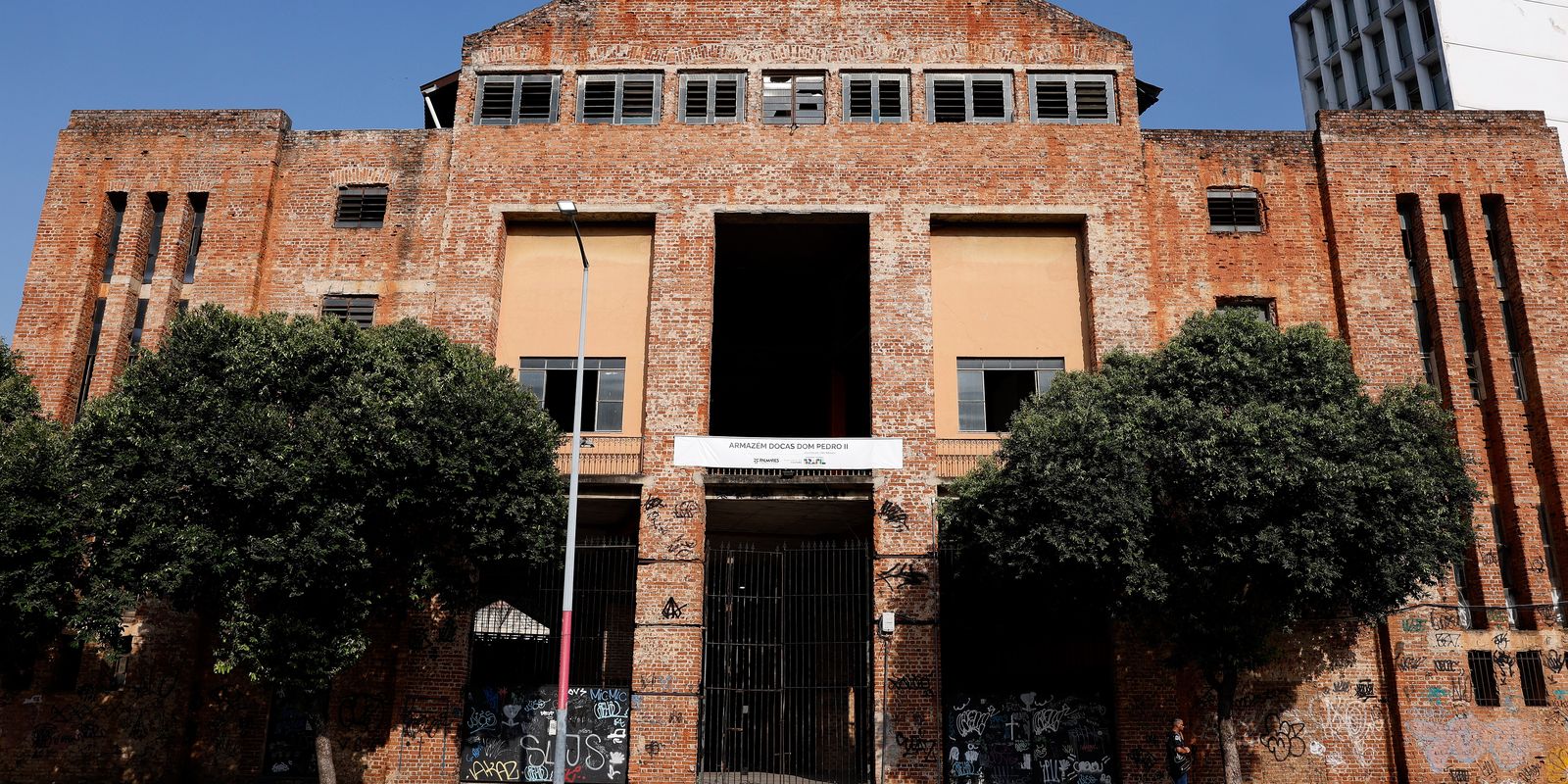
Warehouse Docas André Rebouças, this is how the former Docas Dom Pedro II building is called, located in small Africa, central Rio de Janeiro. The change honors the black and abolitionist engineer responsible for large engineering projects in the country, including the Curitiba-Paranaguá Railroad, the reform of the ports of Santos and Rio de Janeiro and the construction of D. Pedro II Docks. 
The decision was announced on Tuesday (16), during the meeting of the Advisory Board of Cultural Heritage of the Institute of National Historical and Artistic Heritage (IPHAN). The name will be updated in the book of archaeological, ethnographic and landscape tumble, and in the book of historical fall. Rebouças was an active defender of the abolition of slavery, proposing social measures such as former slaves education and profit sharing.
The Dom Pedro II Docas Building was erected without the use of enslaved labor. The building is a milestone of national engineering and symbol of black resistance. The building was listed by Iphan in 2016 and, from now on, began to honor André Rebouças in recognition of the black contribution in the history of Brazil.
The building is part of the region currently known as small Africa, a script in the port region of Rio, with historical places that mark the African diaspora in Brazil. The place is a symbolic space for the African descent community that, quickly, after the archaeological research, converted the place into a symbol of the struggle for the affirmation of its identity and its history.
The building houses historical and ethnographic values, due to the importance for the Brazilian identity memory, as a symbol of struggle for the equity of rights and opportunities of this portion of the population. Built in 1871, it was designed by Rebouças, the building is considered a hallmark of the evolution of the construction and modernization technique of port operation in Brazil.
Biography
André Pinto Rebouças was born in the municipality of Cachoeira, Bahia, on January 3, 1838. He was the son of Antonio Pereira Rebouças and Carolina Pinto Rebouças. The father, son of former slave and a white man, was a self-taught lawyer, deputy for the province of Bahia and advisor of Emperor Dom Pedro I.
>> New Hero of the Fatherland, André Rebouças left an anti -racist legacy

Rio de Janeiro (RJ) 10/17/2024-Black and Abolitionist Engineer André Rebouças is responsible for major engineering projects in the country, including the Curitiba-Paranaguá Railway, the reform of the ports of Santos and Rio de Janeiro and the construction of D. Pedro II docks. Photo -Archive: Fernando Frazão/Agência Brasil – Fernando Frazão/Agência Brasil
The Rebouças Family came to Rio de Janeiro in 1846. André and Brother Antonio, at 15 and 16, joined the Military School (precursor of the Polytechnic School) and formed military engineers in 1860. After a trip in Europe, (1861-1862) returned to Brazil in 1863 and were responsible for renovations in the fortresses of Santos to Santa Catarina. In 1864, André designed the new port of Maranhão.
André participated in the Paraguayan War, between 1865 and 1866, in the Battalion of Engineers and returned to Rio de Janeiro for health reasons. He participated in the works of the city’s port, was director of the works of the new cooks of Alfândega (in the current Praça XV) and responsible for the construction of Pedro II Docks (next to the Valongo Cais).