There is no doubt that Castroism feels cornered and almost isolated at the international level.
HAVANA, Cuba. – We are going to refer to the official information to try to unravel this enigmatic step to the State of War that has filled a large part of the Cuban population with uncertainty, and also those who follow the news from the Island abroad.
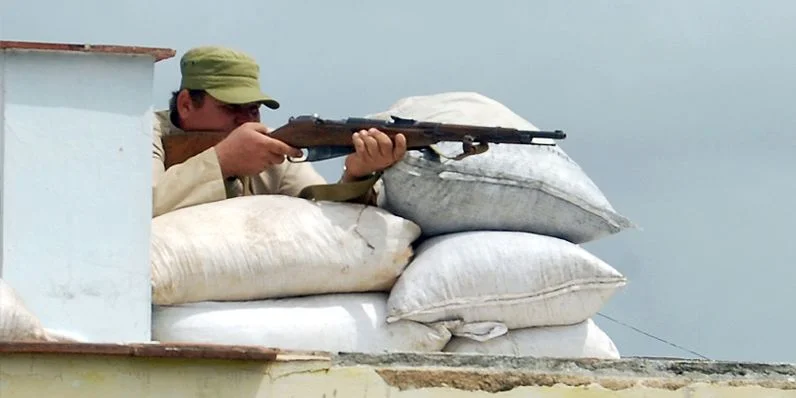
It was said that “in compliance with the activities planned for Defense Day and with the objective of increasing and perfecting the level of preparation and cohesion of the management bodies and staff, the National Defense Council met to analyze and approve the plans and measures for the transition to the State of War, as part of the preparation of the country under the strategic conception of the War of All the People.”
However, there are many “defense days,” sometimes even one monthly, and the National Defense Council does not always meet, much less a State of War is decreed. Nor is this step usually taken in the activities carried out as part of “the war of all the people,” which, as is known, was implemented in the 1980s at the initiative of Fidel Castro.
So we come to the conclusion that there is a novel element that makes the Castro leadership adopt a decision reserved for moments of maximum political tension. Regardless of the alarming fuel shortage that the country faces, such a novelty is that, like never before, the Castro regime feels cornered and almost isolated at the international level.
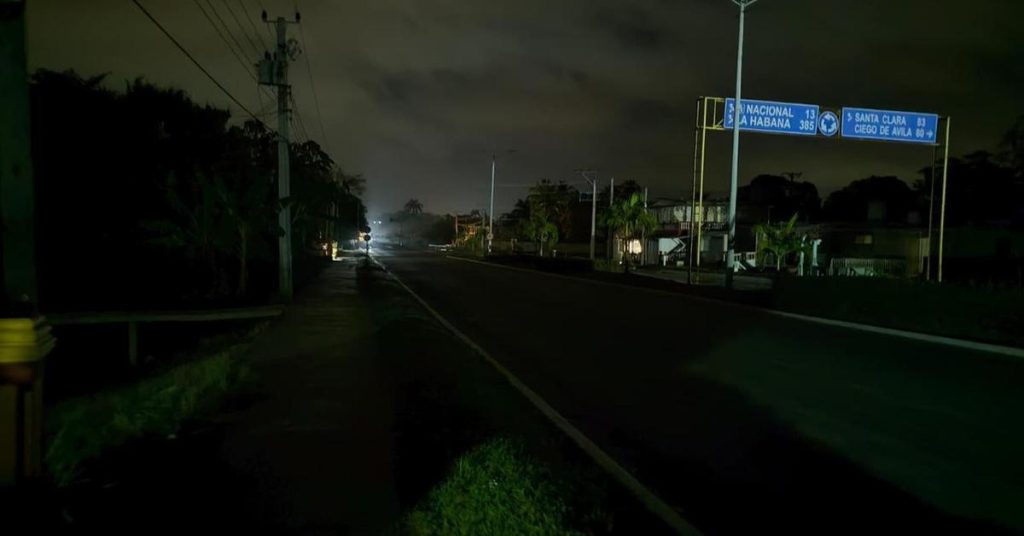
Internally, the machinery of power fears that at any moment the population will take to the streets to protest the long hours of blackouts, the high prices of basic necessities, the lack of presence of the so-called basic basket, as well as the low salaries that are not enough for anything. The recent visit to the Island by the Russian Minister of the Interior, more than a show of support for the regime, seems to have served to instruct the Cuban repressors in case they have to attack the people.
In the international arena, for its part, Castroism sees how every day the signs of solidarity towards the regime decrease. In Latin America, there are more countries that support respect for democracy and human rights, and abhor totalitarian regimes. Meanwhile, integration organizations such as CELAC – proven ineffective after the capture of Nicolás Maduro -, ALBA and others well regarded by the Castro regime are reeling in the face of the political uncertainty that reigns in Venezuela. We must add the voices raised in the European Parliament for the old continent to suspend all types of aid to Castroism.
Furthermore, the Cuban Government loses credibility and prestige with international credit organizations. These days the brand new Deputy Prime Minister Oscar Pérez-Oliva Fraga – successor of the veteran Ricardo Cabrisas in such a difficult task – He begged the island’s creditors that they consider the poor financial situation of the country and forgive the non-payment – once again – of the debts contracted.
Now, what is not clear is whether the plans for the transition to the State of War have been analyzed for its future, or almost immediate implementation, or if we are already going through that dark period. Because, if we take into account the blackouts that ordinary Cubans suffer daily, with 12 and up to 20 consecutive hours without electricity, no one would doubt that we are already in the middle of war.