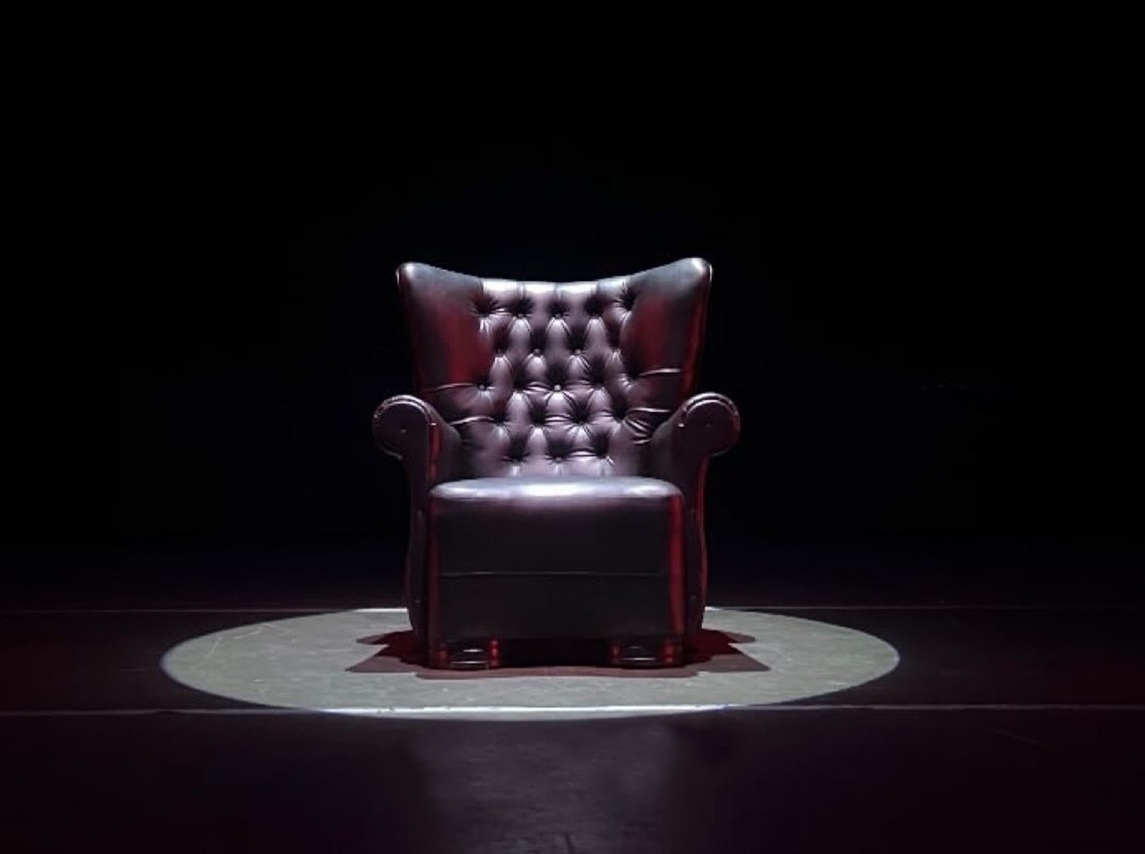
“A work of art that was not, an armchair, silence and the art of resistance” was the response of Fábrica de Arte Cubano (FAC) to the censorship of the tribute show previously scheduled for this Sunday for the centenary of the legendary Celia Cruz.
The musicographer Rosa Marquetti detailed that “at the time when the CENSORED play CELIA, by Teatro El Público, should have gone on stage,” “an hour of absolute silence and an illuminated chair” were provided.
“Later, a DJ playing music from La Reina, La Guarachera de Cuba, La Reina de la Salsa, the most universal Cuban,” he wrote. “NO TO CENSORSHIP! OUT WITH THE CENSORS!”, reiterated the researcher, author of the books Celia in Cuba and Celia in the world.
For its part, the FAC post was released this October 20, established years ago as Cuban Culture Day. With a “Celia lives” he closes the message.
Censorship
Last Thursday, authorities from the National Center of Popular Music announced the suspension of the show Celiastaged by Teatro El Público, which would have dramaturgy by Norge Espinosa and direction by Carlos Díaz.
The play was scheduled for 8:30 at night and was announced days before, creating great expectations among the followers of the FAC networks and lovers of the work of the Cuban performer.
Cultural authorities cancel show dedicated to Celia Cruz in Havana
Then, Marquetti herself wrote that they had been “fearing that voice for 60 years, trembling with fear just by pronouncing or writing its name, terrified of its extraordinary power of convocation, knowing well that its cry of ‘Sugar!’ and its joy carry and convince much more than the bitterness and karmic negativity with which they impose orders, deal blows and threaten with the only thing they have: the force of factual power.”
Celia Cruz, born in Havana on October 21, 1925 and known worldwide as the “Guarachera of Cuba,” died in the United States on July 16, 2003. During her exile, which began in July 1960, she was canceled on the island for her criticism of the ideology established by the Cuban Government after 1959.
While his career became increasingly successful in the world, Cubans on the island have practically had no access to his work on a regular basis and, twelve years after his physical disappearance, censorship persists: he is not included in radio and television programs, with some exceptions.
A tribute in La Rampa
On Sunday itself, a tribute to Celia Cruz carried out by the Failde Orchestra on September 1 at Arte en La Rampa, a fair organized by the Cuban Fund for Cultural Assets (FCBC), Artex, the Musical Recordings and Editions Company (EGEM) and the Hermanos Saíz Association (AHS), transcended.
Faced with the video, shared on the orchestra’s Facebook profile, some wondered why one was allowed to pay tribute to the legendary guarachera, while others received censure when they tried to remember her legacy, essential for the promotion of Cuban culture in the world.
From what can be seen, the tribute by Failde, a group that has two Grammy Award nominations, lasted for about 10 minutes and kept the audience present in the Cuba Pavilion dancing. “Orquesta Faile, Celia Cruz,” is heard at the beginning of the medley that began with “Bemba Colorá” and continued with “La negra tiene tumbao.”
Regarding this fact, Marquetti herself wrote that, regardless of the fact that what is important in this case is the tribute to the artist, the same question that the playwright Norge Espinosa asked on his Facebook profile had to be asked: why some yes and others no?