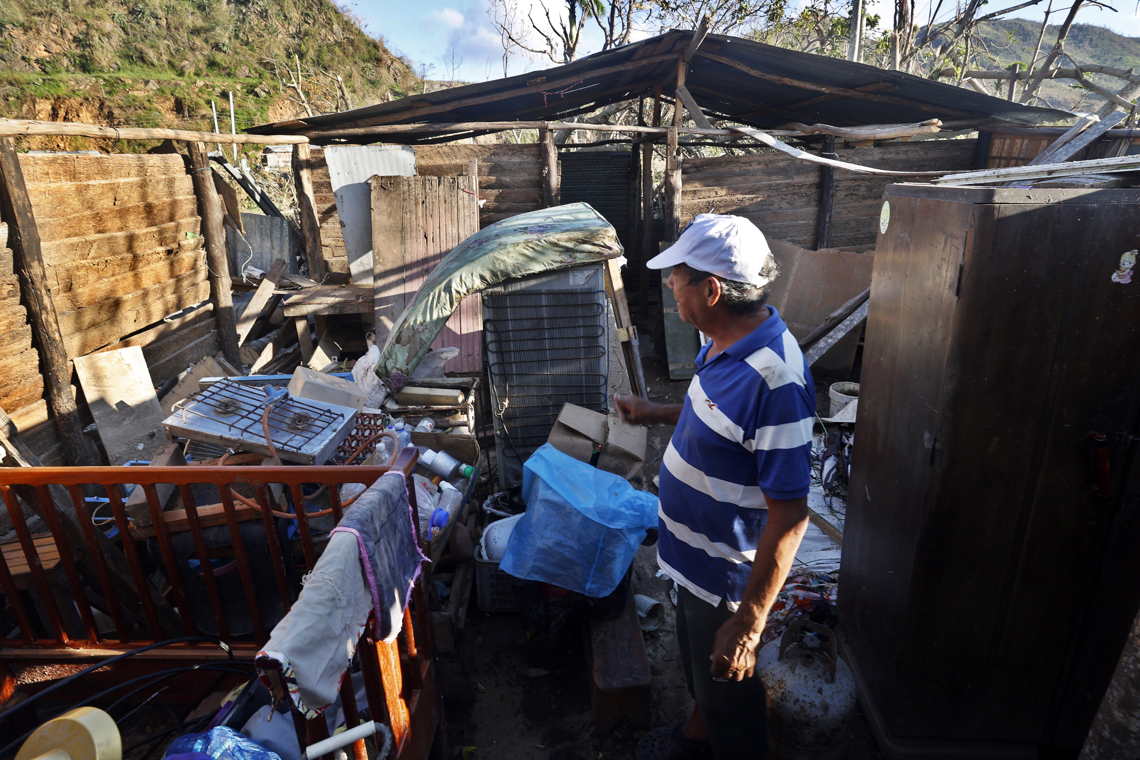
The National Civil Defense General Staff determined that the territory of Santiago de Cuba would move to the normality phase after the devastating passage of Hurricane Melissa, almost two months ago.
In information note number 10 about this meteorological event, the Civil Defense reported that said phase could be declared “taking into account the work carried out”, which is supported by actions that have allowed “the rehabilitation of vital services.”
The note, cited by Granmapoints out that “reconstruction activities continue with the administration structures and local organizations.”
“The work carried out by the management bodies, the media and the population is recognized for the discipline and solidarity shown in compliance with the measures oriented during the preparations, response and recovery from this event,” the brief report states.
At the beginning of this month, the Civil Defense returned the other affected territories, the provinces of Holguín, Granma and Guantánamo, to normality; although it specified that “reconstruction actions would continue with the support of local administrations, territorial organizations and the active participation of the population.”
Two months, which has been a year for some
Hurricane Melissa crossed the east of the island with category 3 (out of 5) on the Saffir-Simpson scale with winds of 200 kilometers per hour and rainfall of up to 400 millimeters in some parts of the country.
Gerard van der Sluijs’ trip to Cuba: a gesture of solidarity after Melissa’s passing
The extensive material damage – but without fatalities, according to the Cuban Government – covered 600 state medical infrastructures, more than 2,000 educational centers, some 100 thousand hectares of crops and transportation, telecommunications, electricity and water supply infrastructure, as cited EFE.
United Nations presented an action plan of 74.2 million dollars to serve a population of around one million people, just over 10% of the country, and multilateral agencies, NGOs such as the Red Cross, the Catholic Church and countries such as China, Venezuela, Spain, Colombia, South Korea and Mexico have sent food and humanitarian aid for the recovery of those affected.