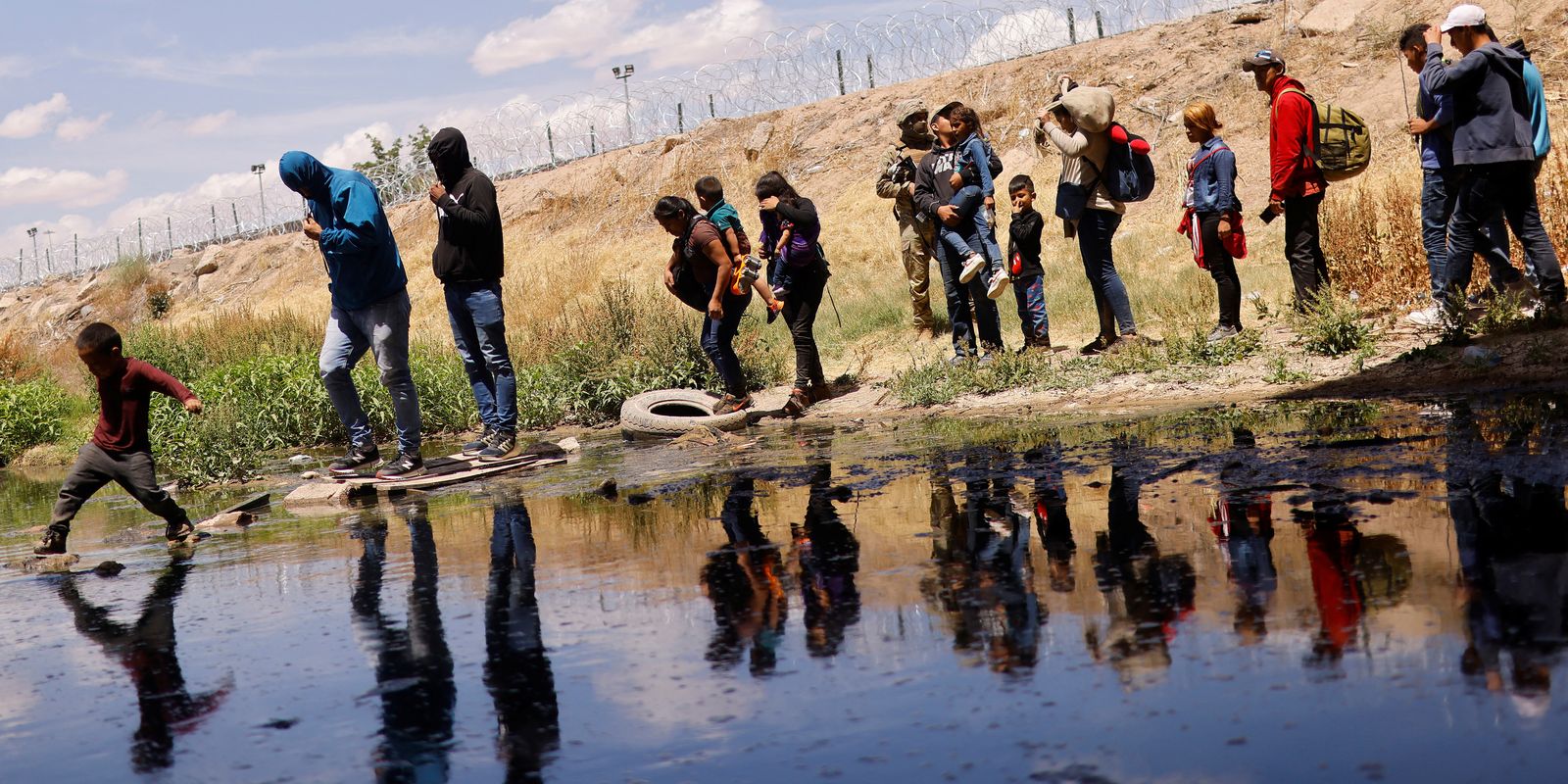
Nearly 8,000 people died or went missing last year on dangerous migration routes such as the Mediterranean and the Horn of Africa, but the real number is likely much higher as funding cuts have affected humanitarian access and tracking of deaths, the International Organization for Migration (IOM) said.
Legal pathways for migration are shrinking, pushing more people into the hands of smugglers, the IOM said, as Europe, the United States (US) and other regions step up enforcement and invest heavily in deterrent measures.
“The continued loss of lives along migration routes is a global failure that we cannot accept as normal,” said the organization’s director general, Amy Pope, in a statement released this Thursday.
“These deaths are not inevitable. When safe routes are out of reach, people are forced to undertake dangerous journeys and fall into the hands of smugglers and traffickers. We must act now to expand safe and regular routes and ensure that people in need can be protected, regardless of their status.”
While deaths along migration routes fell to 7,667 in 2025 from nearly 9,200 in 2024 as fewer people attempted dangerous irregular journeys — particularly in the Americas — the decline reflects diminishing access to information and a lack of funding that have hampered efforts to track deaths, the IOM said.
The Geneva-based organization is among several aid groups hit by major U.S. funding cuts, which have forced it to scale back or close programs in a way it says will have a severe impact on migrants.
Sea routes remained among the deadliest journeys, with at least 2,108 people killed or missing in the Mediterranean last year and 1,047 on the Atlantic route to Spain’s Canary Islands, the agency said.
About 3,000 migrant deaths were recorded in Asia, more than half of them Afghans, and 922 died crossing the Horn of Africa from Yemen to the Gulf states, a sharp increase from the previous year. Almost all were Ethiopians, many of whom died in three mass shipwrecks.
*Reproduction of this content is prohibited.