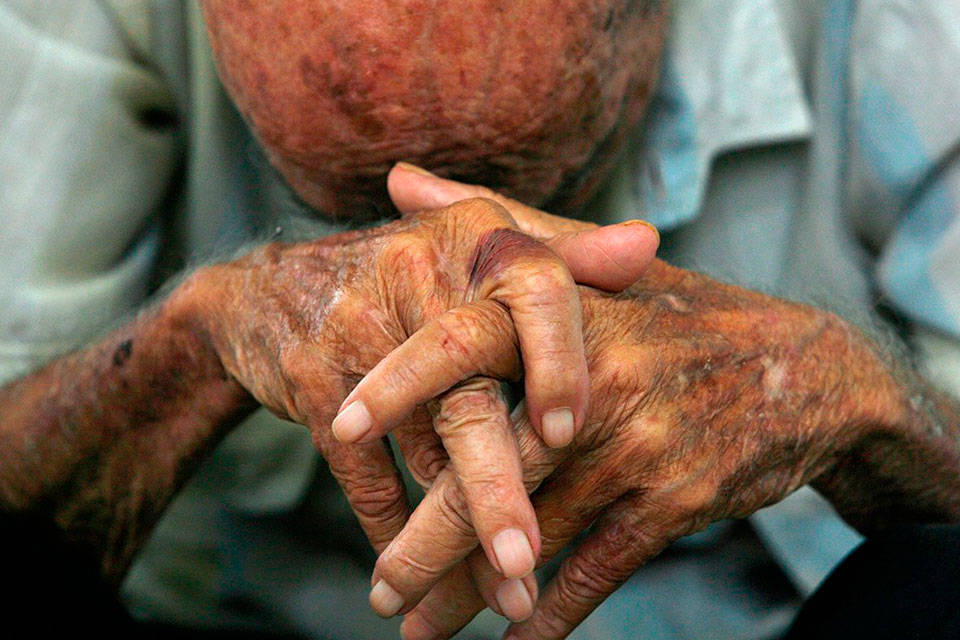
At the event “Challenges and Opportunities of Population Aging”, held by Convite, a “Silver Route” was proposed to transform aging in Venezuela into a development opportunity
The Convite organization warned about the “aging of Venezuela” and the absence of official data that allows us to know the size of the elderly population and the planning of actions for their well-being.
Within the framework of its 20th anniversary, Convite held the meeting “Challenges and Opportunities of Population Aging”, presenting a 360° vision that combines technical complaint with innovative solutions.
Sociologist Flérida Rengifo highlighted that “Venezuela has entered a phase of advanced demographic aging, characterized by a narrowing of the base of the population pyramid and a widening of the top.”
The specialist regretted that these changes are taking place “blindly” due to the lack of updated official data.
“It is imperative to establish Demographic Governance that institutionalizes demographic work, incorporates academia and respects the right to information to be able to design plans that link population and development,” said Rengifo.
*Read also: UN High Commissioner asks to release all political prisoners in Venezuela
Feminization of poverty and care
For her part, Dr. Rosa Paredes made visible the profound gender inequality that affects old age. According to her presentation, more than 70% of care tasks worldwide fall on women, a figure that in Venezuela translates into a disproportionate burden that prevents older women from accessing economic autonomy.
«Care is a human right. We must move towards a Care Society where the State, the private sector and families share this responsibility, stopping seeing the elderly as a passive subject and recognizing them as an agent with potential,” Paredes emphasized.
silver route
At the event, Convite proposed a “Silver Route” to transform aging in Venezuela into a development opportunity
He highlighted that, although the country faces a profound demographic and social crisis, possibilities such as the “Silver Economy” are emerging to return autonomy to older people.
María Alejandra Hernández, representative of the Voluntary Dividend for the Community (DVC), was in charge of presenting the “Silver Alliance.” He explained that longevity should be seen as an asset and not a burden.
“The Silver Economy seeks to satisfy the demands of those +55 through innovation,” said Hernández.
Among the notable proposals are the promotion of Senior Talent in companies, Age-Friendly Tourism (with successful examples such as in the Mariño Municipality) and the use of connectivity technology so that the knowledge of older people becomes real income.
Ageism is a human issue.
Also participating – via online – Catalina Santana, founder of 101 ideas (Colombia) and Belén Martínez from Helpage International Spain, both agreed on the importance of including older people in the workplace and assuming ageism as a human issue that must be deeply addressed so as not to leave them behind. Older people still have a lot to contribute not only to the economy but to society.
Living conditions
Convite presented the “Evaluation of Living and Health Conditions 2025” where Yaniret Fernández showed the data that reflects the situation of older adults in Venezuela.
Income gap: While an older person receives an average of $51 per month (pensions/bonuses), the minimum cost of living is between $450 and $500.
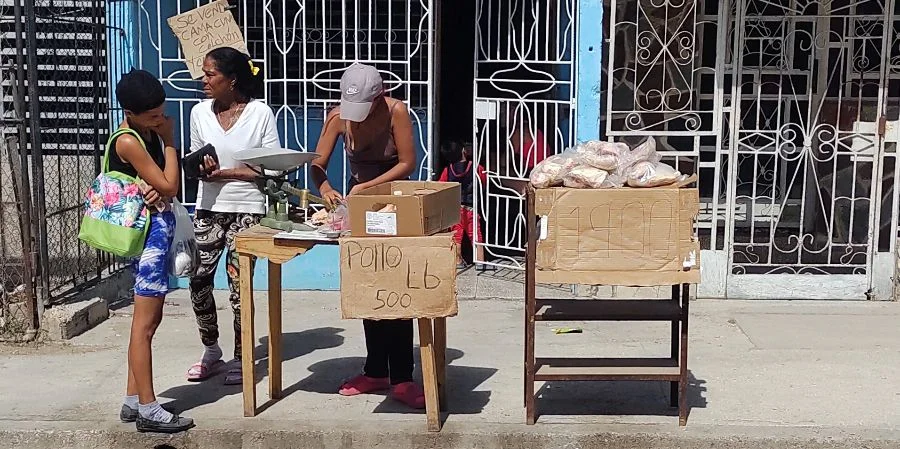
Critical feeding: 52% of older adults have reduced their food portions and 32% have resorted to consuming by-products (innards, bones or skin) due to the impossibility of buying proteins.
Healthcare abandonment: 82% require daily medication for hypertension and diabetes, but 62% have extreme difficulties affording it. Additionally, 34% have not seen a doctor in more than a year.
*Journalism in Venezuela is carried out in a hostile environment for the press with dozens of legal instruments in place to punish the word, especially the laws “against hate”, “against fascism” and “against the blockade.” This content was written taking into consideration the threats and limits that, consequently, have been imposed on the dissemination of information from within the country.
Post Views: 0