The presentation is part of the Miami Book Fair program, which concludes next weekend.
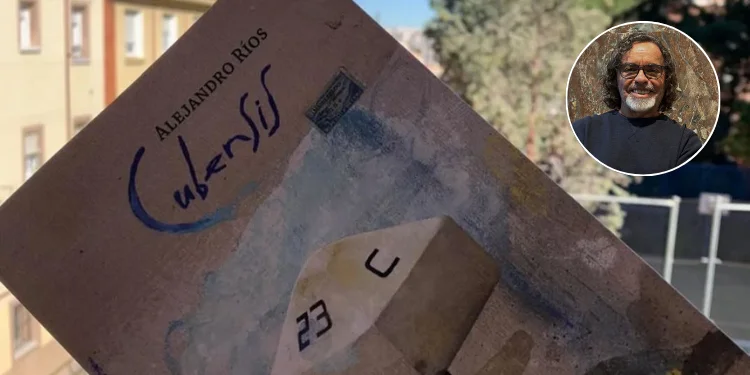
MIAMI, United States. – Cuban film critic and journalist Alejandro Ríos will present his book Cubensis (Casa Vacía, 2025) next Sunday, November 23, at the Miami Book Fair. The activity is part of the panel “Cuba and Miami, politics and culture on two shores (non-fiction)”.
Cubensis is a compilation of works published by Ríos in CubaNet. In the opening text of the workthe author himself explains that it is “a selection of columns published weekly in CubaNetbetween the years 2021 and 2024.” The selection includes articles focused on cinema, theater, plastic arts, travel, figures of Cuban culture erased by Castroism and the “battle for freedom,” according to the fragment released by the Casa Vacía publishing house.
“The column is the journalistic genre that I enjoy the most because of the freedom that comes with telling a story and filtering personal ideas,” Ríos assured CubaNetregarding the launch and presentation of the new book.
“I will always be very grateful for this platform because it allowed me to communicate with both sides of Cuban drama. When writing I never lost perspective of what might interest potential readers on the Island,” the author, who lives in Miami, also specified.
The columns gathered in Cubensis continue the line of work that Ríos inaugurated with The prying gazea book published by Hypermedia in 2017 that compiled a decade of texts that appeared in The New Herald. In the introduction of this new installment, the author insists on the need to tell all possible stories about Cuban reality to dispute the official monopoly of the story.
“I think I have managed to bring together some of the enduring, timeless texts,” said the critic and journalist, who stressed that the book is published, “with care, by the Casa Vacía Publishing House, a cultural endeavor of the poet and writer Pablo de Cuba Soria, who already has a notable catalog.”
“I am honored to have a prologue written by my friend and distinguished researcher at the UNAM Bibliographic Research Institute in Mexico, Alejandro González Acosta, and a text for the back cover of the admired filmmaker Carlos Lechuga”.
The author also highlighted the cover of the volume, based on an oil painting painted especially for the edition by the artist Waldo Saavedra.
Ríos, born in Havana in 1952, is one of the most recognized voices of Cuban cinematographic analysis in exile. According to the biographical file of the Miami Book Fair, is a film critic and journalist, founder and curator of the Miami Film Festival’s Cuban Film Series and programmer of the section Spotlight on Cuba.
He is also a member of the Ibero-American Authors Program at the Miami Book Fair, and for a decade he was the presenter and producer of the television program The prying gaze in AméricaTeVe and has published columns on cinema and culture in The New Herald and CubaNet.
Ríos’ career is closely linked to the promotion of Cuban independent cinema: he organized the first Cuban Alternative Film Festival at Miami Dade College in 2003 and was co-curator, in 2018, of the festival The forbidden fruitdedicated to Cuban independent cinema of the 21st century.
The term “cubensis,” Ríos recalls at the beginning of the book, comes from the scientific nomenclature that identifies fauna and nature native to Cuba, but in this case it is transferred to the sentimental and cultural field to name a collection of columns about the country and its diaspora.
The publication also has a prologue by the Mexican Alejandro G. Acosta, from the UNAM Bibliographic Research Institute, who describes the volume as a vast fresco of Cuban culture inside and outside the Island and considers it an essential documentary testimony to understand both the history of Cuban cinema and the future of exile.
For CubaNetthe presentation at the Miami Book Fair also means the arrival in book format of a significant part of the columns that the medium has disseminated in recent years.
The presentation of Cubensis is scheduled for 12:00 noon next Sunday, November 23, in building 8 of the Wolfson campus of Miami Dade College (fifth floor, room 8503).