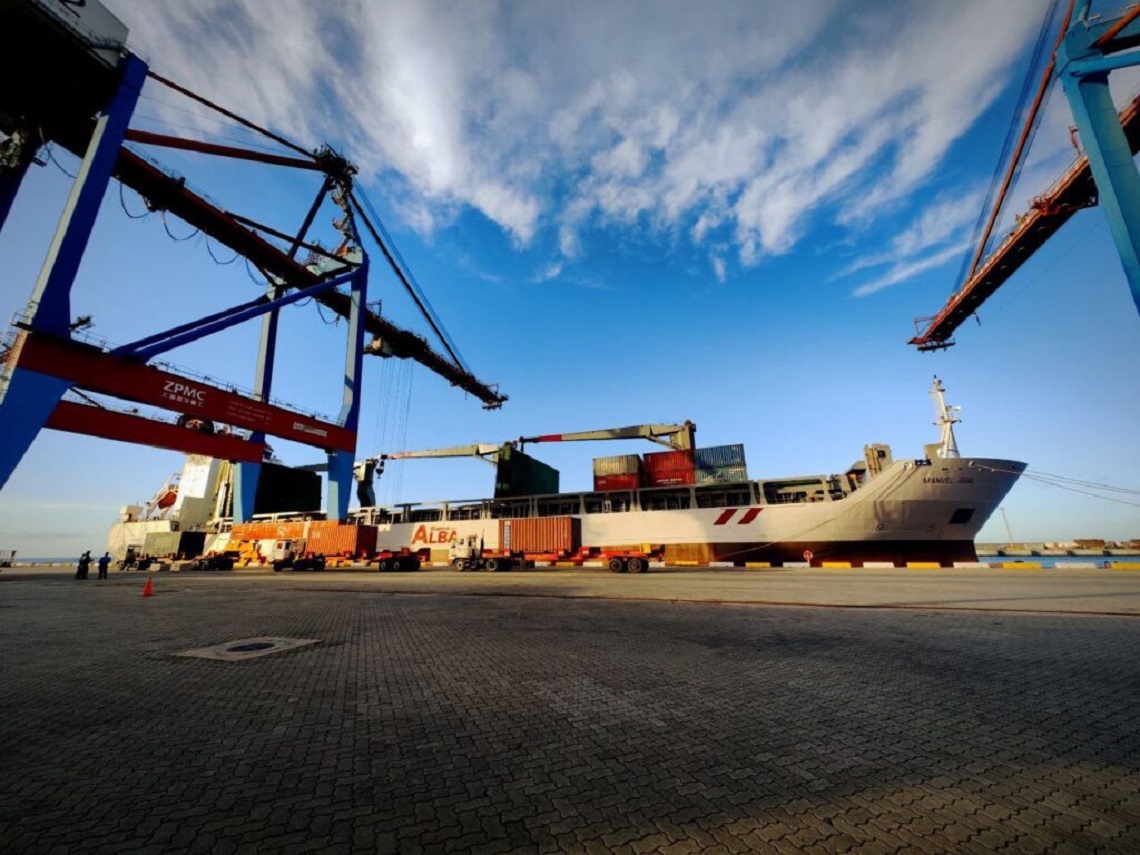
The Bolivarian Alliance for the Peoples of Our America (ALBA) announced the sending of a ship loaded with 5 thousand tons of humanitarian aid from the port of La Guaira, in Venezuela, the executive secretary of the organization, Rander Peña, announced this Saturday from Caracas.
In humanitarian response after the passage of Hurricane Melissa through Cuba, the shipment includes food, medicine, household goods, toys and an electrical brigade intended to support the recovery of basic services in the most affected areas, said a dispatch from the Spanish agency EFE.
“These are the only ships that leave, ships with solutions, ships with help,” Peña said in a message broadcast by Telegram.
For his part, the Cuban ambassador to Venezuela, Jorge Mayo, celebrated the gesture as a sign of the constant solidarity between both countries.
“Just at the moment where imperialism threatens the people of the Caribbean, threatens Venezuela, threatens our America, precisely through those seas that love, that friendship, that exemplary solidarity transits,” Mayo said, referring to the strong military deployment that the United States maintains near the maritime border of the oil country.
The sending of the ALBA ship adds to a previous operation carried out on October 30, when Venezuela sent 46 tons of humanitarian aid to Cuba and Jamaica through flights of the state airline Conviasa.
The Venezuelan Foreign Minister, Yván Gil, explained that the shipment included food and medical and infrastructure supplies.
Japan, France and other countries join the international effort
Aid has not only come from Latin America. Japan has also contributed with a shipment of essential goods such as water purifiers, blankets, tents and mats, EFE reported.
The Japanese ambassador to Cuba, Nakamura Kazuhito, highlighted the emergency nature of the initiative and expressed his condolences to those affected.
The Japan International Cooperation Agency (JICA) reaffirmed its commitment to the recovery of Cuba. “Cuba will once again show its ability to rise up in difficult situations,” declared its representative Ashida Tatsuya.
In addition to Japan and Venezuela, countries such as Colombia, the Dominican Republic, Panama, Spain and India, as well as several international agencies and blocs, have sent humanitarian aid in recent days, consolidating an international support network in the face of the catastrophe.
Macron expresses direct support for Díaz-Canel
From Europe, French President Emmanuel Macron held a telephone conversation with his Cuban counterpart, Miguel Díaz-Canel, to express France’s solidarity and offer direct cooperation.
The gesture was publicly thanked by Díaz-Canel and by Cuban Foreign Minister Bruno Rodríguez, who highlighted the importance of this support in critical moments.
The European Union (EU) maintains an air bridge with flights departing from Panama with humanitarian aid, with a total planned so far of 125 tons valued at more than 500 THOUSAND dollars, as an emergency response to the devastating passage of Hurricane Melissa through Jamaica, Cuba and Haiti.
IFRC Help
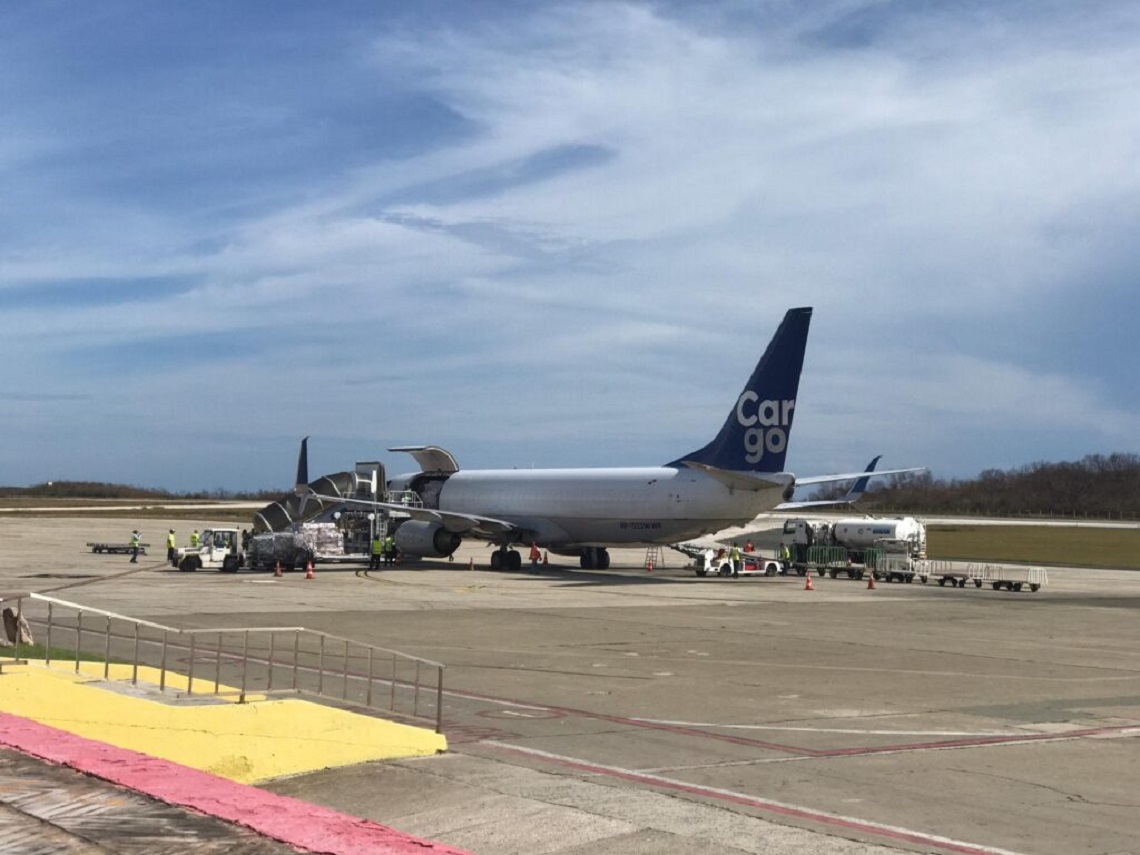
This Saturday the arrival of a charter flight from the International Federation of Red Cross and Red Crescent Societies (IFRC) that landed in Santiago de Cuba with the first 20 tons of humanitarian aid was reported.
According to a note published by the portal Cubasithe shipment, from the Tocumen International Airport, in Panama City, has the capacity to provide urgent humanitarian assistance to 1,500 people.
The cargo consists of kitchen, hygiene and rest kits, blankets, mosquito nets, solar lamps, tool kits and plastic tarps. These items will be distributed by the Cuban Red Cross in the areas hardest hit by the hurricane.
The hygiene kits include essential items such as soap, toothbrushes, shampoo, menstrual hygiene products, towels and toilet paper, all intended to help families maintain their health and personal care after the hurricane.
Along with mosquito nets, these kits are essential to prevent diseases in contexts where access to water and sanitation has been interrupted.
The rest kits contain items such as sheets and pillows that allow families who lost their housing to have better conditions in temporary accommodation. As a complement, the tools will contribute to cleaning and reconstruction tasks, while the kitchen kits will provide food preparation and serving utensils for five people. Together, these kits will support daily living, health and recovery.
Marianna Kuttothara, head of Health, Disasters and Crisis at the IFRC for the Americas, pointed out that “just three days after Hurricane Melissa, humanitarian aid was already ready for shipment and will now be distributed with humanity and commitment to those who need it most.”
This delivery of aid in record time is possible thanks to the humanitarian aid prepositioned by the IFRC in its Humanitarian Hub, located in Panama.
In the Central American country, the organization stores enough basic necessities to assist 20,000 people within 48 to 72 hours after a disaster.
A critical scenario
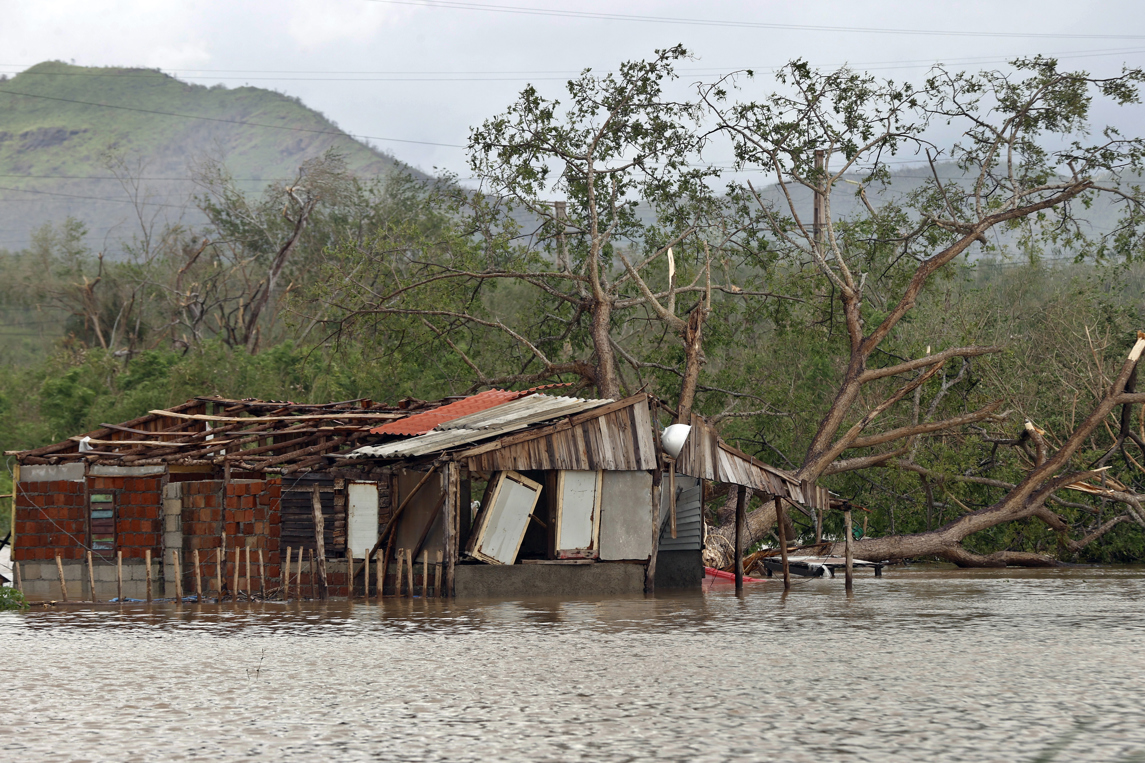
According to UN estimates, nearly 2.2 million people in the provinces of Granma, Santiago de Cuba, Holguín and Guantánamo have been severely impacted. The effects include critical damage to homes, interruptions in basic services, communication problems and threats to food security.
Although services are beginning to be restored, authorities warn that normalization will take time, while on social networks the scenes and testimonies captured by the victims speak of the devastation and precarious living conditions in the affected communities.