The Bolivarian Alliance of the Peoples of Our America (ALBA) approved creating a special energy and electricity mission to support Cuba in the midst of its severe energy crisis.
The decision, following a proposal by Venezuelan President Nicolás Maduro, came to light during the XXV Summit of the bloc, held virtually this Sunday and in which Cuban President Miguel Díaz-Canel also participated.
“I have communicated to the delegations of our nine countries, a proposal that we have been working on to, in the spirit of the Miracle Mission, fellow President Díaz-Canel, create a special ALBA energy and electricity mission,” said the president. cited by EFE.
Maduro indicated that this mission will seek to support in an “extraordinary” and special way the people of Cuba in their fight “against the blockade and the impact of all energy and electricity issues.”
“It would be (the) International Energy and Electricity Mission of Special Support for the People of Cuba,” he explained, according to the report from the Spanish agency.
| The countries of #DAWNgathered today at their XXV Summit, approved to create the “Special International Energy and Electricity Mission in support of the people of #Cuba“, an initiative of the President of #VenezuelaNicolás Maduro.
— Presidency Cuba (@PresidenciaCuba) December 14, 2025
What does it contemplate?
The initiative “seeks to offer technical, logistical and supply cooperation to face the critical energy situation that affects the island,” refers Cubadebate.
According to the official media, Maduro claimed to have given “instructions to elevate everything we are doing today with Cuba in that regard” and stressed his Government’s commitment to that plan, although without offering specific details about the specific actions it contemplates.
In this regard, the Cuban digital platform points out that the implementation of this special mission “will probably include the sending of experts, equipment and fuel.”
The same, he affirms, must be coordinated “in the coming days” through “the technical mechanisms” of ALBA and the bilateral agreements between Venezuela and Cuba.
The energy mission for Cuba “is framed in a series of agreements and final declarations that seek to strengthen integration in areas such as economy, health and food security,” details the media, according to which the initiative, in the opinion of the countries of the bloc, “constitutes a tangible demonstration of the founding principles” of that regional alliance.
Havana thanks
After the agreement was announced, the Foreign Minister of Cuba, Bruno Rodríguez, supported the initiative and said in X which is a new demonstration of “the essence of the Alliance as a mechanism that puts solidarity and cooperation between brother peoples at the center of its work.”
This special ALBA mission is created at a time when the island is suffering a worsening of its prolonged energy crisis, mainly due to the poor condition of its old thermoelectric plants and the lack of fuel for the batteries of diesel and fuel engines.
This situation causes blackouts of 20 or more hours in a row in numerous circuits and towns in the country, which have exceeded more than one day in the dark continuously at times of greatest deficit. This seriously threatens daily and economic life, and fuels the unrest of the population, manifested not only in criticism on the networks, but also in banging pots and protests.
Independent experts, cited by EFEpoint out that the energy crisis responds to chronic underfinancing of the sector by the State. In his opinion, the problem is structural and there is no solution in the short or medium term, given the current scenario of the energy infrastructure and the financial situation of the country.
For its part, the Cuban Government points to the impact of US sanctions on electricity generation and accuses Washington of causing “energy asphyxiation” on the island.
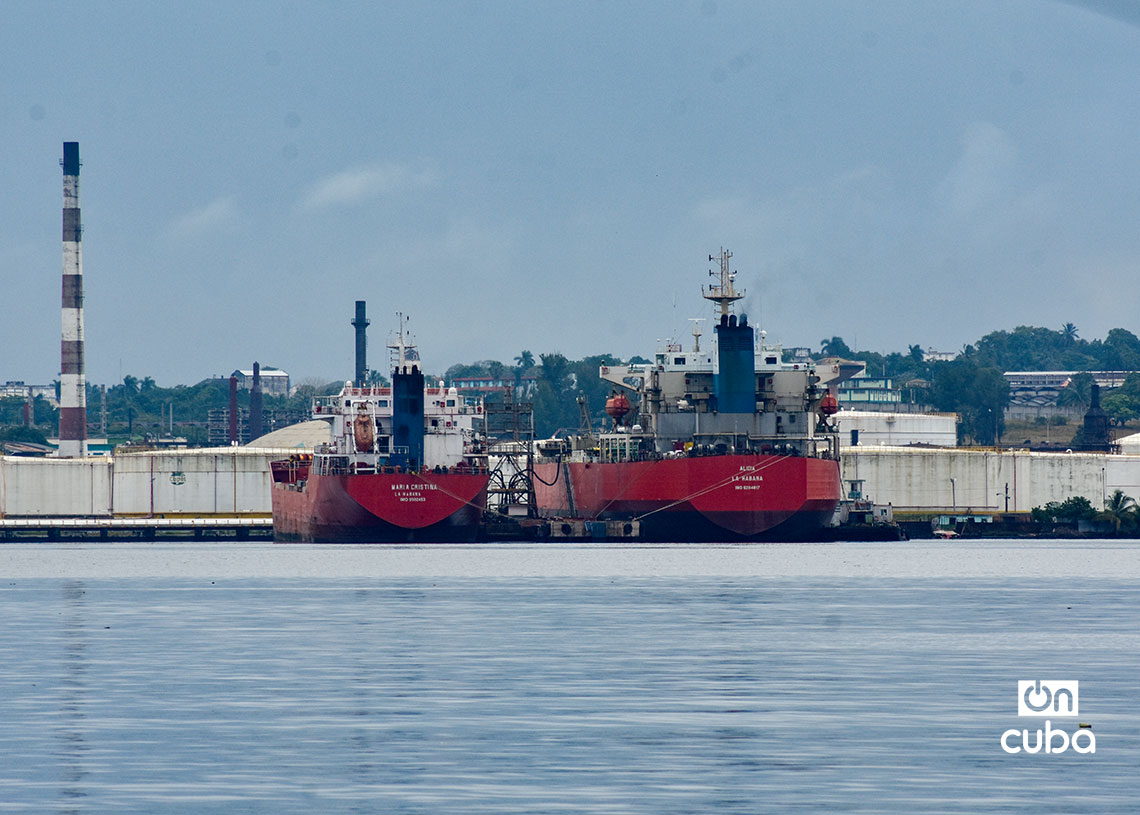
In this sense, the island’s Foreign Ministry considered that the recent confiscation of a ship with Venezuelan oil, in addition to being an “act of piracy,” “is part of the escalation of the United States to impede Venezuela’s legitimate right to freely use and trade its natural resources with other nations, including hydrocarbon supplies to Cuba.”
“These actions have a negative impact on Cuba and intensify the policy of maximum pressure and economic asphyxiation of the United States, with a direct impact on the national energy system and, consequently, on the daily life of our people,” said the Minrex.