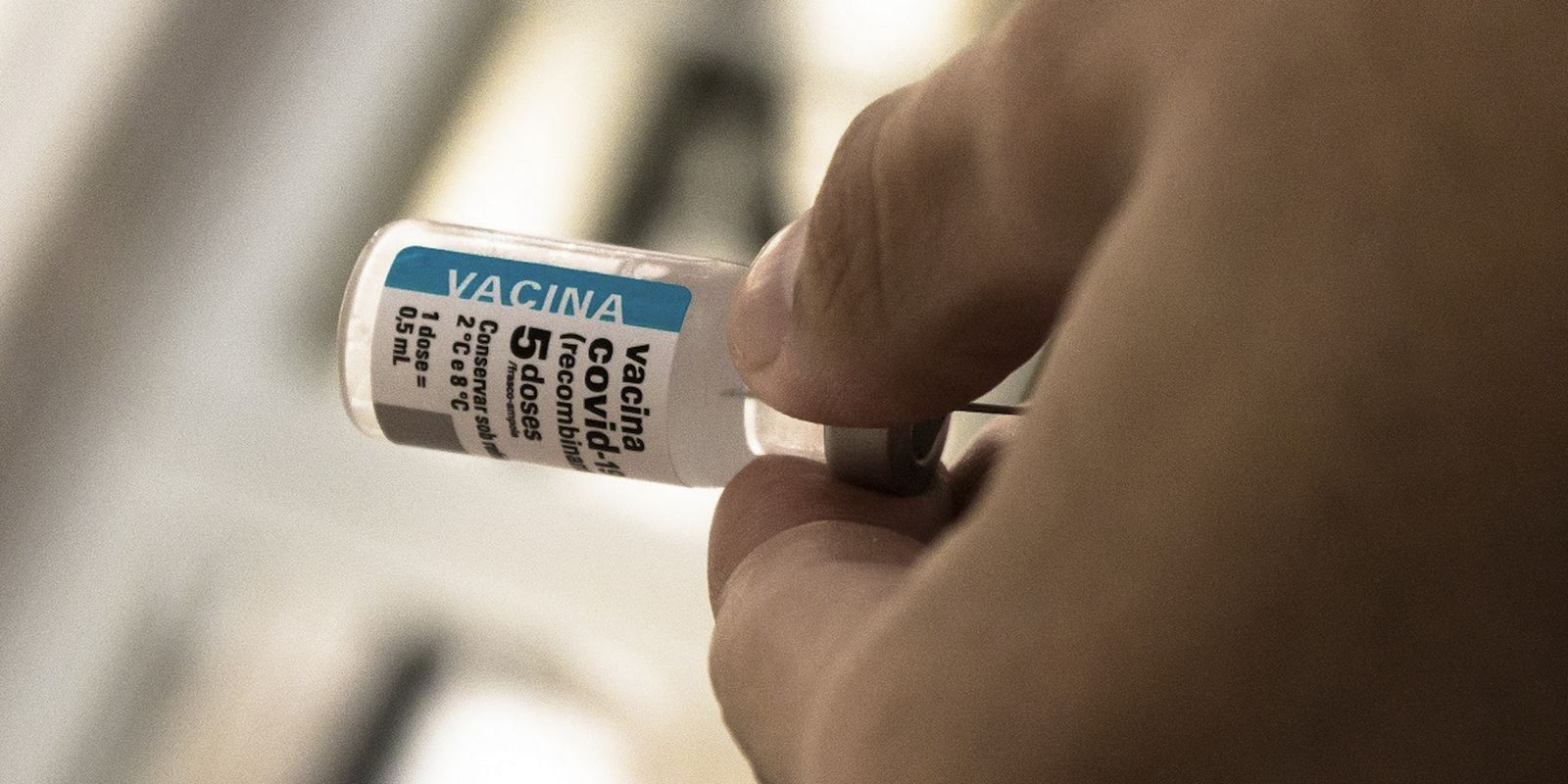
Vaccination against Covid-19, which began 5 years ago in Brazil, led to the end of the pandemic – but the disease still persists, even at much lower levels. Therefore, experts warn that it is essential to maintain immunization among those who have not been vaccinated before or who are at greater risk of developing severe cases of the disease.
Coverage, however, is far from ideal: in 2025, of every 10 doses distributed by the Ministry of Health to states and municipalities, less than 4 were used. There were, in total, 21.9 million vaccines, and only 8 million were administered.
Data from the Infogripe platform of the Oswaldo Cruz Foundation (Fiocruz), which monitors the occurrence of the so-called severe acute respiratory syndrome (SARS), shows the consequences of this low coverage. In 2025, at least 10,410 people became seriously ill after being infected with the coronavirus, with around 1,700 deaths. The numbers only refer to cases confirmed with laboratory testing and, as some records are entered late into the Ministry of Health’s surveillance system, data for 2025 may still increase.
Infogripe coordinator Leonardo Bastos reinforces that the coronavirus continues to be one of the most threatening respiratory viruses for health.
“Covid has not gone away. From time to time we have outbreaks and we constantly evaluate whether these outbreaks grow, whether they can turn into an epidemic. What we see today in the number of cases and deaths is still absurd. But, as we went through a surreal period in the pandemic, what would be considered high ends up being normalized”, he says.
The platform’s researcher, Tatiana Portella, adds that the virus has not yet demonstrated seasonality, like influenza, for example, which tends to see an increase in cases in winter.
“We can have a new wave at any time with the emergence of a new variant, which can be more transmissible, infectious, and there is no way to predict when this new variant will emerge. That’s why it is important that the population is always up to date with vaccinations”, he recommends.
Children
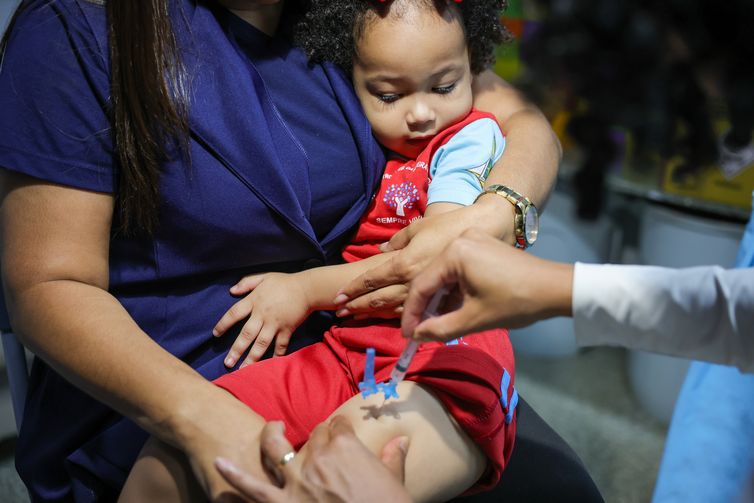
The DF Health Department promoted a child vaccination day at Creche Semper Viva, in the satellite city of Ceilândia – Fabio Rodrigues-Pozzebom/ Agência Brasil
Since 2024, the covid-19 vaccine has been included in the basic vaccination schedule for three groups: children, the elderly and pregnant women. Furthermore, people who are part of special groups (check the complete information below) must periodically reinforce their immunization. However, meeting this schedule has been a challenge in Brazil. According to the Ministry of Health, 2 million doses were administered to children in 2025, but the ministry did not specify the coverage rate achieved with this total.
The public vaccination panel indicates that only 3.49% of the target audience under 1 year of age was vaccinated in 2025. In a note, the Ministry reported that “current data underestimate the real coverage: the panel only presents the application to children under one year of age, while the target audience includes children under five years of age, pregnant women and people aged 60 or over” and that “data consolidation by age cohort is being developed”
Even while the health emergency status was in force, the ideal coverage of 90% was far from being achieved. Childhood vaccination began in 2022, and until February 2024, only 55.9% of children aged 5 to 11 years, and 23% of those aged 3 and 4 had been vaccinated.
For the director of the Brazilian Society of Immunizations, Isabela Ballalai, the main cause of this is the low perception of risk.
“Human beings are driven by the perception of risk. Brazil was one of the first countries that achieved coverage greater than 80% for the entire adult population. But when the vaccine arrived for children, the scenario was different, with fewer cases, fewer deaths and the perception of risk had decreased. Then anti-vaccinism began to take effect. Because fake news against the vaccine only works when people are not seeing the risk”, he argues.
But the risk of Covid exists and is high. Children under 2 years of age are the second most vulnerable group to complications from Covid-19, behind only the elderly. According to data from the Infogripe platform, from 2020 to 2025, almost 20,500 cases of Severe Acute Respiratory Syndrome were registered in this age group, with 801 deaths. Even last year, when the disease was theoretically controlled, there were 55 deaths and 2,440 hospitalizations.
Children can also develop a rare complication associated with Covid-19 called Pediatric Multisystem Inflammatory Syndrome (SIM-P), which causes death in around 7% of cases. From 2020 to 2023, Brazil recorded around 2,100 cases of SIM-P, with 142 deaths. Furthermore, a study with almost 14 million children and adolescents in England also showed a higher incidence of cardiovascular diseases such as myocarditis and thromboembolism after Covid-19 infection.
On the other hand, the effectiveness of the vaccine has also been proven. THE follow-up of 640 children and adolescents vaccinated with coronavac in São Paulo, showed that only 56 of them were infected with covid after vaccination and none seriously. Children’s vaccines have also been proven to be safe. In 2022 and 2023, Brazil administered more than 6 million doses of the vaccine against Covid-19 to children, with few reports of adverse events and the vast majority of them mild, according to monitoring by the Ministry of Health.
The director of the Brazilian Society of Immunizations highlights the importance of health professionals in increasing vaccination coverage. Isabela Ballalai argues that it is necessary to improve medical training, and that professionals already working should stay up to date according to the best scientific evidence, and recommend vaccination to families.
“Unfortunately we have renowned doctors, who have always defended vaccines, now saying that not all vaccines do. Behind this there are many interests, political, financial, of various types. And between a doctor you already know and someone you don’t know yet, who are you going to trust? But we who defend vaccines have all the scientific evidence to prove what we say”
Who should get vaccinated against Covid-19?
Babies:
– 1st dose at 6 months
– 2nd dose at 7 months
– 3rd dose at 9 months, only for children who have received the Pfizer vaccine
Immunocompromised children:
– 1st dose at 6 months
– 2nd dose at 7 months
– 3rd dose at 9 months, regardless of the vaccine
– Booster dose every 6 months
Indigenous, riverside, quilombola children or children with comorbidities:
– Basic scheme similar to that of children in general
– Annual booster dose
Children under 5 years of age who have not yet been vaccinated or who have not received all doses must complete the basic schedule
Pregnant women:
– One dose for each pregnancy
Postpartum women (up to 45 days after giving birth):
– One dose, if you did not take it during pregnancy
Elderly people, aged 60 and over:
– One dose every 6 months
Immunocompromised people:
– One dose every 6 months
People living in long-term institutions, indigenous people who live or not on indigenous land, riverside dwellers, quilombolas, health workers, people with permanent disabilities, people with comorbidities, people deprived of liberty, employees of the deprivation of liberty system, homeless people and postal workers:
– One dose per year
People between 5 and 59 years old, who do not fit into the priority groups but have never been vaccinated against covid-19:
– One dose