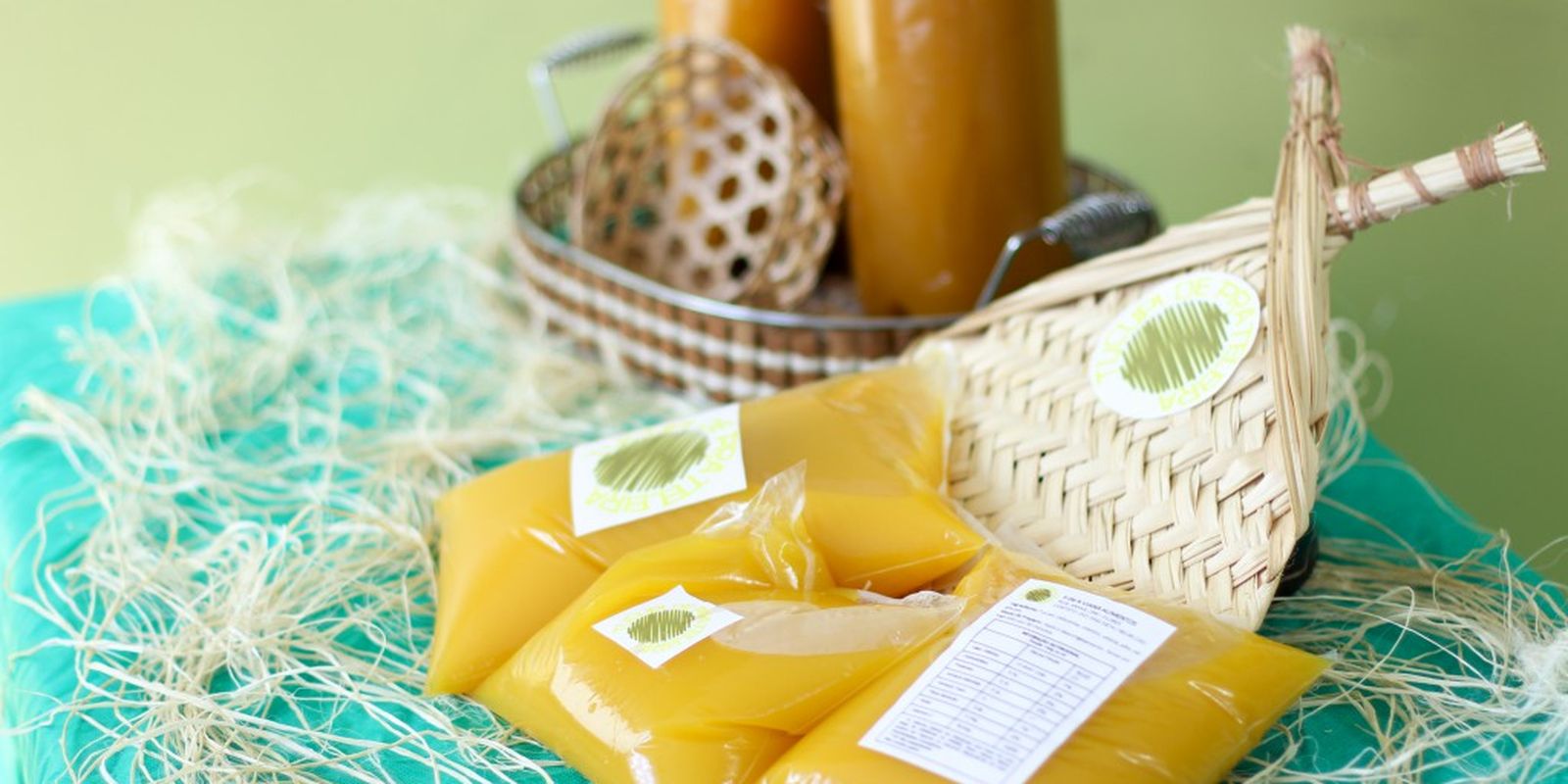
After negative repercussion, the United Nations Conference on 2025 Climate Change Conference (COP30) changed the announcement to hire companies for restaurant operation in the official spaces of the meeting, which will be held in November in Belém. Local foods such as Acai and Tucupi, which were barred in the previous text, can now be served at the event.
The change was made by the organization of the Ibero-American states (OEI), after the Federal Government’s performance, through the Minister of Tourism, Celso Sabino. In a statement, the organization reported that, after technical analysis, a errata was published to incorporate Para cuisine. Detailing the supply of food at the event will be made after the selection of suppliers.
The note also points out that the notice seeks to value, at the time of selection, collective projects such as cooperatives, associations, solidarity and local production groups, as well as historically linked groups to the production of sustainable foods and sociobiodiversity, such as indigenous peoples, quilombola communities, rural women, rural youth and other traditional peoples and communities.
The notice states that at least 30% of the total amount of purchased inputs come from family farming.
Controversy
This week, OEI published the notice to select the establishments that will work in COP30. He listed, in a table, food and drinks considered at high risk of contamination and, therefore, would be banned in the spaces of COP30 events. Among these foods were acai, tucupi, fruit juices fresh and Maniçoba.
The prohibition of typical foods of Para cuisine generated controversy and various criticisms. Chef Saulo Jennings was one of those who criticized the announcement. “It is a crime against our people, against our gastronomy, against the food that fueled our whole ancestry, we only survive because of this food,” he said in publication on social networks.
Saulo Jennings is the founder of the Casa do Saulo restaurant, which in addition to having units in Pará, also has in São Paulo and Rio de Janeiro, all focused on Para cuisine. The chef was the first to be chosen as UN Turismo gastronomic ambassador in the world. In 2023, at COP28, in Dubai, he says he cooked at the opening of the event and served Tacacá, a Paraense dish made with tucupi.
“It means that at home I can’t use our food? Is it bad? Our people have a different immunity from the rest of people around the world? Because only we survive these foods. It means that our government has no supervisory bodies?
He stressed that COP is an opportunity to strengthen gastronomic tourism in the region, generating more jobs and income. “Who comes and eats, will leave here in love,” he said.
Selection
In the published note, the COP organization clarifies that the recommendations of the announcement are exclusive to the spaces of the conference, not covering other places of the municipality of Belém or the State of Pará.
It also says that the definition of the COP30 menu is the responsibility of the United Nations Framework Convention on Climate Change (UNFCC), as well as possible orientations on food products, and meets the criteria of national and subnational health surveillance.
The menus presented may suffer adjustments to meet the criteria of the notice, such as the diversity of food and the security of the conference participants.
Next Tuesday (19), a public hearing will be held to listen to candidates for the COP30 food operation.