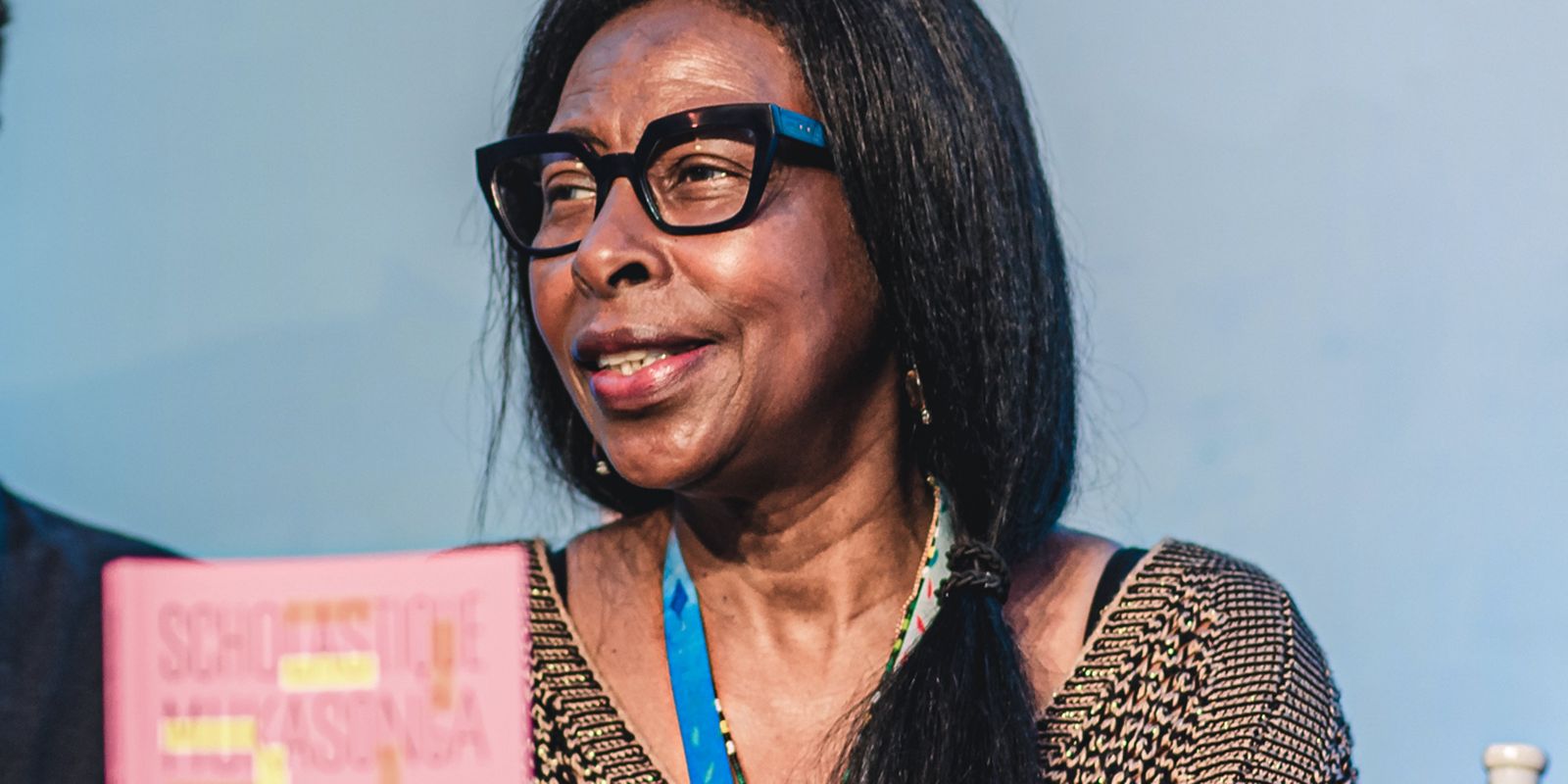
The Araxá International Literary Festival (Fliaraxá) will have its 13th edition between this Wednesday (1st) and next Sunday (5). This year, he has a honoree author Scholastique Mukasonga (photo), from Rwanda, a world reference of contemporary literature, along with the Bahian writer Itamar Vieira Junior.
In all, more than 40 authors and authors from Brazil and abroad will participate in the program, which is organized around the theme literature, crossroads and memory. Among the international names, there is also the writer Léonora Miano, from Cameroon, in tables that dialogue on ancestry, democracy, justice and contemporary challenges.
The patron of the edition is Agrippa Vasconcelos, author of Life in Flor de Dona Bejaand the honored local author is Fernando Braga de Araújo, known for the book Araxá puts the table.
Interview
The coordinator of FLIARAXÁBianca Santana, talked to the Brazil agency about the proposal of this edition:
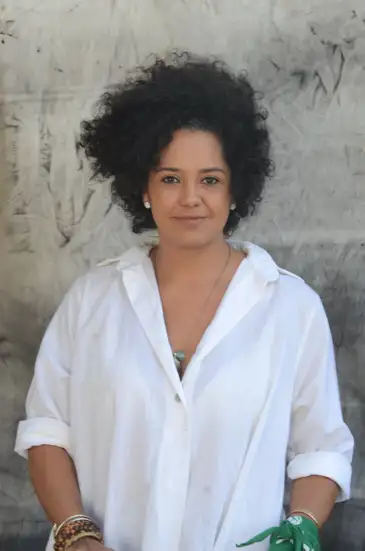
Bianca Santana will coordinate the Literary Festival in Araxá. Photo: Fernando Rabelo/Disclosure
Brazil agency: What is the concept of the theme “Literature, Crossroads and Memory” and how will it be present at the festival?
Bianca Santana: It is an invitation to reflect on the meeting between stories and authorship. The crossroads is a point of crossing paths, knowledge and possible future. Memory is what supports these paths, knowledge and future. Throughout the festival, the theme appears in literary tables that discuss important works and topics such as ancestry, democracy and justice. The presence of authors who write from different places of the world and plural experiences is also a crossroads. This theme states literature as a meeting force and reinvention.
Agência Brasil: You are a woman, author and curator of the event. How are women represented in the set of invited writers?
Bianca Santana: We have a conscious and intentional commitment to gender and race diversity. Not only are women a majority among this year’s guests, but they are also on central tables, dealing with fundamental themes such as memory, politics, ancestry and democracy. Our curator worked to ensure that women’s voices occupy the prominent place in programming, as they occupy in contemporary literature. We hope that new generations of readers and writers will be sure that literature is also ours.
Agência Brasil: Talk about the importance of honoring Scholastique Mukasonga in this edition.
Bianca Santana: Scholastique Mukasonga is one of the main voices of contemporary literature in the world. His writing weaves shrouds and builds tombs for those who were killed in genocide in Rwanda. She summons us to the depths with the literary strength of her testimony of a talented survivor and writer. To honor her is to recognize her work and bring to the center of the festival a literature that deals with trauma, exile, motherhood, violence and, above all, dignity and resistance. It is also to reinforce the Fliaraxá connection with world, African and Afro-Diabrasporic literature.
Agência Brasil: What are the highlights of the 13th Fliaraxá?
Bianca Santana: It is impossible to mention only a few names in the face of the great authors and authors who make up the programming of Fliaraxá. Each presence was thought and rethought from unique and valuable contributions. The highlight is the meeting between works, authorship, memory and literature in this great crossroads we are in.
Presence in Rio
After being honored by the 13th edition of Fliaraxá, Scholastique Mukasonga will be in Rio de Janeiro. On October 8, at 5:30 pm, she participates in a meeting with readers at the Banco do Brasil Cultural Center Library (CCBB RJ), inside the CCBB 2025 Reading Club.
The debate will have as its theme the book The barefoot womanchosen in a vote opened by the Rio CCBB Instagram. In it, the author postponed the experience of Tutsis women during fratricidal struggles in Rwanda, which culminated in the 1994 genocide. Tutsi Ethnicity Daughter, Mukasonga lived in France at the time, but lost his family in the massacre. The book is also a tribute to the memory of his mother, Stefania.