The Association for the Promotion of National Infrastructure (AFIN) expressed its concern about a series of measures taken by the Executive, indicating that “they put at risk the financial and technical sustainability of the sector and with it, the implementation of 5G and the expansion of the internet in the country”, which would affect all Peruvians.
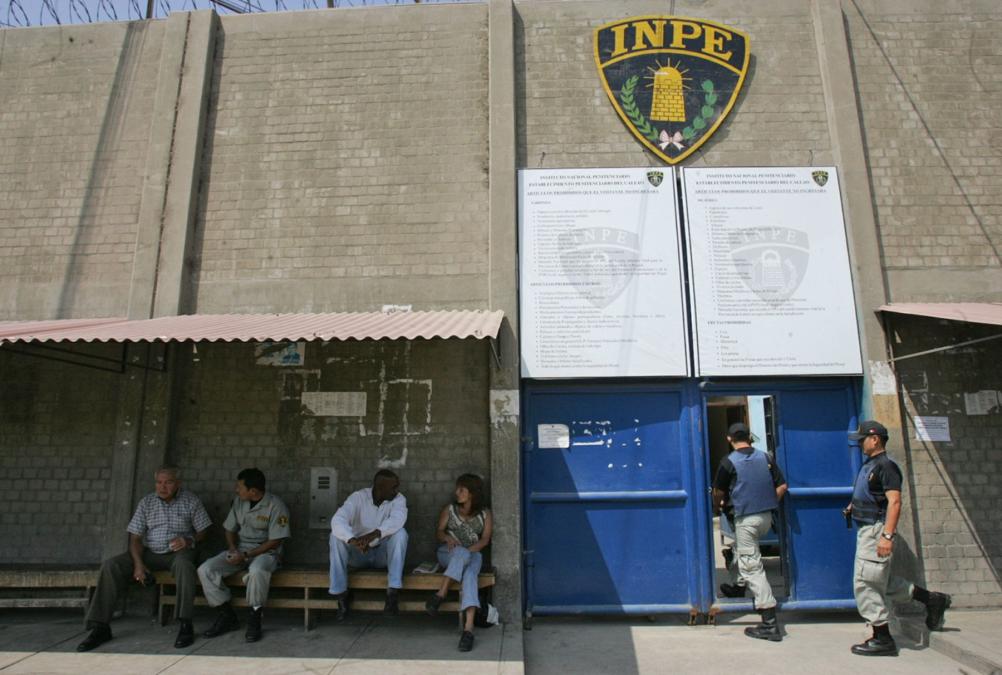
AFIN argued that the intention is to transfer obligations linked to citizen security to the private sector, such as blocking signals in penitentiary establishments, including Wi-Fi. He maintained that these powers correspond to public entities. Furthermore, said imposition of technical solutions is not efficient in attacking the problem.
They mentioned that, currently, only 40% of prisons and youth centers have locking systems, which would show a state management problem that will not be resolved with new demands and sanctions on the private sector.
Likewise, the union warned about a sanctioning hyperinflation in the telecommunications sector that has been without a real solution for years and, despite this, within the framework of the delegated powers, it is intended to require the presentation of guarantee letters as a condition for companies to resort to the Judiciary.
“What in practice prevents the effective exercise of the right of defense and places them in a delicate situation because the sanctioning pressure amounts to more than 11% of the sector’s investments by 2024,” the union stressed in a statement.
AFIN stated that this requirement, added to a system of fines that has increased five-fold in recent years, irrationally, can generate the financial non-viability of companies, without contributing to improving citizen security or closing the digital divide.
“On the contrary, these measures discourage new investments necessary to deploy telecommunications infrastructure, especially in the most remote areas of the country,” they commented.
RECOMMENDED VIDEO