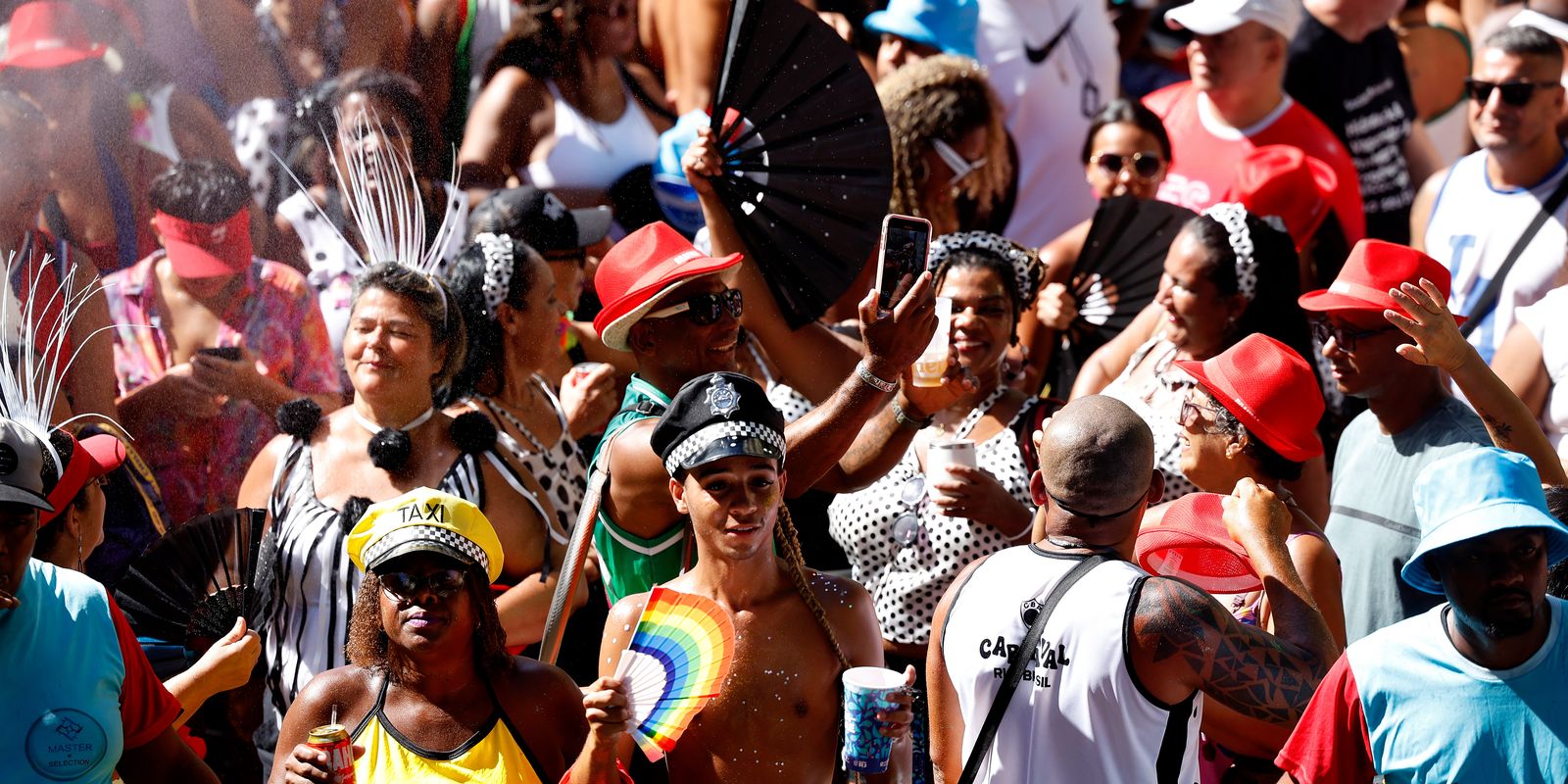
“Blackface hair” is one of the expressions coined by the website Samba Abstrato to question the use of wigs or Afro hairstyles by white people during Carnival. Like the “crazy nega” and “indigenous” costumes, which ridicule racial identities, the use of curly hair as an adornment by white partygoers is also inappropriate and racistdenounce the activists who manage the page and propose to talk about the topic at Carnival for almost ten years, through the eyes of black people.
Using comical and satirical language, the page denounces the racism that is part of the whitewashing of the Momesca festival. Among the main symptoms of this process they point out is the choice of white women as dancers even when they don’t know how to samba ─ or better yet, as an adjunct to Samba Abstrato, even if they have “samba at the end of their arms”. This choice, in some cases, is even accompanied by simulacra of curly or frizzy hair.
Blackface It is a racist practice in which white people use devices such as painting their skin black, using wigs or other accessories to caricaturely simulate the physical characteristics of black people. The term was created in the United States, where white actors used grease, charcoal and other tools to represent black people on stage, in a stereotypical and degrading way. The “blackface of hair”, therefore, it would be repeating this type of aggression, transforming curly hair into derogatory imitations.
Despite recent advances, Afro hair has been labeled “bad” or “ugly” hair for years. In an interview with Brazil Agencythe board of Samba Abstrato remembers that, for this reason, black women were humiliated and passed over, for example, from job vacancies. When carnival arrives, however, people who are not involved in the anti-racist struggle or do not value black aesthetics decide to dress up as “black women”. For Samba Abstract, the blackface with hair is a continuation of the “crazy nega” fantasy.
“Throughout the year, women advocate white aesthetics, they wear straight hair, extremely straight, considered ‘beautiful’, ‘appropriate’, representative of who they are – which is fine – but then, when carnival arrives, they want to dress up as a black woman? That’s caricatured”, reflects the board of directors of Samba Abstrato, in a collective response from its members to Brazil Agency.
“While black women are fired from their jobs, discriminated against, prevented from working, whether due to natural frizz or another style, like braids, while we fight for our real lives, others make our aesthetic [negra] fantasy. Carnival Sunday arrives, the last day, they take a shower, straighten their hair again.”
Denial of the black presence
When evaluating the whitening of Carnival through the participation of white women, removing the protagonism of passistas from the communities, Samba Abstrato denounces what the journalism professor and director of FAAC at the State University of São Paulo (Unesp), Juarez Tadeu de Paula Xavier, calls the “social and cultural annihilation” of the black population. He researches the origins of racism and the current consequences of the practice, including episodes during Carnival.
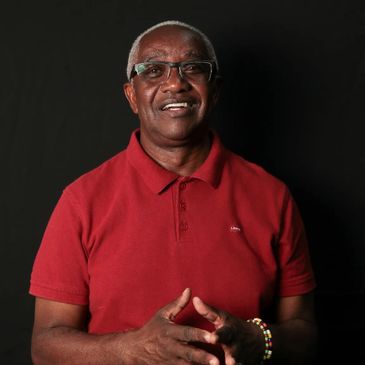
Professor Juarez Tadeu de Paula Xavier, director of FAAC/Unesp. Photo: Natália Viola/Disclosure
“There is an annihilation that is physical, data on the lethality of young black people shows this, and there is this erasure of black people from spaces of visibility”, he states.
The denial of beauty and the annihilation of black culture are part of this process, he explains. “It’s the same post-abolition proposal, to deny the black presence in the construction of this country. Black people founded the foundations of the Brazilian State in a very adverse situation”, recalls the professor.
Despite the fact that carnival, as we know it today, is aimed, in aesthetic and plastic terms, at television, as a product to be commercialized, points out Xavier, the party has black fingerprints.
According to the social communication professor, schools were built and maintained by black and brown people as a form of collective survival. He recalled that post-slavery was reflected in the “productive exclusion” of this population, which was left without access to income and work, for example.
For Xavier, reversing this process requires a broad strategy to combat racism and misogyny, of which it is part the campaign “Without Racism, Carnival Shines More”, by the Ministry of Racial Equality (MIR), launched last Monday (12), in Rio de Janeiro.
“When you have a campaign with the federal government’s brand, political action against racism is in evidence in spaces where these demonstrations can arise”, he highlights.
Carnival without racism
The ministry’s campaign intends to publish, from Saturday (17), educational material warning about practices such as racial slurs and offensive costumes, as well as symbolic violence and discrimination. The material will be distributed at the main carnival parties in the country, including municipalities that have joined the Vivent Black Youth Plan.
In the view of MIR’s Secretary of Combating Racism, Tiago Santana, carnival has already overcome stereotypical fantasies, but there are those who insist.
“There is no longer room for derogatory fantasies about black culture, Afro religions, black characters, much less black women. This is no longer possible. This is not the type of carnival culture that Brazilians want,” he said.
The ministry’s campaign, he explains, is to confront direct aggression and insults, but without ceasing to prevent black themes and aesthetics from serving as a “laughing piece”.
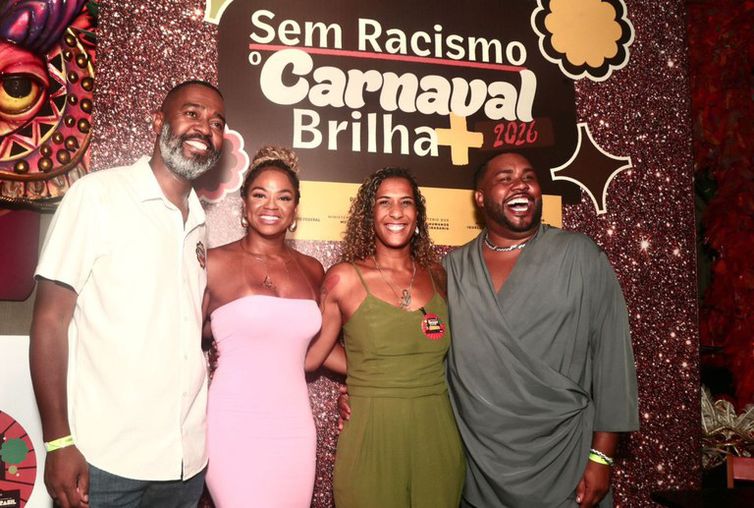
Ministry of Racial Equality launches ‘Without Racism, Carnival Shines Brighter’ campaign. Photo: Rafael Caetano/MIR
Report
With the campaign, the ministry also intends to encourage victims to register complaints through Dial 100, the Ministry of Human Rights and Citizenship (MDHC), and the Ombudsman’s Office of the Ministry of Racial Equality, via email: [email protected]. Both bodies can provide support and help report cases to official bodies.
If you are a victim, also file a police report at the nearest police station, recommends the Unesp professor. “It is necessary to classify, process, so that people are responsible for their actions”, he stressed.