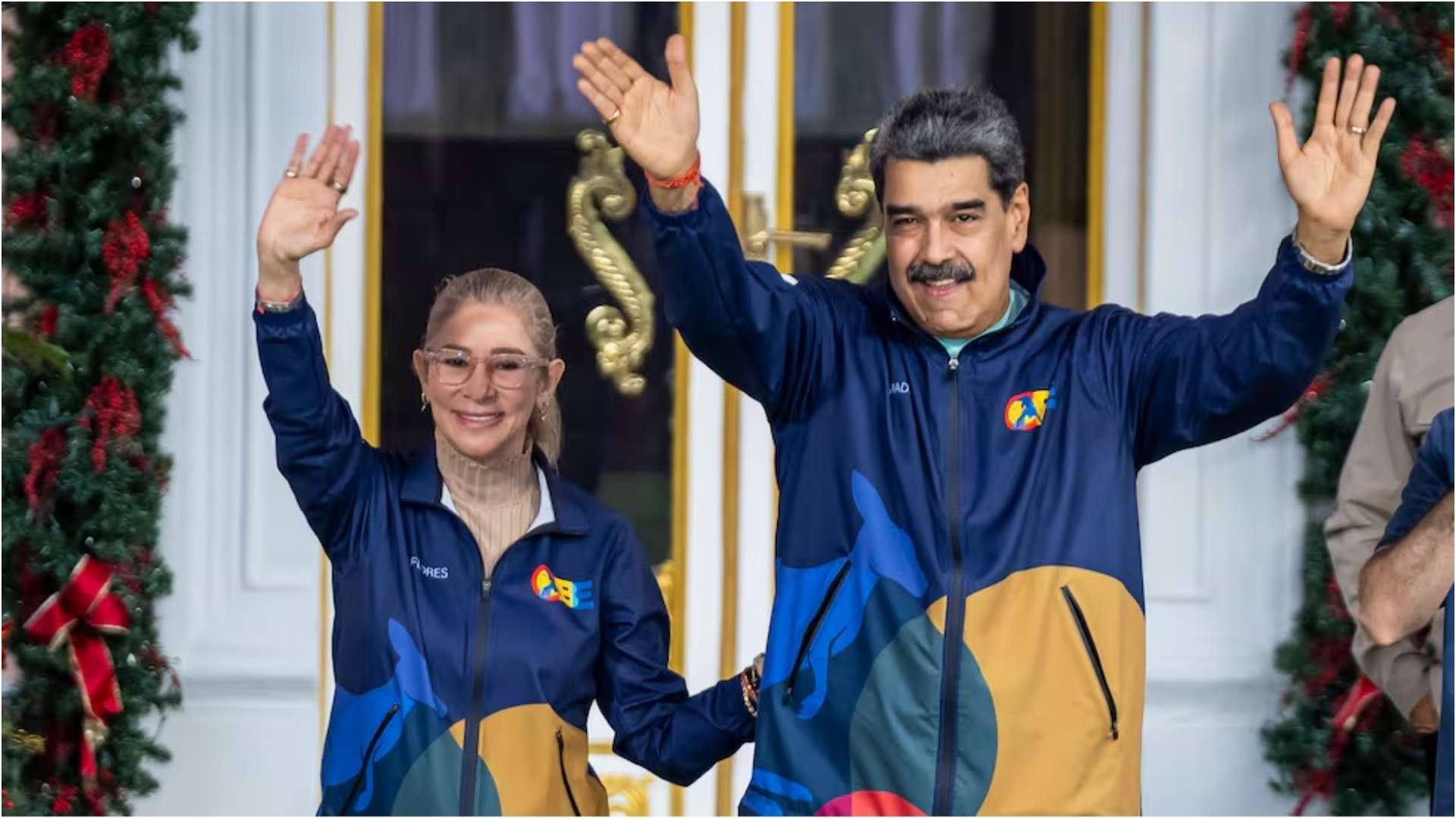
One month after the kidnapping of the constitutional president of the Bolivarian Republic of Venezuela, Nicolás Maduro, and the first combatant, deputy Cilia Flores, expressions of solidarity and demands for immediate release continue to multiply on different continents. From Africa, Asia, Europe and Latin America, social, academic, diplomatic and political organizations have joined the Global Action #BringThemBack and #LosVamosDeVuelta, articulating public activities, statements and mobilizations.
In Angola, China, Italy, Tunisia, Senegal, Malaysia and Egypt, as well as in Venezuela, simultaneous events have been held that seek to make the situation visible and denounce the military aggression carried out by the United States against the country on January 3, an event that culminated in the kidnapping of the president and his wife.
The initiatives, which include political-academic conferences, photographic exhibitions, delivery of letters, protests in front of embassies and the formation of international committees, reflect the breadth of global support and the growing pressure to respect Venezuelan sovereignty and guarantee the integrity of its legitimate authorities.
On social networks, people have also published messages alluding to the event and asking for the release of the presidential couple.
Academic solidarity in Angola
At the “Comandante Fidel Castro Ruz” Medium Health Institute (IMSCFCR), in Angola, a political-academic day was held in tribute to the centenary of the Cuban leader. In this context, Ambassador Belén T. Orsini Pic received more than 50 letters of solidarity written by students and teachers, who expressed their support for Venezuela and demanded the release of Nicolás Maduro and Cilia Flores. The activity was part of the International Campaign “Bring Them Back”, which has been widely received in educational institutions and community spaces in the African country.
Photo exhibition in Beijing
In China, the Venezuelan Diplomatic Mission in Beijing organized a photographic exhibition to denounce the kidnapping of the president and the first combatant. The exhibition was held one month after the US military aggression and was part of the #BringThemBack Global Action. The activity brought together representatives of social organizations, academics and members of the international community residing in the Chinese capital.
Mobilizations in Italy and Tunisia
In Caserta, Italy, solidarity movements, grassroots unions, political parties, intellectuals and academics gathered to demand the immediate release of Maduro and Flores. In Tunisia, the National Committee “Bring Them Back” delivered a formal communication to the United Nations High Commissioner for Human Rights, Volker Türk, requesting his intervention in the case.
Venezuela takes to the streets
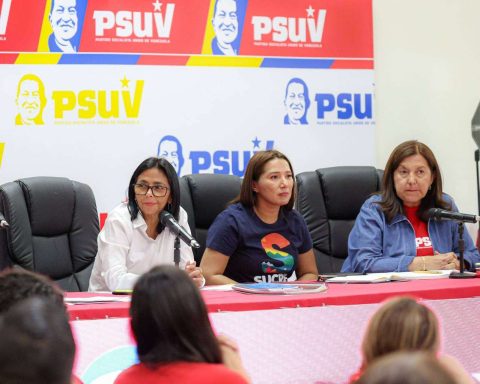
In Caracas, thousands of citizens marched this Tuesday to demand the release of the president and the first combatant. The mobilization covered several main avenues and included the participation of social organizations, youth movements and community groups.
The people also hold vigils to ask that President Maduro be released, in Maturín they gathered in the city’s Plaza Bolívar. During the night of this Monday, February 2, the people of Monaco cried out for the release of the Venezuelan head of state and his companion and deputy Cilia Flores de Maduro.
Actions in Senegal, Malaysia and Egypt
In Senegal, pan-Africanist organizations, youth movements and political parties held public events in support of Venezuela. In Malaysia, the Socialist Party and social movements protested in front of the United States Embassy in Kuala Lumpur. In Egypt, the Anti-Fascist International and social movements installed a committee of the global campaign “Bring Them Back” in the Venezuelan Embassy in Cairo.
European mobilization and Moscow chapter
Various European countries also joined the global event. In Russia, the Moscow chapter of #BringThemBack called for a mobilization in front of the Venezuelan embassy, joining the international wave of solidarity.
The international campaign continues to expand, adding voices of students, teachers, unions, political parties, pan-Africanist movements, anti-fascist organizations and migrant communities, in a coordinated effort that keeps the issue on the international agenda.