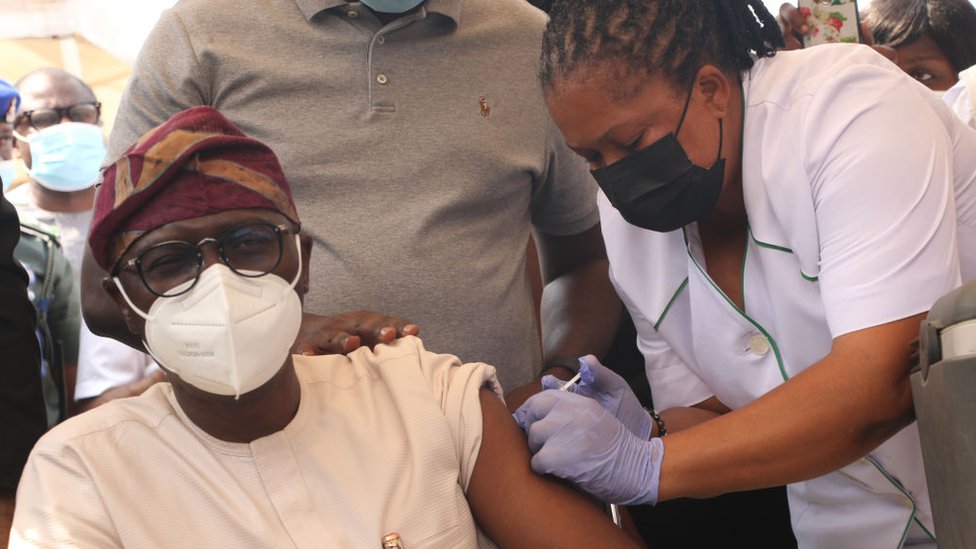
Covid: the country that has only vaccinated 3% of its population and will destroy a million doses
It is the most populous country in Africa but also one of the most lagging behind on the continent in vaccination against the coronavirus.
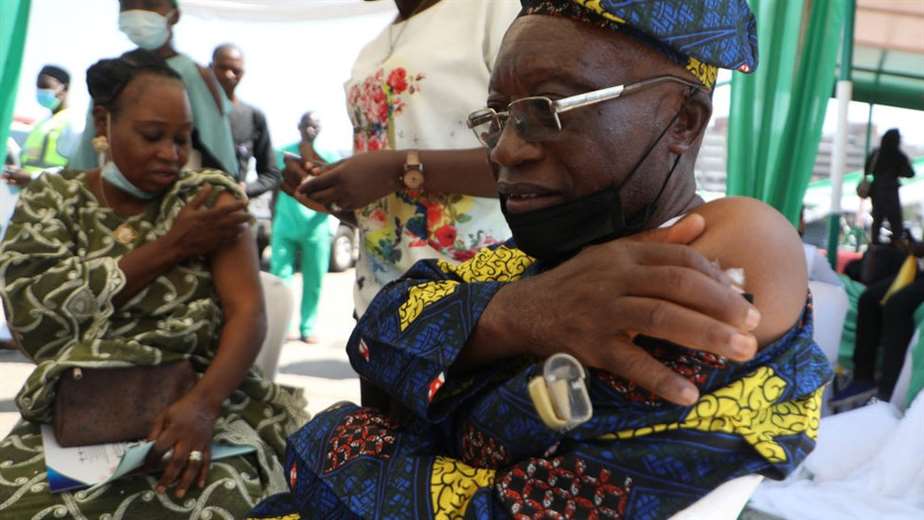
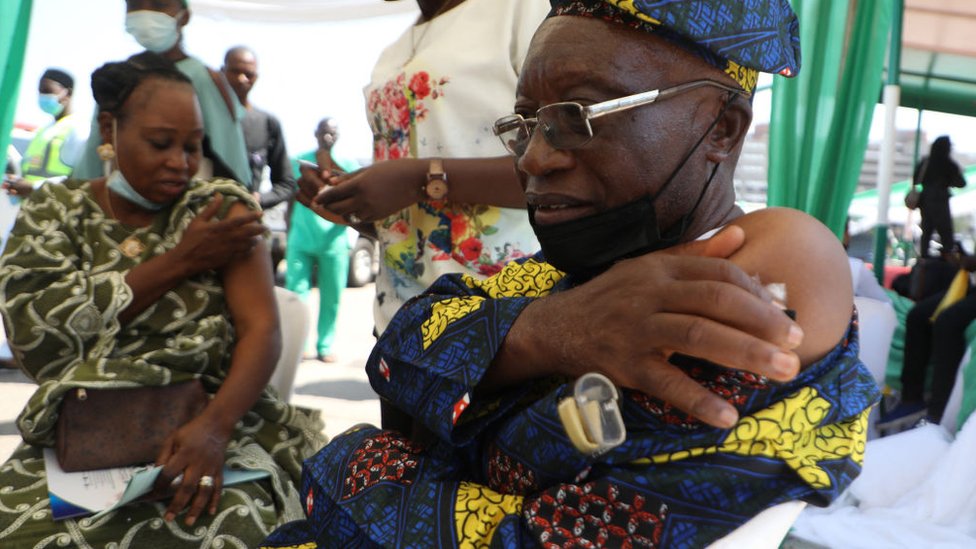
Only about 3% of the Nigerian population have received both doses of vaccines against covid-19, a very low rate, even compared to other countries in Africa.
South Africa, for example, has 24% of the population fully vaccinated.
However, Nigeria has been reported to have a large stock of expired vaccines that you have not used. And that, according to the news agency Reuters, could reach a million doses.
The Nigerian Ministry of Health says that all expired vaccines have been withdrawn and will be destroyed.
What vaccines have been shipped to Nigeria?
Nigeria, like other African countries, struggled to access COVID-19 vaccines earlier this year because manufacturers gave priority to richer nations, which had prematurely signed deals.
Many African nations also relied on the Covax scheme, which at the beginning of the year experienced difficulties meeting its vaccine supply commitments, especially across Africa.
Nigeria last month launched a mass vaccination campaign to encourage more people to get vaccinated.
But in recent weeks, delivery has improved: Richer countries began releasing the reserves they had, largely through the Covax system.
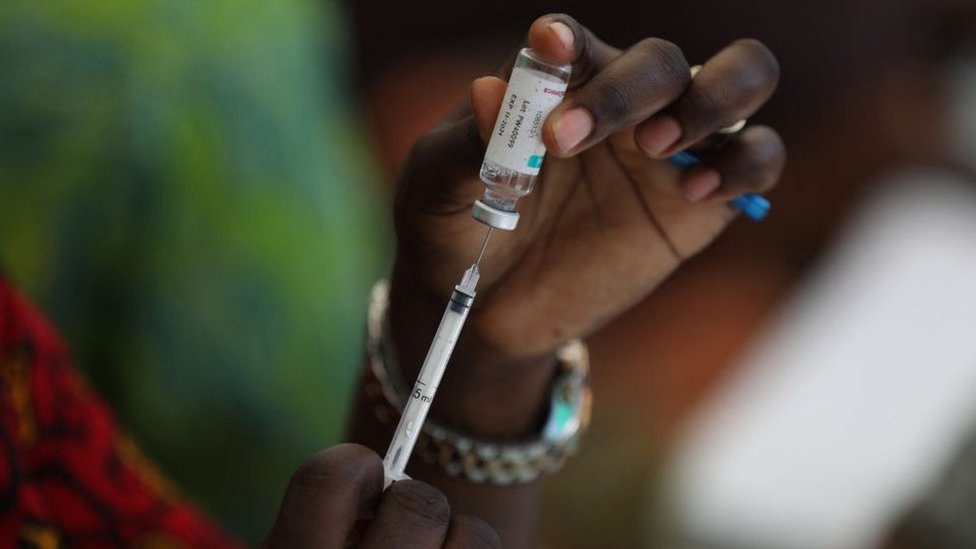
Nigeria received 700,000 doses of the AstraZeneca vaccine from the UK in August, 800,000 from Canada in September and another 500,000 from France in October.
Around the same time, Nigeria also received four million doses of Moderna and 3.6 million doses of Pfeizer from the United States.
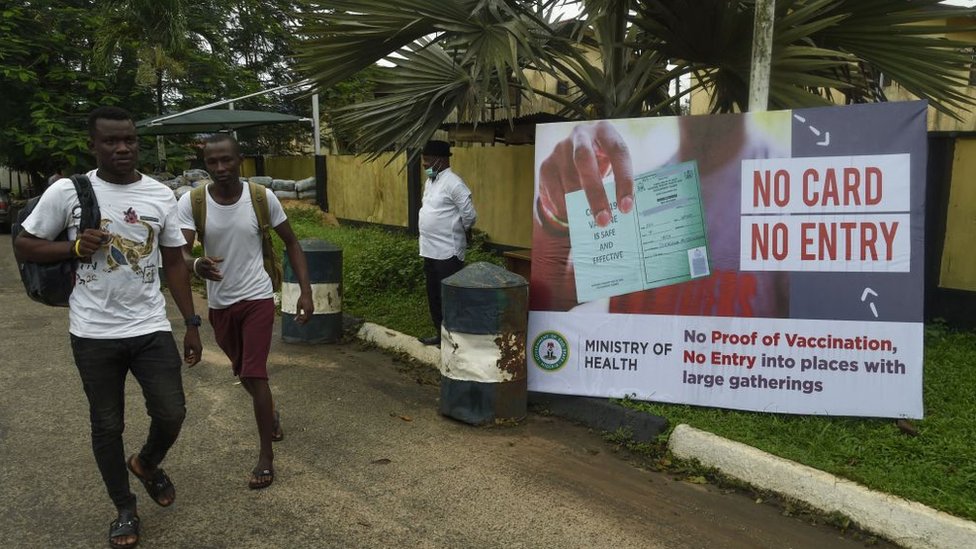
The Nigerian government requires proof of vaccination to enter some public buildings.
How long can vaccines be kept?
AstraZeneca dosages would normally be safe to store for at least six months from the time of manufacture, under proper conditions.
But the Nigerian Ministry of Health says some of the donated vaccines were delivered to it near expiration, posing serious logistical challenges.
“This left us very little time, in some cases only weeks, to use them, after time to transport, distribute and deliver them to users,” said Health Minister Osagie Ehanire.
Because vaccines can arrive one after another, bottlenecks occasionally emerged, he added.
The government now says expired vaccines will be destroyed and “politely declines all vaccine donations that have little time left before expiration or those that cannot be delivered on time.”
Have expired vaccines been a problem elsewhere?
Other African countries have also been left with expired vaccines, including Malawi and South Sudan.
For its part, the Democratic Republic of the Congo returned unused vaccines to be distributed in other countries to avoid expiration.
In July, the World Health Organization (WHO) said that some 450,000 doses had expired in eight African countries, before they could be administered due to short expiration dates.
WHO and the African Centers for Disease Control and Prevention recently called for a change in the way vaccine donations are made, to avoid waste.
“Having to plan at short notice and guarantee the consumption of doses with a short shelf life exponentially increases the logistical burden on health systems that are already overloaded,” they said in a statement.
The two organizations have requested that donated vaccines be a minimum of two and a half months old useful life for when they arrive in the beneficiary country.
And that recipient countries are aware of donations a month before they are delivered. Plus, they expect them to be shipped with additional essential supplies like syringes.
Now you can receive notifications from BBC Mundo. Download the new version of our app and activate them so you don’t miss out on our best content.
It is the most populous country in Africa but also one of the most lagging behind on the continent in vaccination against the coronavirus.
Only about 3% of the Nigerian population have received both doses of vaccines against covid-19, a very low rate, even compared to other countries in Africa.
South Africa, for example, has 24% of the population fully vaccinated.
However, Nigeria has been reported to have a large stock of expired vaccines that you have not used. And that, according to the news agency Reuters, could reach a million doses.
The Nigerian Ministry of Health says that all expired vaccines have been withdrawn and will be destroyed.
What vaccines have been shipped to Nigeria?
Nigeria, like other African countries, struggled to access COVID-19 vaccines earlier this year because manufacturers gave priority to richer nations, which had prematurely signed deals.
Many African nations also relied on the Covax scheme, which at the beginning of the year experienced difficulties meeting its vaccine supply commitments, especially across Africa.
Nigeria last month launched a mass vaccination campaign to encourage more people to get vaccinated.
But in recent weeks, delivery has improved: Richer countries began releasing the reserves they had, largely through the Covax system.
Nigeria received 700,000 doses of the AstraZeneca vaccine from the UK in August, 800,000 from Canada in September and another 500,000 from France in October.
Around the same time, Nigeria also received four million doses of Moderna and 3.6 million doses of Pfeizer from the United States.
The Nigerian government requires proof of vaccination to enter some public buildings.
How long can vaccines be kept?
AstraZeneca dosages would normally be safe to store for at least six months from the time of manufacture, under proper conditions.
But the Nigerian Ministry of Health says some of the donated vaccines were delivered to it near expiration, posing serious logistical challenges.
“This left us very little time, in some cases only weeks, to use them, after time to transport, distribute and deliver them to users,” said Health Minister Osagie Ehanire.
Because vaccines can arrive one after another, bottlenecks occasionally emerged, he added.
The government now says expired vaccines will be destroyed and “politely declines all vaccine donations that have little time left before expiration or those that cannot be delivered on time.”
Have expired vaccines been a problem elsewhere?
Other African countries have also been left with expired vaccines, including Malawi and South Sudan.
For its part, the Democratic Republic of the Congo returned unused vaccines to be distributed in other countries to avoid expiration.
In July, the World Health Organization (WHO) said that some 450,000 doses had expired in eight African countries, before they could be administered due to short expiration dates.
WHO and the African Centers for Disease Control and Prevention recently called for a change in the way vaccine donations are made, to avoid waste.
“Having to plan at short notice and guarantee the consumption of doses with a short shelf life exponentially increases the logistical burden on health systems that are already overloaded,” they said in a statement.
The two organizations have requested that donated vaccines be a minimum of two and a half months old useful life for when they arrive in the beneficiary country.
And that recipient countries are aware of donations a month before they are delivered. Plus, they expect them to be shipped with additional essential supplies like syringes.
Now you can receive notifications from BBC Mundo. Download the new version of our app and activate them so you don’t miss out on our best content.
The Dominican Government is holding talks with investment banks to acquire financial insurance that will mitigate the impact on the public finances of possible increases in crude oil, given the recent increase
Caixa Econômica Federal announced this Tuesday (3) the resumption of financing for the purchase of residential properties above R$2.25 million with resources from the savings account. The modality, framed in the Real
On February 11, a federal jury convicted Earl Richard Clouser, 55, of Burnham, Pennsylvania, for attempting to produce child sexual abuse material with a 15-year-old teenager in Cuba. According to the United
Havana/On the corner of 23rd and L, where for decades Havana waited in line to enjoy a five-scoop salad, this Tuesday the only possible taste was the bitter aftertaste of frustration. The
“PDVSA has signed supply contracts with companies marketing oil and derivatives destined for the United States market,” the state-run company reported without identifying the companies or offering more details of the contracts.