Protests in Ecuador: the images of the violent clashes in the indigenous demonstration in Quito
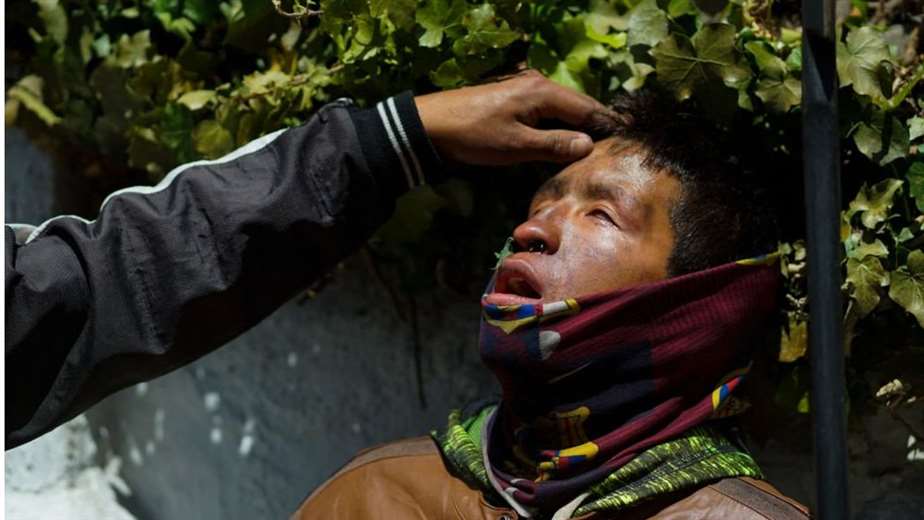
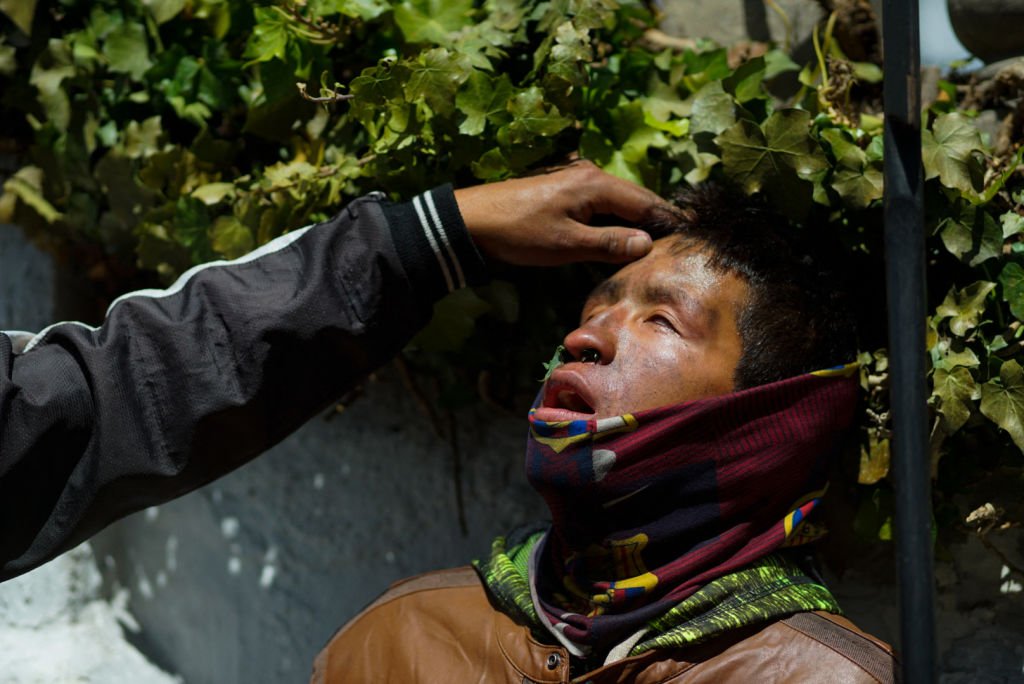
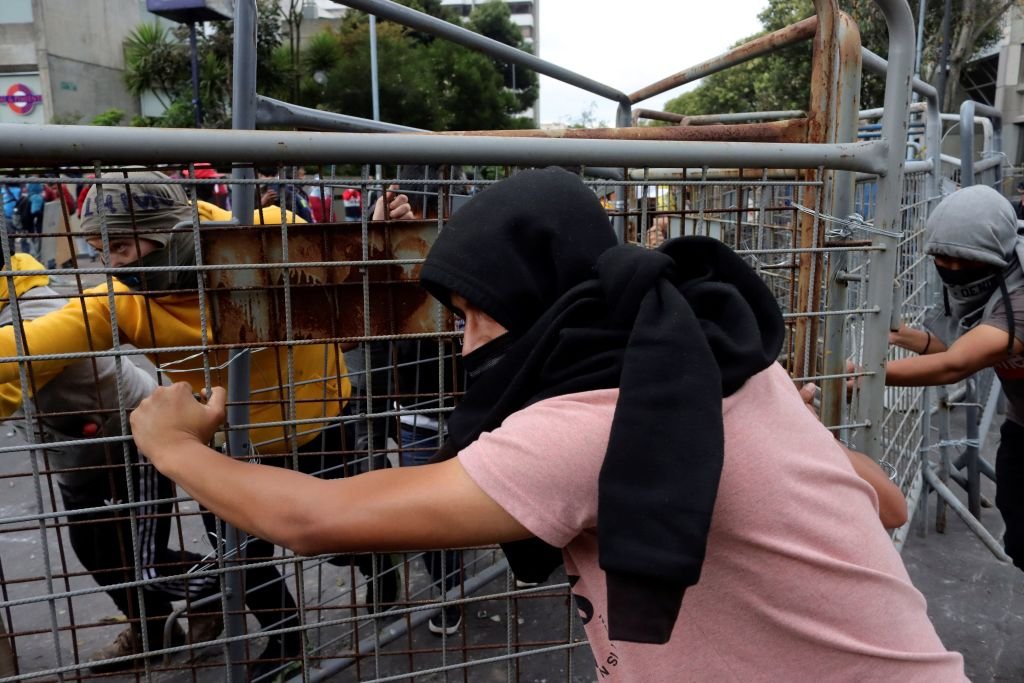
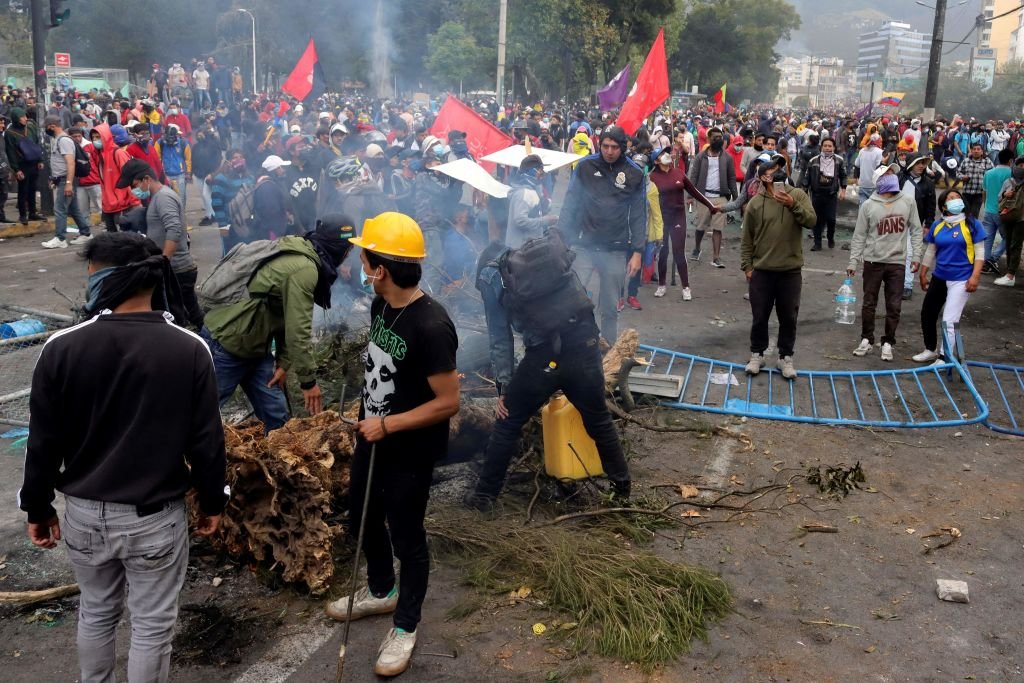
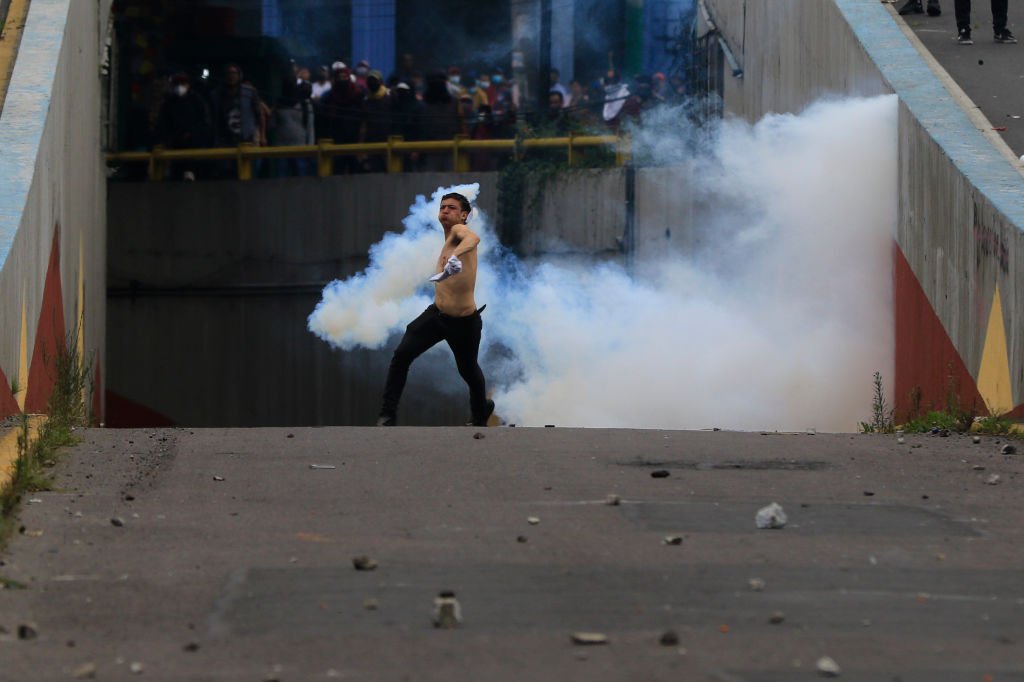
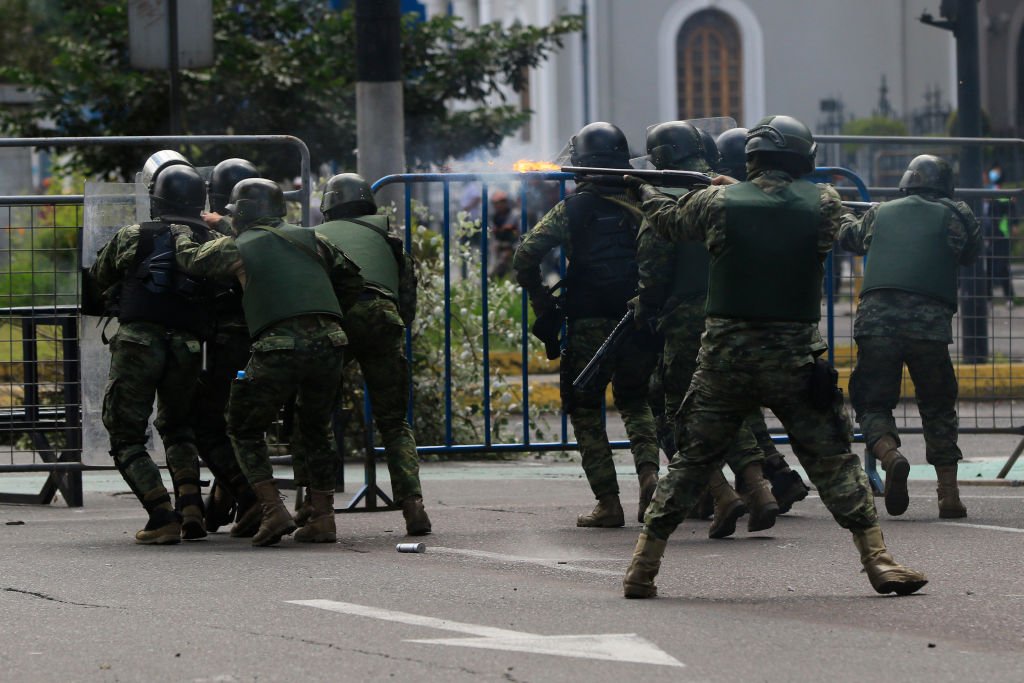
The ninth day of protests in Ecuador was marked by clashes between security forces and demonstrators, who continue to demand economic, social and political reforms from the government of President Guillermo Lasso in the context of an economy hit by inflation and unemployment.
Tuesday’s session focused on Quitothe capital of the country, where thousands of people belonging to indigenous communities, as well as workers and students, arrived within the framework of a second state of emergency decreed by the president on Monday.
One of the most significant clashes occurred on the campus of the Central University of Ecuadorvarious media reported.
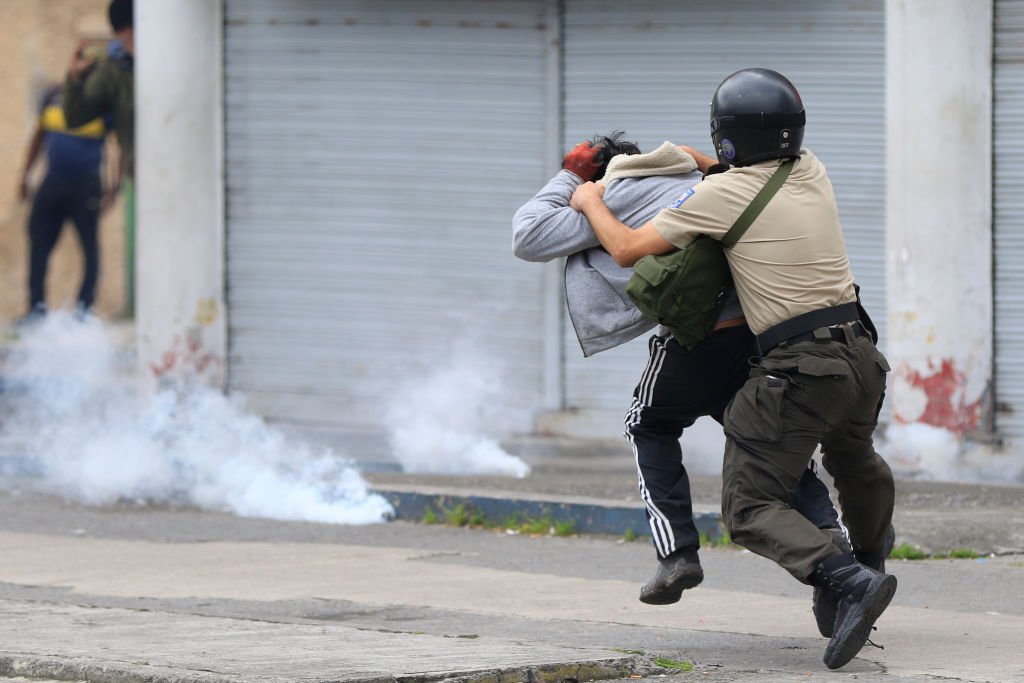
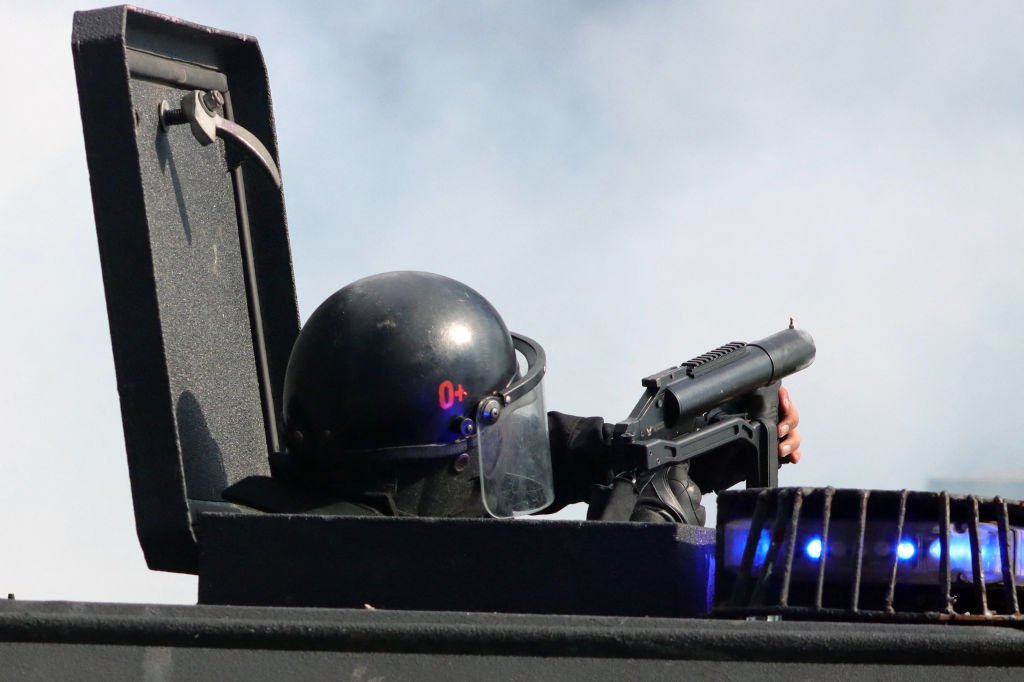
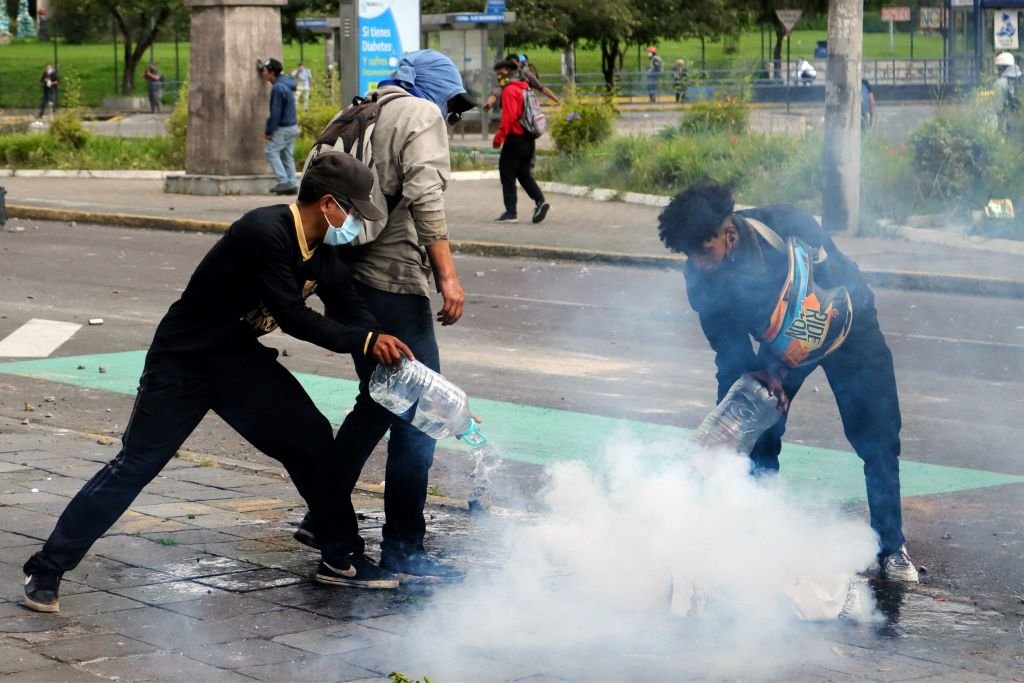
As the Ecuadorian authorities tried to disperse the masses with tear gas and projectiles, the protesters responded by throwing sticks.
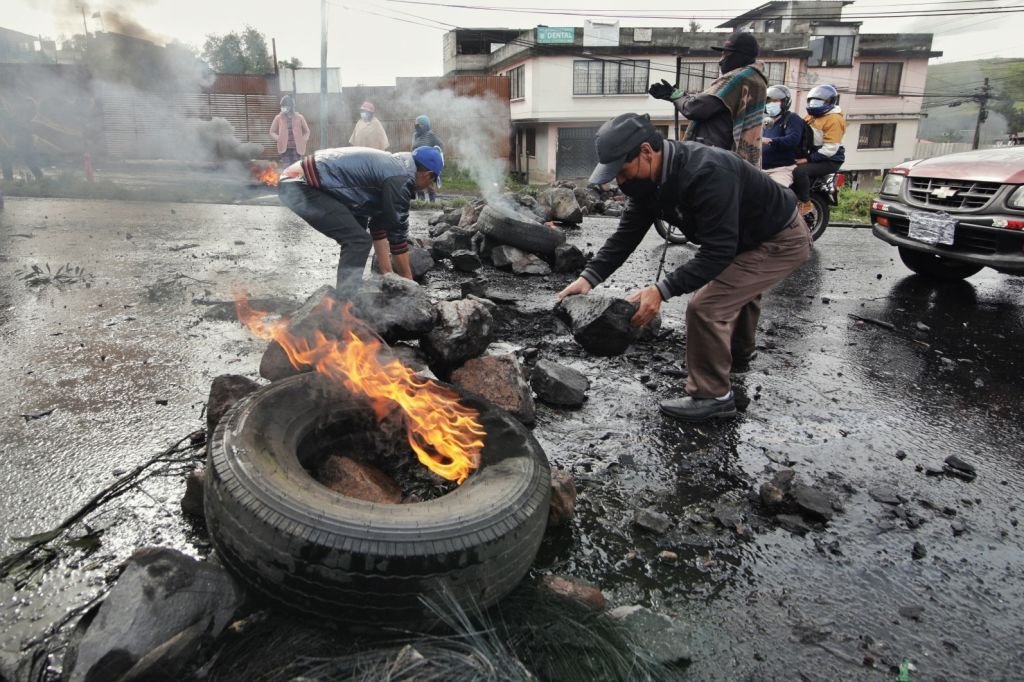
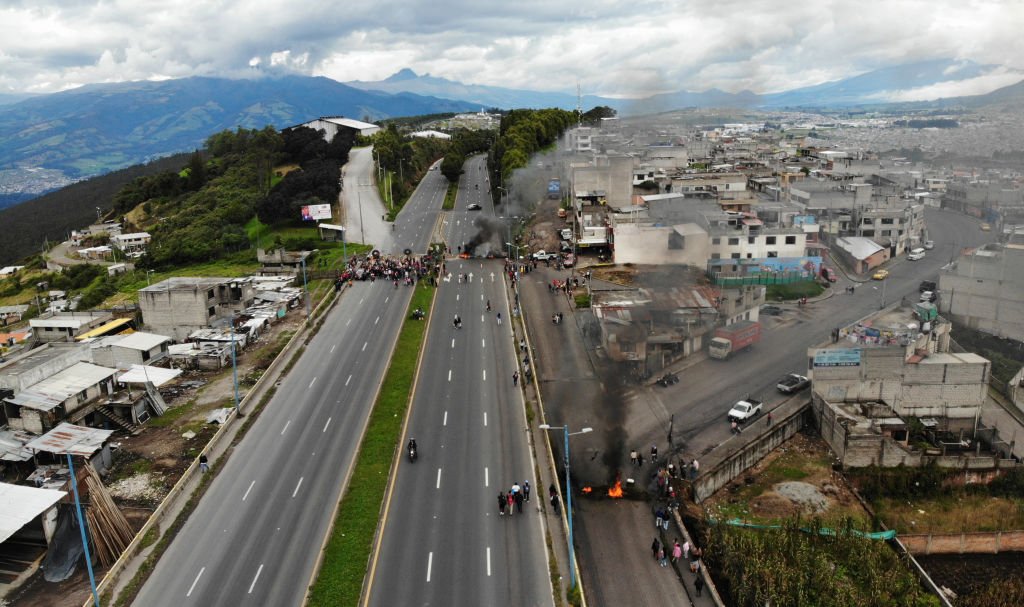
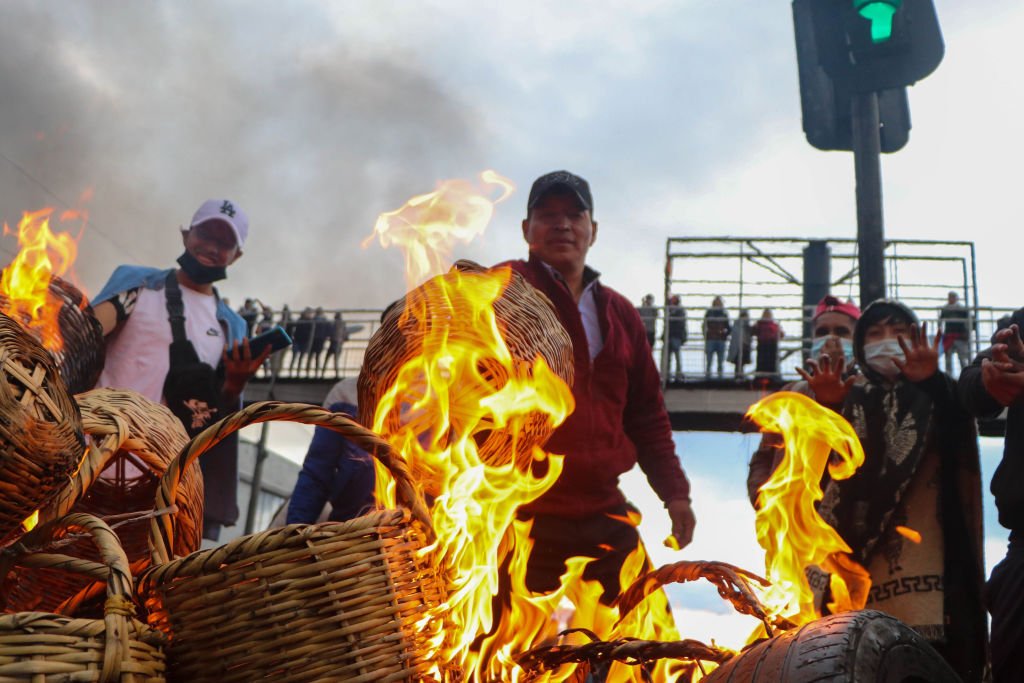
Although attention was focused on the capital on Tuesday, demonstrations have been reported in most of Ecuador’s provinces. During the nine days of indefinite strike, important roads and public buildings have been blocked.
There are six provinces under the Lasso state of emergency, including Pichincha, where Quito is located.
In accordance with Leonidas Isa, leader of CONAIE, an organization that brings together the native peoples of the South American country, 100 people were injured. Two others have died.
The army and the police, for their part, reported 80 arrests and 100 wounded members of the security forces.
President Lasso agreed on Tuesday to meet with the indigenous communities to meet their demands, which include lowering fuel prices, extending deadlines to pay their debts, respecting their territories and increasing government spending on key agencies.
CONAIE has said it will not speak to the president until he lifts the state of emergency and withdraws security forces from places where they plan to protest.
In this note you can find more details about the strike.
Remember that you can receive notifications from BBC World. Download the new version of our app and activate it so you don’t miss out on our best content.
The ninth day of protests in Ecuador was marked by clashes between security forces and demonstrators, who continue to demand economic, social and political reforms from the government of President Guillermo Lasso in the context of an economy hit by inflation and unemployment.
Tuesday’s session focused on Quitothe capital of the country, where thousands of people belonging to indigenous communities, as well as workers and students, arrived within the framework of a second state of emergency decreed by the president on Monday.
One of the most significant clashes occurred on the campus of the Central University of Ecuadorvarious media reported.
As the Ecuadorian authorities tried to disperse the masses with tear gas and projectiles, the protesters responded by throwing sticks.
Although attention was focused on the capital on Tuesday, demonstrations have been reported in most of Ecuador’s provinces. During the nine days of indefinite strike, important roads and public buildings have been blocked.
There are six provinces under the Lasso state of emergency, including Pichincha, where Quito is located.
In accordance with Leonidas Isa, leader of CONAIE, an organization that brings together the native peoples of the South American country, 100 people were injured. Two others have died.
The army and the police, for their part, reported 80 arrests and 100 wounded members of the security forces.
President Lasso agreed on Tuesday to meet with the indigenous communities to meet their demands, which include lowering fuel prices, extending deadlines to pay their debts, respecting their territories and increasing government spending on key agencies.
CONAIE has said it will not speak to the president until he lifts the state of emergency and withdraws security forces from places where they plan to protest.
In this note you can find more details about the strike.
Remember that you can receive notifications from BBC World. Download the new version of our app and activate it so you don’t miss out on our best content.
The Dominican Government is holding talks with investment banks to acquire financial insurance that will mitigate the impact on the public finances of possible increases in crude oil, given the recent increase
Caixa Econômica Federal announced this Tuesday (3) the resumption of financing for the purchase of residential properties above R$2.25 million with resources from the savings account. The modality, framed in the Real
On February 11, a federal jury convicted Earl Richard Clouser, 55, of Burnham, Pennsylvania, for attempting to produce child sexual abuse material with a 15-year-old teenager in Cuba. According to the United
Havana/On the corner of 23rd and L, where for decades Havana waited in line to enjoy a five-scoop salad, this Tuesday the only possible taste was the bitter aftertaste of frustration. The
“PDVSA has signed supply contracts with companies marketing oil and derivatives destined for the United States market,” the state-run company reported without identifying the companies or offering more details of the contracts.