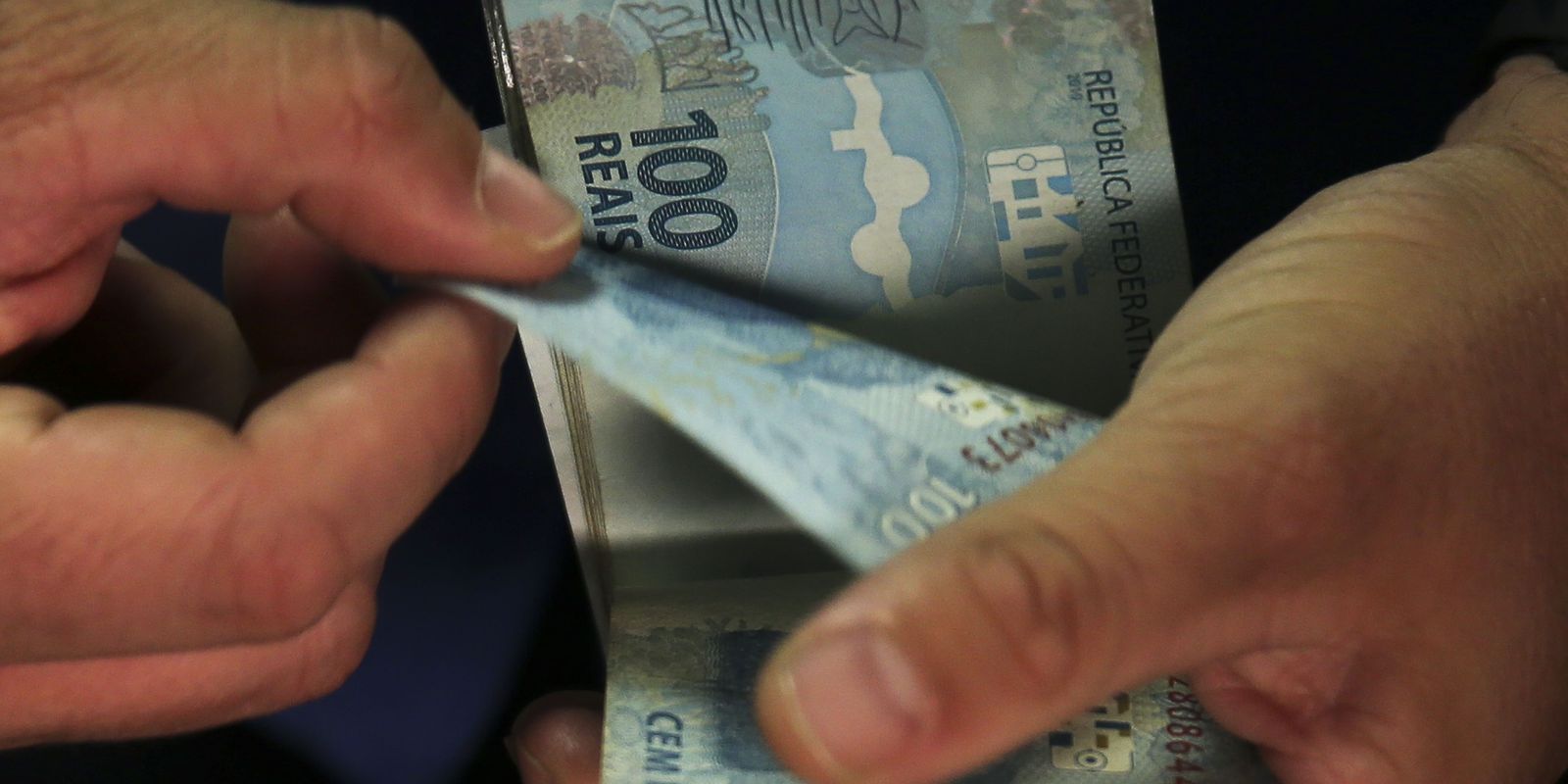
The increase in the Selic rate (basic interest rates in the economy), decided today (15) by the Central Bank, will continue to make credit and installments more expensive, according to the National Association of Finance, Administration and Accounting Executives (Anefac). Although the impact at the end is diluted, due to the very large difference between the basic rate and the effective interest rate of longer term, the borrower of new loans will feel the effects of the monetary tightening.
According to Anefac, the average interest rate for individuals will rise from 117.23% to 118.21% per year. For legal entities, the average rate will go from 56.57% to 57.29% per year. The Selic increased from 12.75% to 13.25% per year.
When financing a refrigerator for R$ 1,500 in 12 installments, the buyer will pay R$ 0.38 more per installment and R$ 4.62 more in the final value with the new Selic rate. The customer who enters the overdraft in R$ 1 thousand for 20 days will pay R$ 0.27 more.
When using R$ 3 thousand of the credit card revolving card for 30 days, the customer will spend R$ 1.20 more. A personal loan of BRL 5,000 for 12 months will charge BRL 1.24 more per installment and BRL 14.82 more after the last installment is paid.
A loan of R$ 3 thousand in 12 months in a finance company will be R$ 0.81 more expensive per installment and R$ 9.70 more expensive in total. When financing a car worth R$ 40,000 for 60 months, the buyer will pay R$ 11.16 more per installment and R$ 669.47 more in the total operation.
With regard to legal entities, companies will pay BRL 62.18 more for a working capital loan of BRL 50,000 for 90 days, BRL 24.93 for a discount of BRL 20,000 in trade notes for 90 days and R$ 2.67 more for using an overdraft account worth R$ 10 thousand for 20 days.
Savings
Anefac also produced a simulation on the impact of the new Selic rate on savings income. With a rate of 13.25% per year, the passbook only yields more than investment funds when the application term is short and the administration fee charged by the funds is high.
According to the simulations, savings yield more than funds in two scenarios. The first is for applications of up to six months in relation to funds with a rate of 2.5% per year. The second is for investments of up to two years in relation to funds with a management fee of 3% per year.
The advantage of the funds occurs even with the collection of Income Tax and administration fee. This is because savings, despite being tax-exempt, yields only 6.17% per year (0.5% per month) plus the Reference Rate (TR), which increases when the Selic rate rises. This savings income is applied when the Selic rate is above 8.5% per year, which has been happening since December 2021.