In short
- The Cuban-American National Chamber of Commerce (CANCC) held its fourth meeting in Miami, at a home overlooking Biscayne Bay, to draft plans for Cuba after the fall of its government.
- CANCC president Juan Omar Sixto, a real estate developer in his early 80s, said the objective is “to be in Cuba once the regime falls” and that members would “not put a foot into Cuba” while the current government remained in place.
- The CANCC has drafted a proposal for a Cuban Stock Exchange and formed committees on subjects including energy infrastructure and food security.
- Cuba’s leadership announced 176 economic liberalisation measures in response to Washington’s “maximum pressure” campaign; President Miguel Díaz-Canel said they were meant “to advance the defence of socialism”.
- Mike Bustamante, associate professor of history at the University of Miami, said expectations that a “day after” was coming soon “have been kicked down the road”.
A Cuban-American business group met in Miami to draft plans for Cuba after the fall of its government. The fourth meeting of the Cuban-American National Chamber of Commerce (CANCC) took place at a home overlooking Biscayne Bay, and its president, Juan Omar Sixto, said the objective was to be in Cuba once the regime falls.
Sixto, a real estate developer in his early 80s who left Cuba as a teenager, said the organisation is drafting plans for what he calls “the day after”. “The intention of this evening is to gather under one roof the most prominent Cuban-American entrepreneurs in Miami-Dade County,” he said.
What is the Cuban-American National Chamber of Commerce planning?
CANCC members have drafted a proposal for a Cuban Stock Exchange and set up committees on subjects from energy infrastructure to food security. Guests included people with well-known Cuban-American surnames such as Bacardi and Babun.
Why do Cuban exiles in Miami want change in Cuba?
This exile community has opposed Cuba’s Communist-run government since Fidel Castro expropriated its families’ lands and nationalised their companies after taking power in 1959. Cuban Americans have since used political and economic weight in Florida to shape US policy towards the island.
What role does the US administration play?
Sixto says the difference now is the Trump administration’s push to force total change on the island, and that his organisation has the ear of high-profile contacts, including people close to US Secretary of State Marco Rubio. The State Department has separately obligated $176.9m of a rights fund to 43 awards. Sixto said members would “go and do business in Cuba right away”, alongside humanitarian aid and medical supplies.
What has Cuba’s government done?
Cuba’s leadership announced 176 economic liberalisation measures in response to Washington’s “maximum pressure” campaign. President Miguel Díaz-Canel said they were “to advance the defence of socialism, to support and widen social justice”. The measures lift the cap on workers in a private business, allow the direct hiring and firing of Cuban employees and permit ownership of multiple enterprises at once, including by Cuban Americans. CANCC attendees dismissed the reforms as cosmetic, and Sixto said members would “not put a foot into Cuba” while the current government remained in place. The Cuban government has not commented on the CANCC.
How likely is change in Cuba?
Mike Bustamante, associate professor of history at the University of Miami, said expectations created by the US administration that a “day after” was coming soon “have been kicked down the road”. With US mid-term elections in November approaching and the Trump administration involved in the Iran war, he argued there was little appetite for further foreign adventures beyond “this drip-drip-drip of sanctions”. Cuba’s oil supply has been effectively shut off since January, which Bustamante said had not yet “created the ingredients for a political inflection point”.
The debate over US pressure in the region extends beyond Cuba: in Texas, a Venezuelan man shot by an ICE agent was charged with assault.
What do Cuban-American investors see in the island’s potential?
Hugo Orizondo, a Cuban-American agricultural expert, said a road map for Cuban development made practical sense. “Right now, Cuba is like a black hole, we don’t know what is happening over there,” he said. “But we do know the potential [for investment].” Investors bring money and technology, he said, both needed if Cuba is to feed its own population and reduce its reliance on food imports.
Frequently asked questions
What is the Cuban-American National Chamber of Commerce?
It is a Cuban-American business group whose fourth meeting was held in Miami at a home overlooking Biscayne Bay. Its members have drafted a proposal for a Cuban Stock Exchange and formed committees on energy infrastructure and food security.
What did Juan Omar Sixto say about Cuba?
The CANCC president said the objective was “to be in Cuba once the regime falls”, and that members would “not put a foot into Cuba” while the current government remained in place.
What are Cuba’s 176 economic liberalisation measures?
Announced in response to Washington’s “maximum pressure” campaign, they lift the cap on workers in a private business, allow the direct hiring and firing of Cuban employees and permit ownership of multiple enterprises at once, including by Cuban Americans. President Miguel Díaz-Canel said they were meant to advance “the defence of socialism”.
Why do analysts doubt that change in Cuba is imminent?
Mike Bustamante, associate professor of history at the University of Miami, said expectations that a “day after” was coming soon “have been kicked down the road”, citing US mid-term elections in November and the Iran war.
With reporting from BBC News.
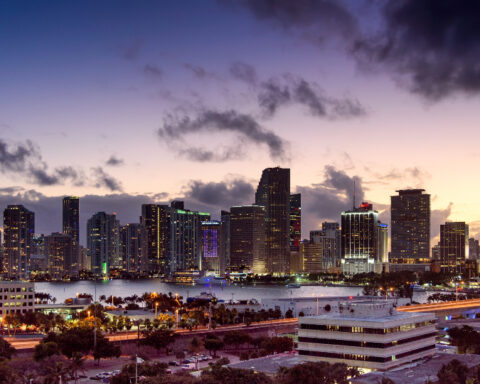
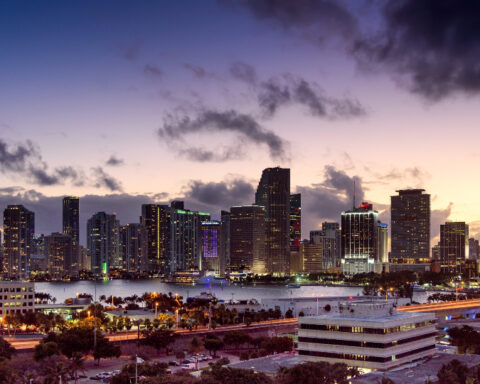
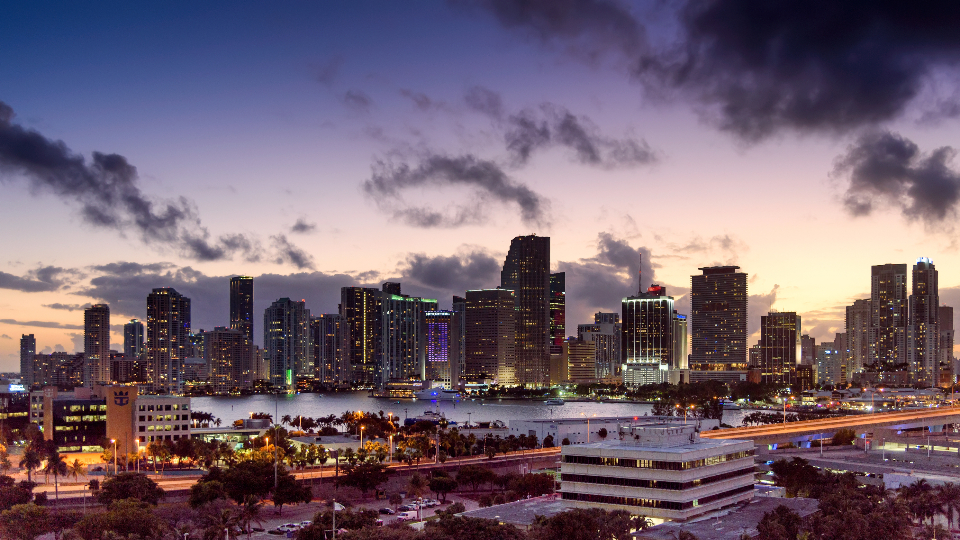
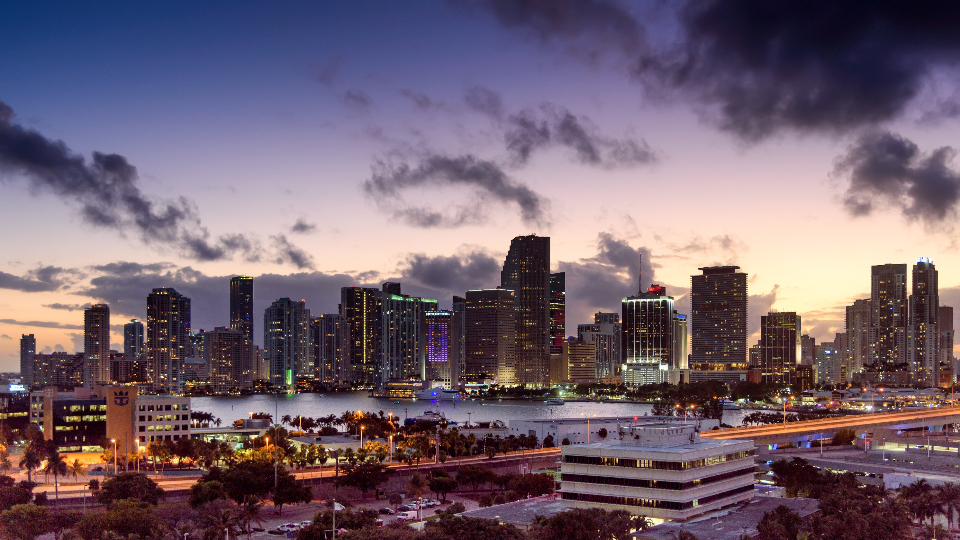
Stock image, not from the events described. City Skyline — Joe deSousa / Wikimedia Commons (CC0 1.0)