In short
- Hurricane Polo is a category 3 storm with maximum sustained winds near 115 mph (185 km/h).
- The US National Hurricane Center expects the eye of Polo to make landfall over Baja California Sur on Monday evening and to move inland into southern Sonora on Tuesday morning.
- Laura Velázquez, national coordinator of Mexico’s Civil Protection Agency, said travel would be halted in the landfall area and ports would be closed.
- Governor Víctor Manuel Castro Cosío said temporary shelters had been opened in Baja California Sur, where the regional government ordered schools to stay closed on Monday.
- Federal authorities deployed thousands of navy and army personnel along with specialised machinery.
Hurricane Polo is lashing Mexico’s northern Pacific coast with maximum sustained winds near 115 mph (185 km/h) as a category 3 storm, and the US National Hurricane Center expects the eye to make landfall over Baja California Sur on Monday evening before moving inland into southern Sonora on Tuesday morning.
The National Hurricane Center said life-threatening winds and flash floods had begun to hit portions of the region, and warned that “conditions will deteriorate quickly”, urging residents to seek safe shelter. Polo has already been downgraded once to category 4 off Mexico’s coast and is now a category 3 storm moving slowly towards the coastline.
Where is Hurricane Polo expected to hit?
Baja California Sur is a region popular with tourists and home to the resort destination of Los Cabos. In Cabo San Lucas, known for its natural rock arch, authorities restricted access to beaches and some restaurants closed; the town is a base for sport fishers and whale watchers. Residents boarded up homes and businesses and stocked up on drinking water and food as the storm approached.
What measures have Mexican authorities taken?
Laura Velázquez, national coordinator of Mexico’s Civil Protection Agency, said travel would be halted in the area where the hurricane is expected to make landfall and ports would be closed. The regional government of Baja California Sur ordered schools to remain closed on Monday as a preventive measure, and Governor Víctor Manuel Castro Cosío said temporary shelters had been opened should residents need to be evacuated. Federal authorities also deployed thousands of members of the navy and the army along with specialised machinery.
What does the forecast warn about?
The National Hurricane Center warned of an intense storm surge that could be accompanied by large and destructive waves. Forecasters said heavy rains could lead to life-threatening flooding and mudslides, especially in areas of steep terrain, and that dangerous surf and rip currents are likely along parts of Mexico’s northwestern coast and Baja California for the next day or so.
What happens after Polo dissipates?
Even after Polo dissipates, its remnants could produce strong gusty winds in southern New Mexico and western Texas, according to the hurricane centre.
Why is Hurricane Polo so strong?
Meteorologists said Polo was being fuelled by extremely warm waters caused by the El Niño climate phenomenon, which has led to a more active hurricane season in Pacific waters.
Frequently asked questions
Where is Hurricane Polo expected to make landfall?
The US National Hurricane Center expects the eye of Hurricane Polo to make landfall over Baja California Sur on Monday evening, then move inland into southern Sonora on Tuesday morning.
How strong is Hurricane Polo?
Polo is a category 3 hurricane with maximum sustained winds near 115 mph (185 km/h), and it is moving slowly towards Mexico’s Pacific coastline.
Which areas could be affected after Polo weakens?
The hurricane centre said that even after Polo dissipates, its remnants could produce strong gusty winds in southern New Mexico and western Texas.
Why is Hurricane Polo so intense?
Meteorologists said Polo was being fuelled by extremely warm waters caused by the El Niño climate phenomenon, which has led to a more active hurricane season in Pacific waters.
With reporting from BBC News.
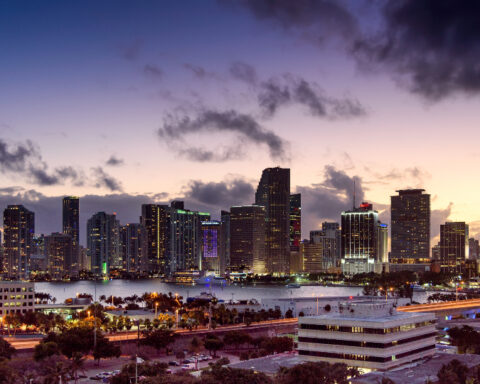
Stock image, not from the events described. City Skyline — Joe deSousa / Wikimedia Commons (CC0 1.0)