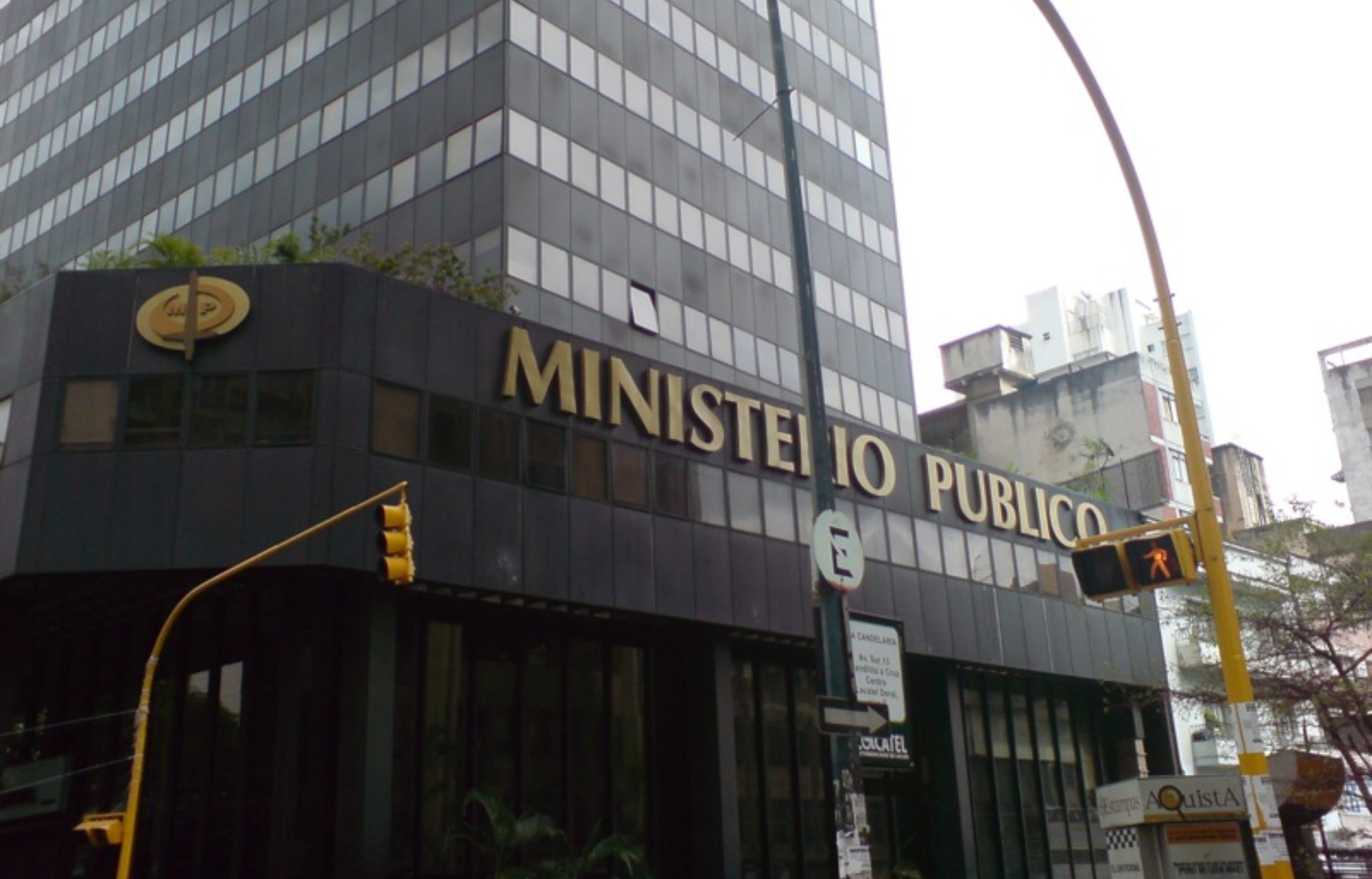
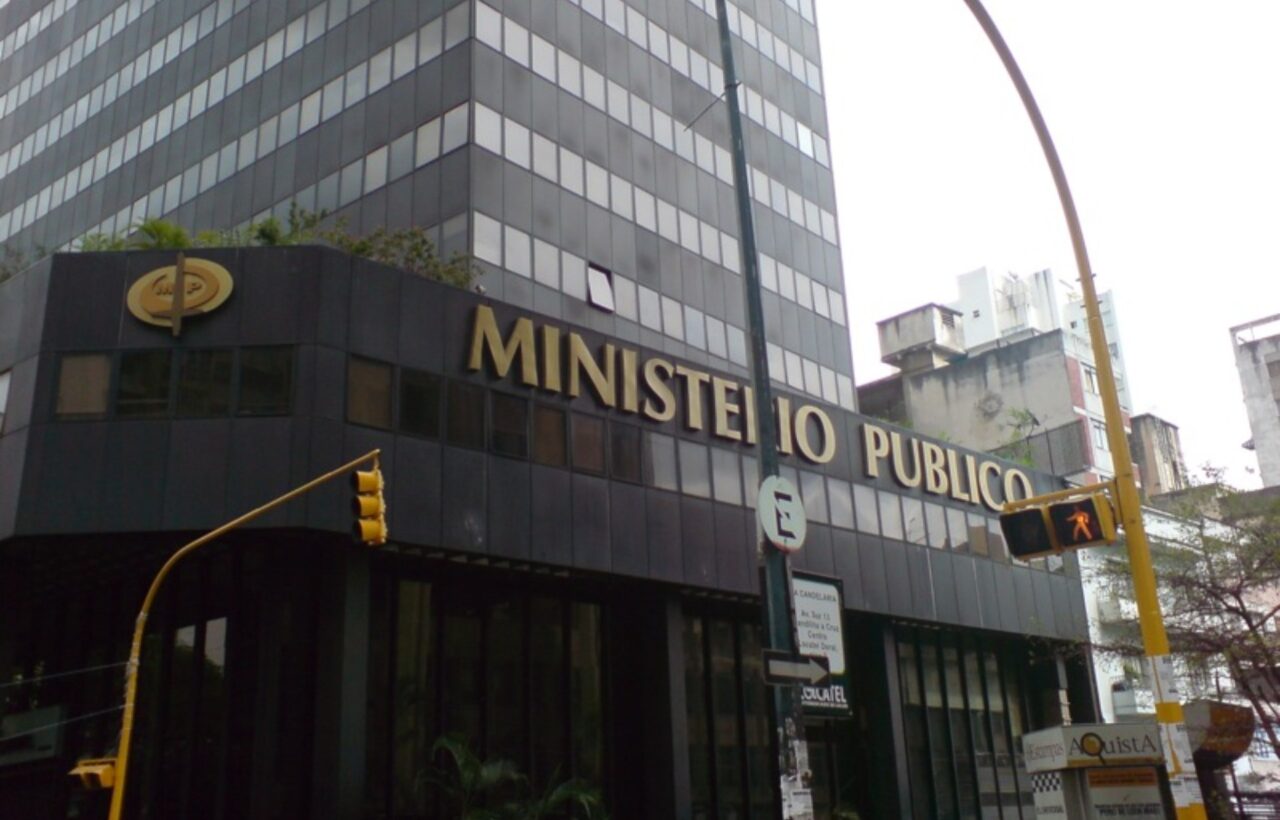
The resignations of the prosecutor and the ombudsman in Venezuela, together with the interim appointments announced by Parliament, have opened a new phase after the promulgation of the amnesty lawwhich analysts consulted by EFE interpret as a political and operational readjustment with a direct impact on the application of this measure.
The movements took place a week after the amnesty came into effect.
Although they had been ratified in office until 2031, Tarek William Saab and Alfredo Ruiz resigned after holding their positions since 2017with widely questioned efforts.
Pending the appointment of the new authorities, the Chavista majority in the Legislature provisionally appointed Saab as public defender in charge and lawyer Larry Devoe as interim attorney general.
According to specialists, these decisions respond both to the need to adjust the management of the amnesty and to an internal reorganization of Chavismo in an unprecedented political context.
Operational need
The coordinator of the NGO Provea, Oscar Murillo, told EFE that the changes reflect “a rearrangement of internal dynamics.” of the government, although he warned that they do not yet show a “clear path” towards democratic re-institutionalization, given that the appointed officials continue to be part of the Chavista structure.
In his opinion, the change in these institutions does not imply a break with previous practices, but rather a reorganization of power within the same political bloc.
For his part, the political scientist and university professor Guillermo Tell Aveledo He stressed that the Citizen Power – of which the Prosecutor’s Office and the Defender’s Office are part – is “one of the central axes” of the amnesty, so a change in its leadership can translate into a “change in technical-political criteria” in the ongoing procedures.
This adjustment, he explained, may point to “more fluid time management” in a process that already accumulates 8,110 amnesty requests, according to Parliament figures.
“In such a sensitive process for the survival of the Executive, the incentive structure requires a politically surgical prosecutor, capable of synchronizing judicial times with the urgencies of diplomatic normalization,” said Aveledo.
Closing of cycle
Saab provisionally returns to the Ombudsman’s Office, which he directed until 2017, when he became the head of the Prosecutor’s Office amid a wave of anti-government protests.
For Murillo, this designation represents “a mockery” for those who have suffered human rights violations, although he considers that it can also be read as a “vindication” of the complaints of “omission and silence” against both institutions.
Aveledo added that Saab’s role reflects “the transition of the system”: from being a defender of human rights before Chavismo, to eventually becoming “the architect of the restrictive interpretation of civil liberties.”
“His return to the Ombudsman’s Office marks the visible closure of that stage, preserves his internal political capital and opens the door to a possible functional rearrangement,” he said.
“Technical” bet
Regarding the interim prosecutor, sanctioned by Canada in 2019 for human rights violations, Aveledo considered that it is a “commitment to technical specialization”, given his time in international bodies.
“He is a legal operator who knows the language of compliance with international organizations,” he explained.
Murillo questioned Devoe’s history of confrontation with civil society organizations, and pointed out that he is a long-serving official and close to the acting president, Delcy Rodríguez.
In his opinion, this contradicts the constitutional principle of impartiality of the attorney general and creates a situation of institutional ambiguity that could favor political decisions over legal criteria.
Political challenges
Aveledo highlighted that this stage adds to the profound transformations that Chavismo has undergone in a short period since the capture of President Nicolás Maduro.
“The ideological challenge is huge, since they must rationalize before their bases a negotiation of sovereignty and a gesture of ‘forgiveness’ to enemies of the revolution, despite how limited it has been in reality, in exchange for stability,” he said.
The challenge, Murillo stressed, is to move towards democratic re-institutionalization with officials who generate trust and appointments that do not last beyond what is strictly temporary.
“This country has experienced the darkest chapter in its history in terms of human rights. We cannot continue simulating changes. Reinstitutionalization requires serious and responsible decisions,” he concluded.