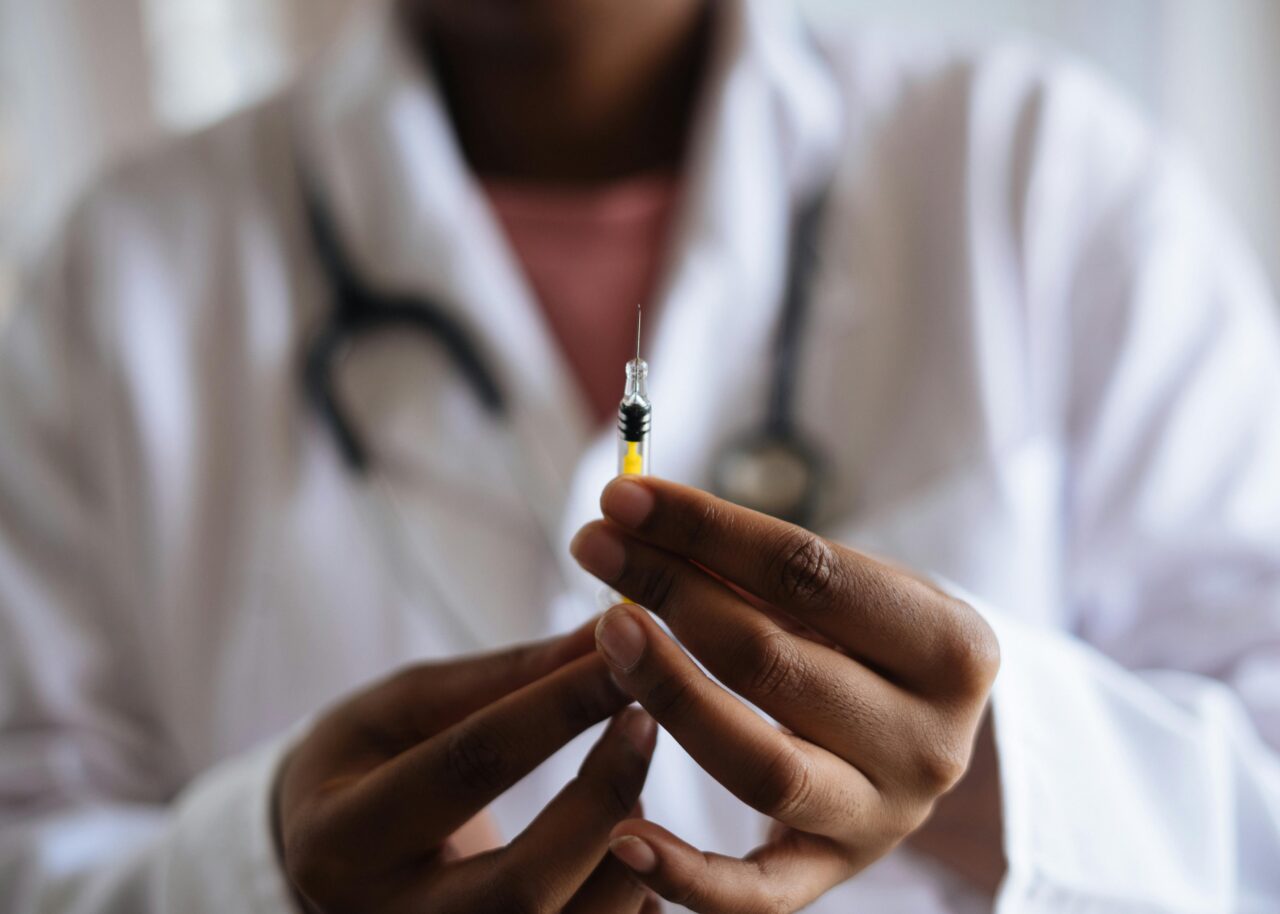
The Minister of Health of Venezuela, Nuramy Gutiérrez, assured this Friday that the government in charge of Delcy Rodríguez is acquiring the new doses necessary to address the outbreak of yellow fever recently registered in the country after the resurgence of the disease in Latin America since the end of 2024.
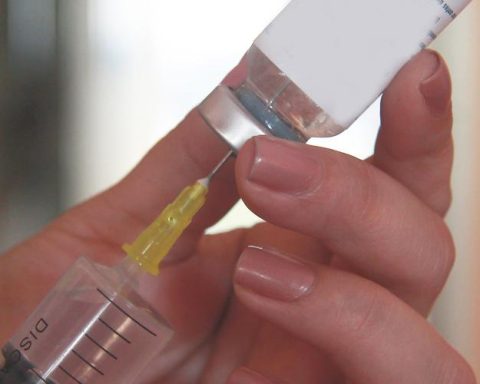
In an interview with the state channel Venezolana de Televisión (VTV), Gutiérrez indicated that they will continue the vaccination process, prioritizing the states of Aragua, Barinas, Lara and Portuguesa, which are the places where, he said, the authorities are certain that the virus is circulating.
“We are estimating that, approximately, blocking the virus in these first states and starting with the rest of the states that we are missing, may take two months or so,” he indicated in the interview.
In a press release from the Ministry of Health, Gutiérrez reiterated that Venezuela is currently experiencing an outbreak of yellow fever, which is why it intensified vaccination against the virus.
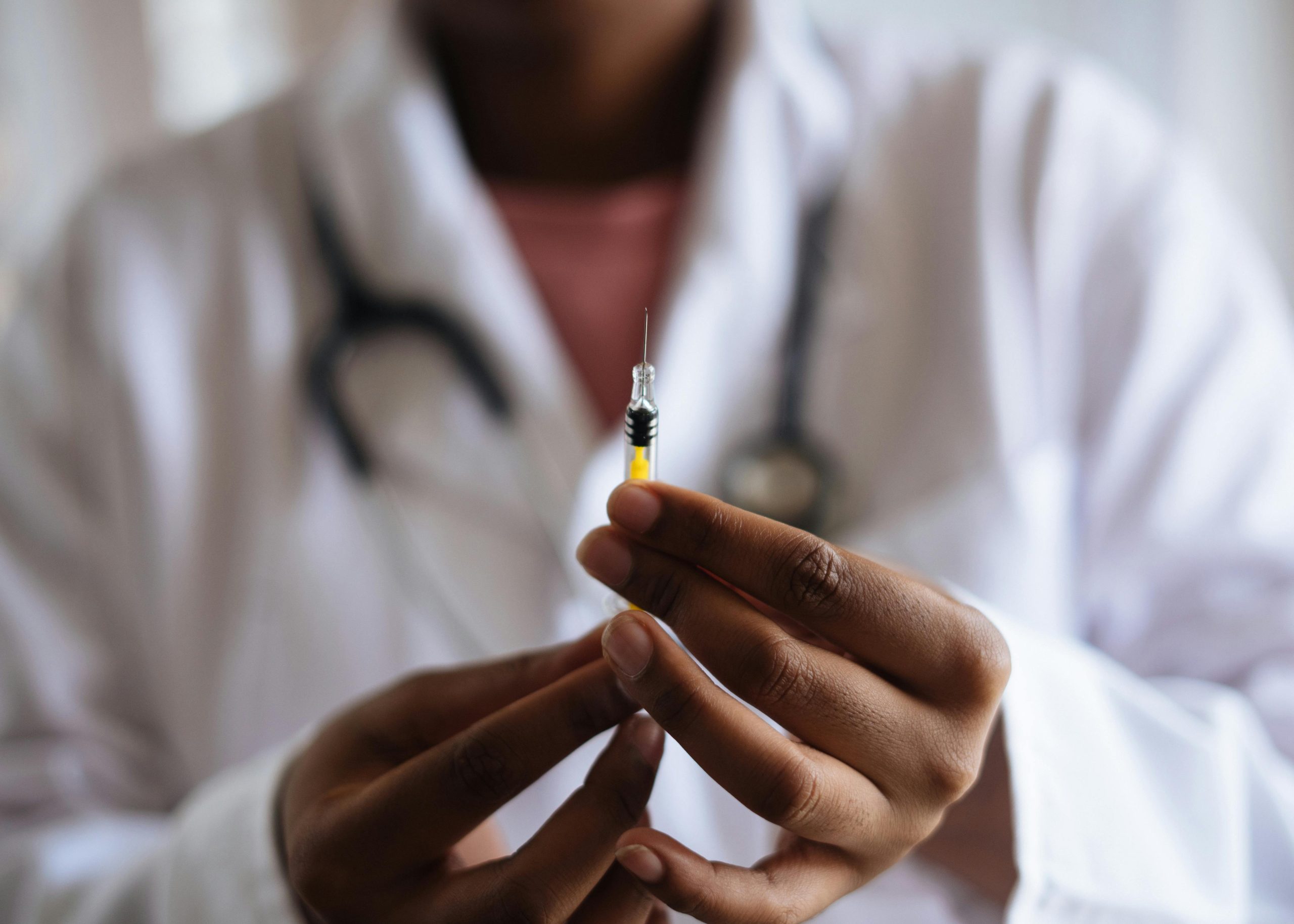
The official maintained that in the rest of the country “vaccines are also guaranteed” against yellow fever and called on the population to be immunized against this disease.
The Ministry of Health published an infographic on Instagram with data on cases and deaths from yellow fever in countries such as Colombia, Ecuador, Peru, Brazil and Guyana, but did not reveal the figures for Venezuela.
On Thursday, the Bolivarian National Armed Forces (FANB) announced that it will join the campaign to reinforce vaccination against yellow fever, as reported by the Ministry of Defense in a publication on social networks.
The reinforcement of this campaign is announced after the president in charge of Venezuela, Delcy Rodríguez, met with the representative of the Pan American Health Organization (PAHO) in the country, Armando De Negri Filho, in order to establish “technical cooperation guidelines” to “strengthen the health sector” of the country.
In the last year, Venezuela has received donations of vaccines against yellow fever, polio, pentavalent, SRP, PCV10 and rotavirus from several countries such as India, South Korea, Russia, Brazil and others.
In 2024, the Venezuelan Society of Childcare and Pediatrics indicated that “in the last 10 years the Expanded Immunization Program (PAI) has not been able to achieve the proposed goals in terms of vaccine coverage” in Venezuela.
Likewise, he pointed out that “the indicators of new vaccines and updating of the scheme show that (the) PAI (of) Venezuela is very behind in the incorporation of new vaccines.”