The NGO Cuban Prison Documentation Center (Cdpc) recorded 59 human rights violations in Cuban prisons and one inmate died due to medical negligence in January 2026, according to its report on that period released this Friday.
In this update of the situation in Cuban prisons, the NGO, based in Mexico, reported that at least 31 people deprived of liberty (2 women and 29 men) were identified as affected by some of these violations.
The Cdpc also regrets the death of political prisoner Lázaro García Ríos, who was serving a 20-year prison sentence imposed in 2022, accused of crimes of enemy propaganda and sabotage.
He states that García Ríos underwent heart surgery and although “medical studies indicated that he had not fully recovered” he was returned to the Combinado del Este prison (Havana) and then filed complaints about the deterioration of his health, “without there being evidence that he was given timely and adequate medical care by the prison authorities.”
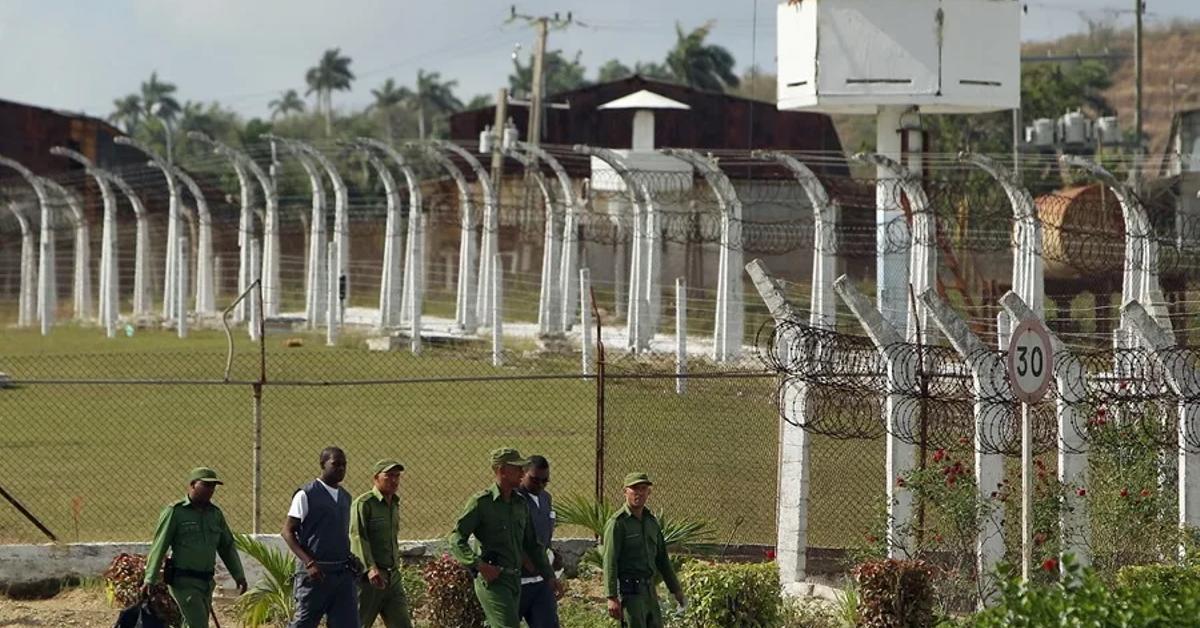
The NGO indicated that it documented rights violations in 22 prisons in 14 provinces. Of them, the eastern Las Tunas registered the highest number of complaints (10), mainly in the “El Tífico” prison.
He once again pointed out that the most affected groups are prisoners for political reasons, people of African descent and those living with chronic diseases, and clarified that several categories of vulnerability can coincide in a person.
The report stressed that poor living conditions are a widespread constant
Likewise, it states that international human rights organizations expressed concern about the health situation of the political prisoners and urged the authorities for their “immediate and unconditional release.”
The report stressed that poor living conditions are “a widespread constant” characterized by “insufficient, poorly prepared and spoiled food, severe malnutrition, shortage of drinking water, deteriorated infrastructure, lack of mattresses, insect infestations and epidemiological outbreaks without adequate treatment.”
As punishment applied to prisoners for reporting these situations, the report states that their communications were restricted or monitored, sent to a punishment cell, transferred to prison, and deprived of medical care. Added to this are beatings with impunity and threats.
Testimonies of “sexual violence perpetrated by other inmates at the instigation of prison authorities” are also indicated, as well as the fabrication of new criminal cases to prevent access to prison benefits, and restrictions on family and conjugal visits.
The Cdpc highlighted that the information listed in its report represents “an under-recording of real events and victims.”
Finally, he explained that it is impossible to have complete documentation due to “the systematic opacity of the Cuban regime, which refuses to make official information about its penitentiary system transparent, prevents independent observers from accessing prisons and criminalizes the work of documenting human rights violations in these spaces.”