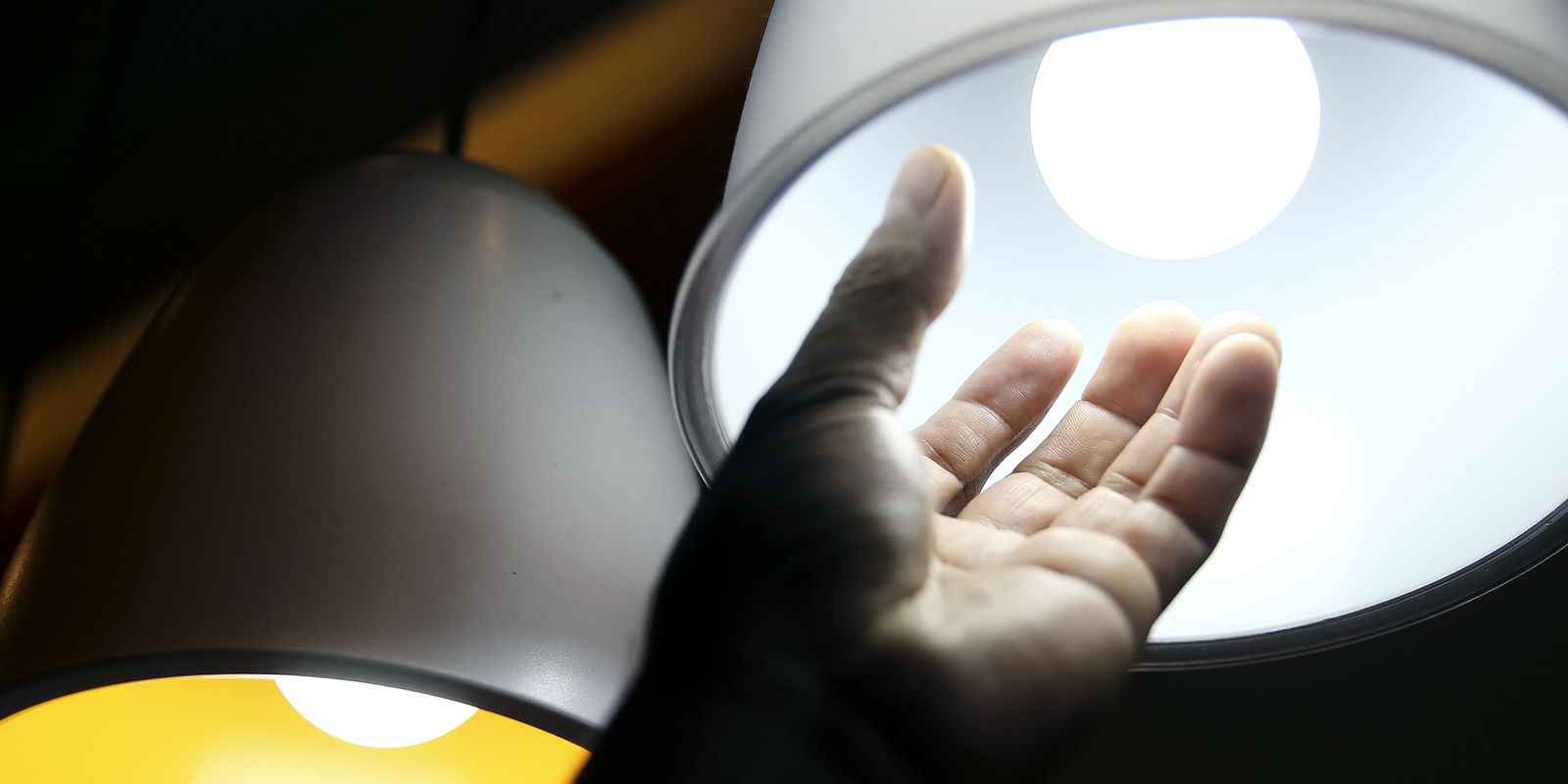
National Electric Energy Agency (Aneel) confirmed this Friday (27) the maintenance of the green tariff flag in the month of March. 
This is the third consecutive month for the brand at the same level, which means that there will be no additional costs charged on the consumer’s electricity bill.
According to Aneel, there was an increase in the volume of rain in February and the consequent increase in reservoir levels, conditions that favor the maintenance of the green flag.
“Although the flag is green and generation conditions are favorable most of the time, it is important to remember that there may be additional dispatch of thermoelectric plants to guarantee the robustness of the electrical system in specific operational situations.”
According to the calendar published by the regulatory agency, on March 27th, the definition of the flag to be applied in April will be announced.
Extra costs
Created in 2015 by Aneel, the tariff flag system reflects the variable costs of generating electricity.
Divided into colors, the flags indicate how much it is costing the National Interconnected System (SIN) to generate the energy used in homes, commercial establishments and industries.
Each month, the operating conditions of the electrical energy generation system are reassessed by the National Electrical System Operator (ONS), which defines the best energy generation strategy to meet demand and outlines a forecast of costs to be covered by the Flags.
Therefore, the colors of the tariff flags are defined based on the forecast variation in the cost of energy each month.
When the electricity bill is calculated using the green flag, there is no increase. When the red or yellow flags are applied, the bill increases for every 100 kilowatt-hours (kWh) consumed.
It is important to note that, annually, at the end of the wet season, in April, Aneel defines the value of the Tariff Flags for the following cycle.
Currently the amounts charged are as follows:
- yellow flag – less favorable generation conditions: increase of R$ 1.88 for every 100 kilowatt-hours (kWh) consumed;
- red flag, level 1 – most expensive generation conditions: increase of R$4.46 per 100 kWh;
- red flag, level 2 – even more costly generation conditions: increase of R$7.87 per 100 kWh.