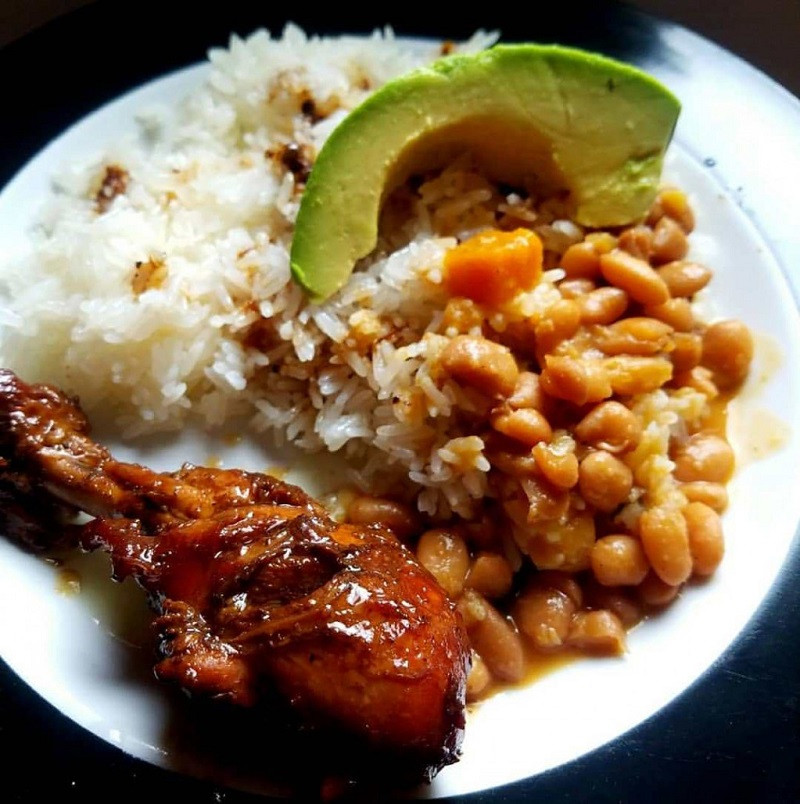
Santo Domingo.- Dominican gastronomy is an extension of its people: simple, abundant and full of history. Each typical dish is born from a region, from a need and from our very own way of sitting at the table, where there is always a “throw one more chin” and no one goes without eating.
In Cibao, the agricultural heart of the country, mangú reigns, made from green bananas boiled and mashed until creamy.
It is accompanied with “the three hits”: fried cheese, salami and egg, a combination that does not fail and that tastes like a country breakfast, at home and with a family gathered early in the morning. The mangú is a national symbol, but in Cibao it is defended as its own, with pride and seasoning.
In the Eastern region, especially in Samaná, the cuisine has the smell of the sea and coconut. There the famous coconut fish is prepared, where natural coconut milk is mixed with chili peppers, onion and spices, creating a thick broth that sticks to the white rice.
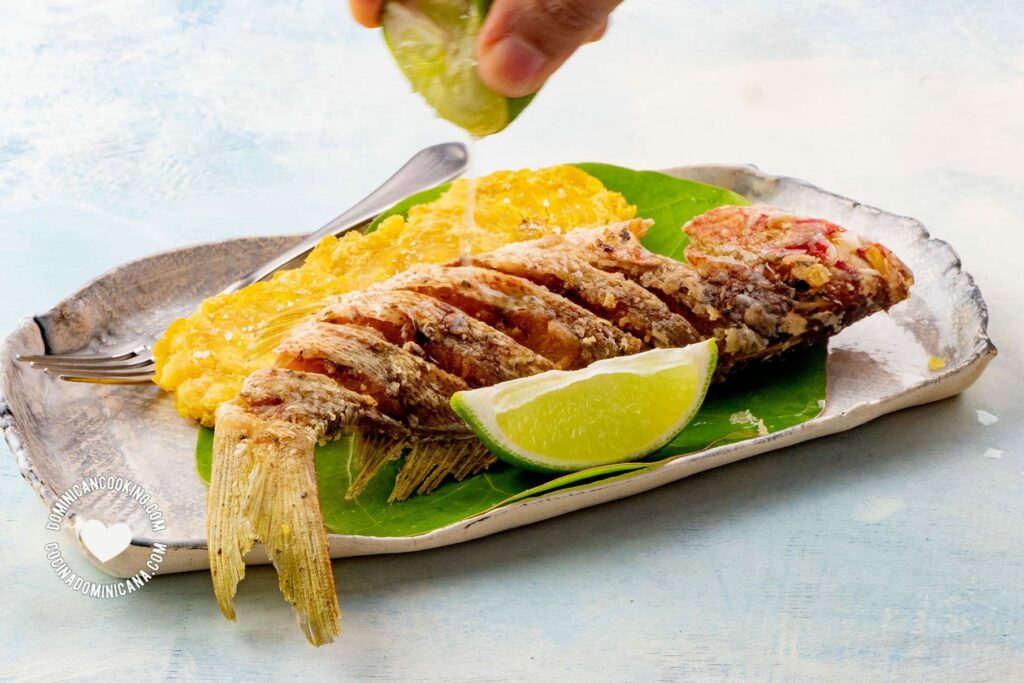
It is a dish that speaks of Afro-Caribbean heritage and coastal communities that learned to cook with what the land and sea provide.
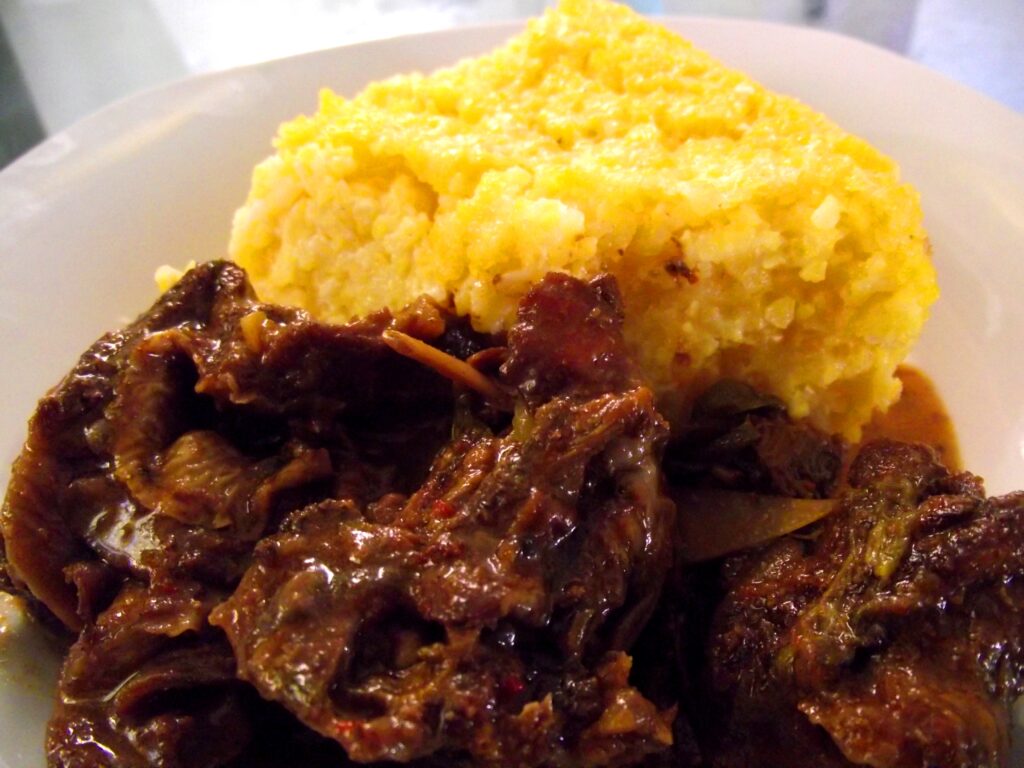
In the deep South, especially in San Juan and Elías Piña, the dish that rules is chenchén with stewed goat. Chenchén is made with dried cracked corn and its traditional preparation includes the three strokes.
The first blow breaks the grain to remove the shell; the second tunes and matches it; and the third gives it the exact texture, neither too fine nor too thick. This process, done with great effort and patience, is what allows the chenchén to be loose, tasty and ready to absorb the goat’s broth. It’s not just food, it’s living culture of the South.
Also in the South, especially in rural areas, chacá is prepared, a thick dessert based on corn, milk and spices, very common at Holy Week.
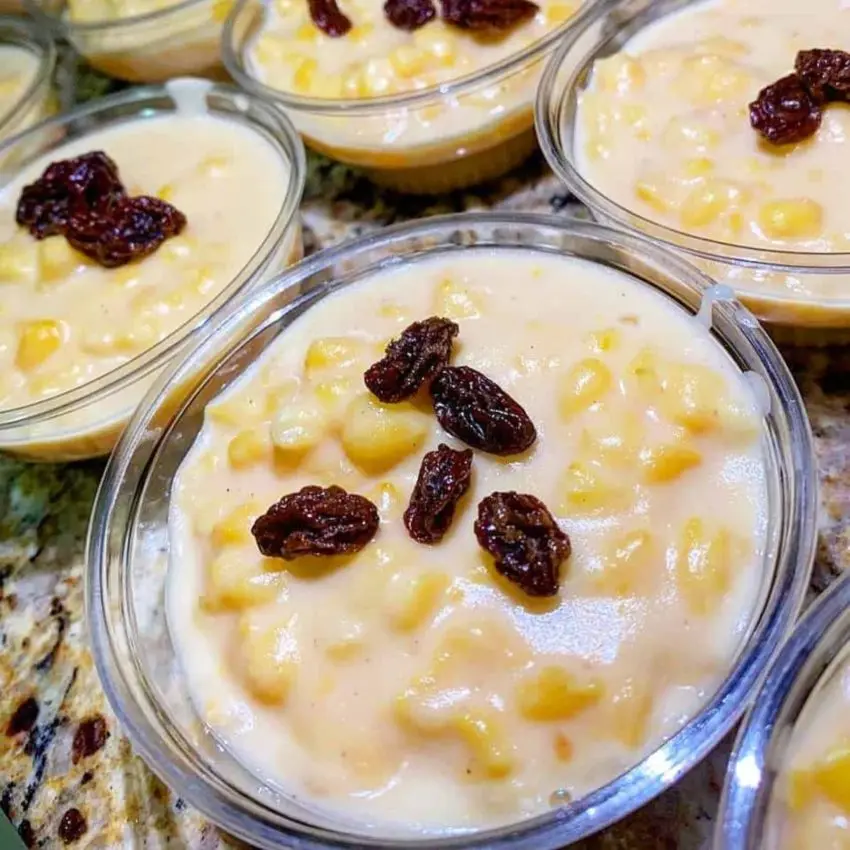
It is a humble dish, but full of symbolism, which is shared between neighbors and family, because here the sweet is always shared.
In Monte Cristi and part of the Northwest Line, the liniero goat stands out, famous for its intense flavor thanks to the breeding of the animal and the generous use of oregano, garlic and chili peppers. It is a main dish, one of those that is cooked slowly and eaten with respect, accompanied by moro or white rice.
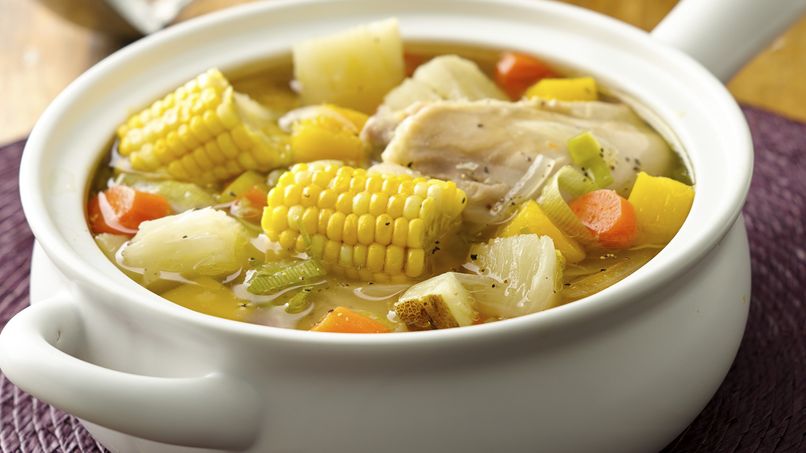
In different areas of the country, especially in fields and towns, sancocho, the dish of gatherings, is still present.
It doesn’t matter if it is seven meats or simpler, sancocho is made when there is a reason: a celebration, a birthday, an important visit or simply a desire to get together. It is food that embraces and always tastes better the next day.
Each of these dishes tells a story: of resistance, of heritage, of identity. Dominican food is not just what is served on the plate, it is the conversation around the table, the pilón ringing in the patio, the hand-grated coconut and the pride of saying: this is from here, this is ours.