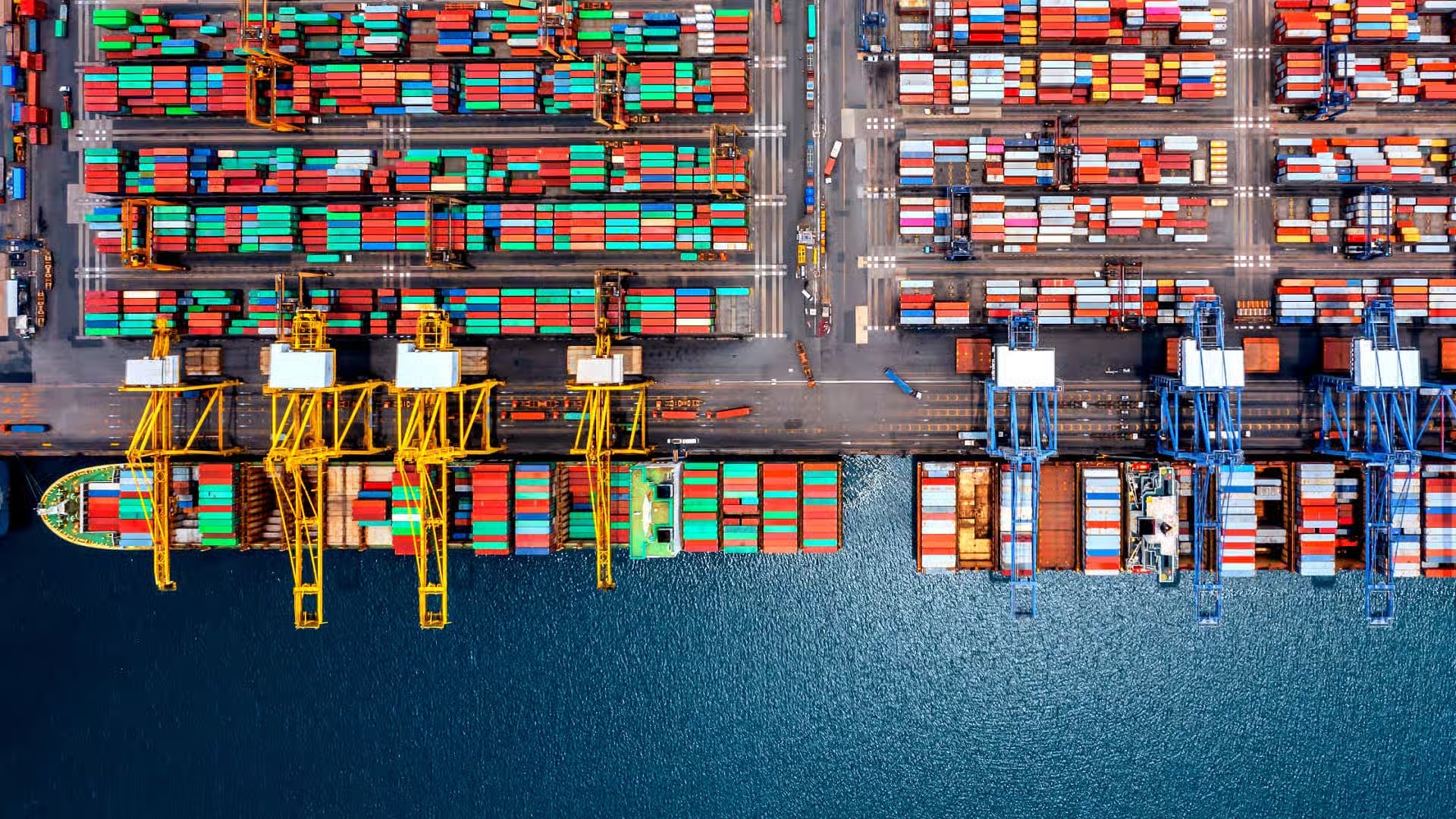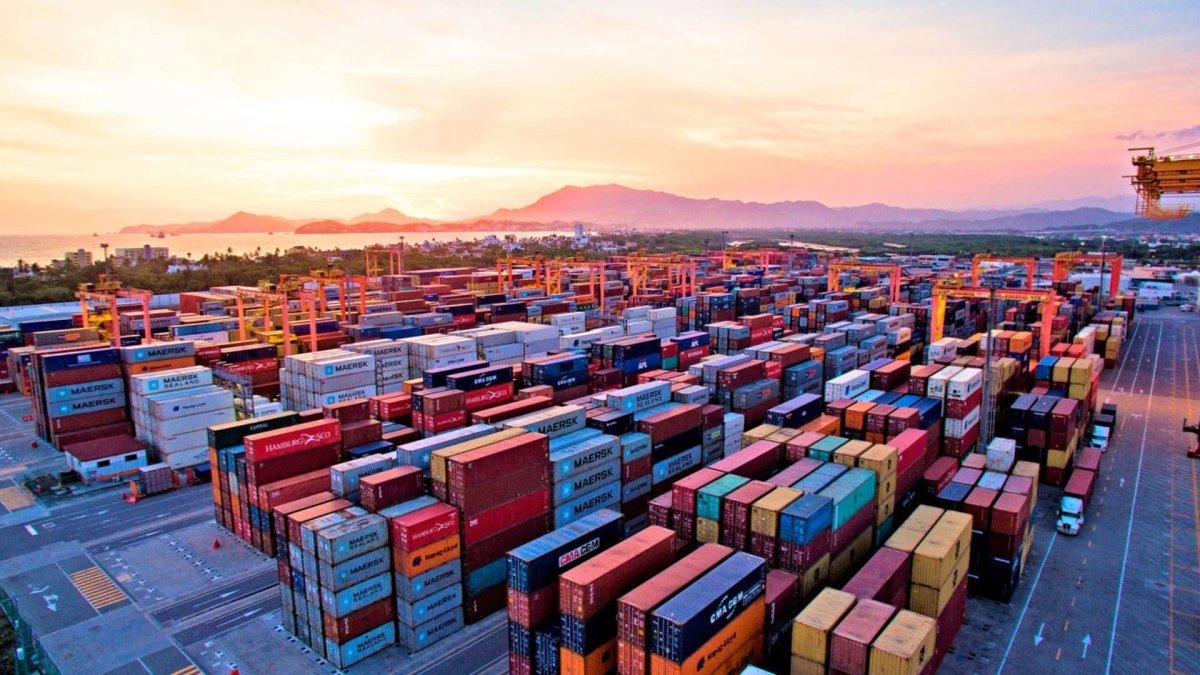
The United States’ decision to begin applying a 10% global tariff on foreign products starting this Tuesday deserves a calm, but rigorous evaluation by the authorities of the Dominican Republic.
This is what the economist warned Haivanjoe Ng Curtainswho indicated that the Caribbean country currently exports around US$7,125 million on goods, so the application of a tariff of that magnitude would represent an impact close to US$712 millionwith possible direct effects on the competitiveness and performance of the export sector.
“The key is not only the amount, but who bears the cost. In small, open economies like the Dominican one, the evidence indicates that most of the impact is absorbed by exporters. Due to our productive structure—dominated by free zones and employment-intensive manufacturing—a reasonable estimate is that about 65% of the hit would fall on local companies, some US$460 millionwhile the remaining 35% would be assumed by the US market,” explained Ng Cortinas.
Economist Haivanjoe Ng Cortiñas
Likewise, he pointed out that the consequences would be relevant, although less abrupt than in more severe scenarios.
“First, pressure on industrial employment, especially in free trade zones, where margins are narrow and international competition is intense. Second, less dynamism in foreign investment linked to nearshoring, as competitive access to the US market becomes more expensive. Third, indirect macroeconomic effects: lower inflow of foreign currency and possible exchange rate pressure at the margin,” the writer explained.
Also, the economist stated, there would be less visible fiscal implications. “If business profits, formal employment and productive chains are reduced, the State could see reduced income associated with economic activity, even if the impact is not immediately perceived in public accounts,” he said.
He continued: “Not all sectors would react the same. Exports with greater differentiation, such as premium tobacco, would have more capacity to transfer prices. On the other hand, textiles, light manufacturing and part of the medical devices – pillars of the export model – would be more vulnerable.”
Poor management of the fiscal deficit problem in the US.
For his part, the economist Apolinar Veloz considered that President Donald Trump wrongly faced the problem of the fiscal deficit in the United States, by opting for the imposition of tariffs instead of applying taxes with a broader tax base, such as the value-added or income tax.
“He placed a tariff whose tax base is lower than the taxes on consumption and income-profits. Not only is the problem of the fiscal deficit not resolved, but economic agents react uncomfortably due to the inflation it produces, fundamentally affecting medium and small consumers,” he stated.
The economist Apolinar Veloz.
Veloz added that consumption in the US is approximately 66% of GDP, so a lag in demand could be expected and could reduce the growth of the economy.
“This would affect economic growth. A higher tariff for the country would represent an increase in the cost of imports of raw materials and capital. In the case of raw materials, the tariff would increase the cost of production and make prices more expensive in the same proportion, if businessmen did not decide to maintain their participation in the profits,” stressed the economics professor.
Furthermore, he specified that, on the other hand, one consequence is that inflation reduces real demand; It would be expected that economic growth would be reduced and affect formal employment.
“From the point of view of monetary policy, the BCRD could do little. It could consider reducing the interest rates on financing for companies and reduce its impact on the cost of capital of companies. But the monetary policy rate has a greater effect on passive interest rates than on active ones, due to banking concentration,” added Apolinar Veloz.