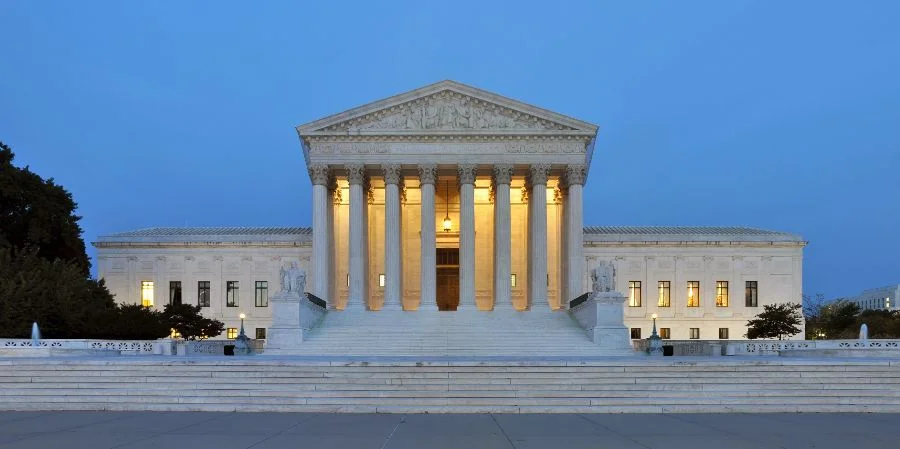
LIMA, Peru – The United States Supreme Court is considering lawsuits filed by American citizens whose properties were confiscated by the Cuban regime, reported the Office of Western Hemisphere Affairs (of the State Department) in that country.
“The United States has important foreign policy interests in promoting democracy in Cuba by promoting accountability for the Cuban Government’s illicit confiscations through lawsuits covered by Title III and supporting compensation for American victims of the illegal expropriations of the Castro era,” the current Administration told the Court.
The Helms-Burton Lawpassed in 1996, had lain dormant for more than two decades due to consecutive presidential suspensions, until Donald Trump lifted those restrictions in 2019. Since then, several American companies have initiated similar proceedings, although many did not go as far into the judicial system as the most recent ones.
According to US Government figures, more than 5,900 people and companies have certified claims against the Cuban State for a value greater than 1.9 billion dollars, not counting interest.
Last October the Supreme Court had already accepted two cases of claims for confiscated property in Cuba after Fidel Castro came to power. The lawsuits, filed by Exxon Mobil Corporation and Havana Docks Corporation, were also based on Title III of the Helms-Burton Act.
The first case pits Exxon Mobil against the state companies CUPET (Cuba Petróleo) and CIMEX, which the oil company accuses of benefiting from assets that were confiscated in the late 1950s, including the “Ñico López” refinery and more than a hundred service stations. Exxon is seeking compensation for damages estimated at about $72 million, a figure that with accrued interest could rise into the billions.
The second case was presented by Havana Docks Corporation, original owner of the docks of the port of Havana, nationalized after the revolution. The company is suing several cruise companies — including Carnival Corporation, Royal Caribbean, Norwegian Cruise Line and MSC Cruises — for using these facilities between 2015 and 2019 without authorization or compensation. The shipping companies maintain that the original contract with Havana Docks expired in 2004, so they deny having incurred any violation.
The U.S. Department of Justice supported review of both cases, citing a “compelling interest” in ensuring that U.S. citizens affected by expropriations in Cuba receive fair compensation. For their part, the Cuban entities CIMEX and CUPET warned that an adverse ruling could have “global implications” and set a precedent with diplomatic and economic consequences.