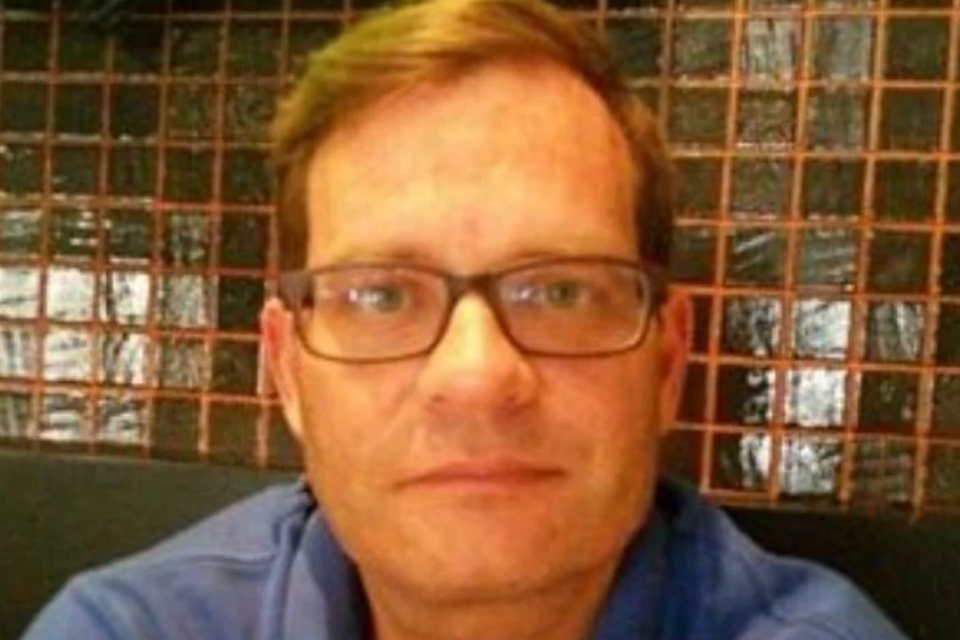
Pedro Guanipa announced the judicial decision through his social networks, he was arrested on September 26, 2024, shortly before a trip he planned to Colombia
A Venezuelan court granted full freedom to the journalist and political leader Pedro Guanipa, brother of the political leader Juan Pablo Guanipa, within the framework of the release process derived from the Amnesty Law for Democratic Coexistence, recently approved by the National Assembly.
Guanipa announced the judicial decision through his social networks, where he highlighted that that same day he received the official communication from the court notifying him of his freedom without restrictions. “I want to announce to the country that today we received a communication from the court of our case in which they granted us full freedom. I especially thank all the people who supported and accompanied us in this year and six months,” the leader wrote in X.
The communicator and opponent was director of the Maracaibo mayor’s office when he was arrested on September 26, 2024, shortly before a trip he planned to Colombia. After more than eleven months in prison, in August 2025 he was granted house arrest, which was now replaced by full freedom.
Amnesty and release process
The release of Pedro Guanipa occurs amid a panorama of releases that have marked the Venezuelan political debate since the approval of the amnesty law. The NGO Foro Penal reported this Sunday that, since the regulations came into force last Thursday, at least 40 verified releases of political prisoners have been recorded in different prisons in the country.
*Read also: Perkins Rocha’s family asks for freedom without restrictions
Gonzalo Himiob, director of the organization, detailed in
Expectations and criticism
The Amnesty Law, which was presented by the acting president Delcy Rodríguez as an instrument to release those who have been detained for political reasons and move towards reconciliation, has generated expectations in opposition sectors and in relatives of detainees. However, its application has been criticized due to the slowness in the release of large groups of political prisoners and exclusions that limit its legal scope.
In this context, Guanipa’s Family indicated that, in addition to his full freedom, they hope that courts will issue similar communications for other co-defendants such as Rafael Ramírez, David Barroso, Diana Berrio and Margarita Assenza.
*Journalism in Venezuela is carried out in a hostile environment for the press with dozens of legal instruments in place to punish the word, especially the laws “against hate”, “against fascism” and “against the blockade.” This content was written taking into consideration the threats and limits that, consequently, have been imposed on the dissemination of information from within the country.
Post Views: 253