More than 290,000 hectares of blue forests protect the coast and support thousands of species.
News Colombia.
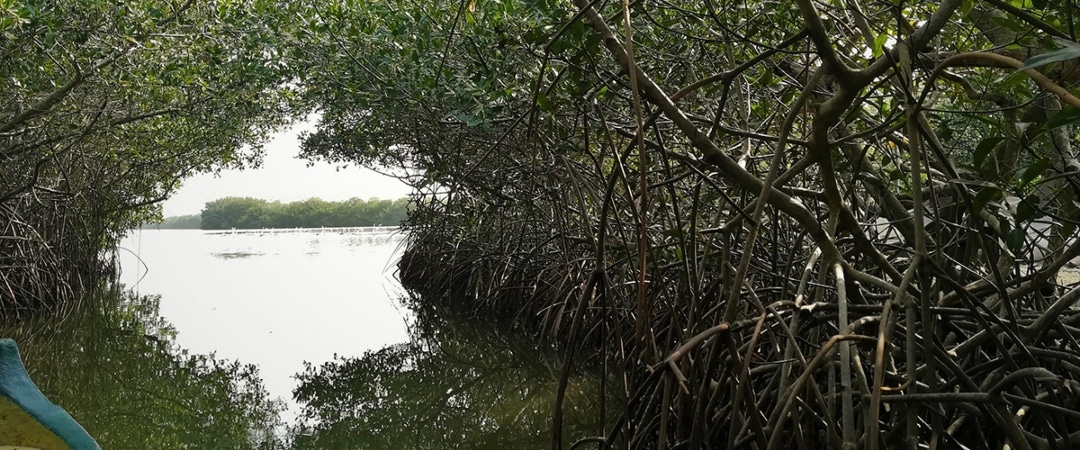
Colombia is a country privileged for its biodiversity. Its mountains, jungles, rivers and seas not only enchant locals and visitors, they also support a natural wealth that today is key in the face of climate change. Among these treasures are mangroves, ecosystems where the land merges with the sea and the roots look like living sculptures.
Beyond their beauty, these forests play a fundamental role for life on the planet. Mangroves in Colombia are known as “blue forests” for their ability to absorb carbon and store it for centuries in their clay soils. In addition, they protect coasts from erosion and help desalinate sea water.
Mangroves are among the most productive ecosystems in the world. Mollusks, fish, crustaceans, amphibians and birds live there. Many marine species depend on these forests at some stage of their lives, either for food or reproduction.
In Colombia, mangroves extend over more than 290,000 hectares and reach heights of up to 30 meters. They have a presence in 12 departments, mainly in the Pacific and Caribbean regions. Nariño, Chocó and Magdalena concentrate 85% of the national coverage.
Routes to discover the mangroves in Colombia
Although many believe that these ecosystems are in remote places, the truth is that there are accessible routes to explore them in a sustainable way. The Colombia Travel entity recommends several ideal destinations to live this experience with a community and environmental focus.
Nuquí, a jewel of the Pacific
In the heart of the Colombian Pacific, Nuquí offers tours on local boats that depart from the tourist dock. The route navigates the Nuquí River and the Angachí River, allowing you to observe the diversity of flora and fauna.
In addition to the landscape, the visitor can see local community settlements and understand how responsible tourism generates income without affecting the ecosystem.
Ciénaga de la Caimanera
Located in Sucre, this nature reserve is ideal for a quiet getaway. Its channels form natural mangrove tunnels that can be explored by boat. Birds abound and the silence is only broken by the sound of water.

It is a perfect plan to disconnect from the urban rhythm and connect with nature.
La Boquilla, tradition and mangrove
Just minutes from the historic center of Cartagena, La Boquilla offers canoe tours through the mangroves. There, visitors learn traditional fishing techniques and sample local cuisine.

This community tourism model allows you to integrate with the culture of the territory and understand the relationship between communities and the ecosystem.
Cispatá mangroves
Between December and April, when the weather is drier, Cispatá becomes an ideal destination to explore mangroves in peace. The boats travel through different arms of the ecosystem, where opportunities to observe wildlife abound.

Nearby is Playa Blanca, a perfect alternative to close the tour with a swim in the Caribbean Sea.
Visiting the mangroves in Colombia implies assuming a responsibility. These ecosystems are fragile and require specific care. Authorities and operators recommend always following the instructions of local guides, not leaving waste and avoiding the extraction of flora or fauna.
You may be interested in: What’s next for Tayrona Park? preventive closure, tourism on hold and complaints under investigation