The Government of Jamaica confirmed this week that its medical cooperation program with Cuba “is still in force,” although the agreement that regulates this collaboration is currently being renegotiated amid pressure from the United States against the island’s medical missions.
“It is still in force. We still have Cuban workers here. However, a negotiation is taking place on the current agreement,” explained Health and Welfare Minister Christopher Tufton during a press conference.
“The old (agreement) has expired and some talks have been held, and that process is long and ongoing,” he added.
The official specified that, although the previous memorandum of understanding (MOU) has already expired, Nearly 300 Cuban doctors and specialists continue to provide services in the neighboring country under current contracts, indicated an office of EFE.
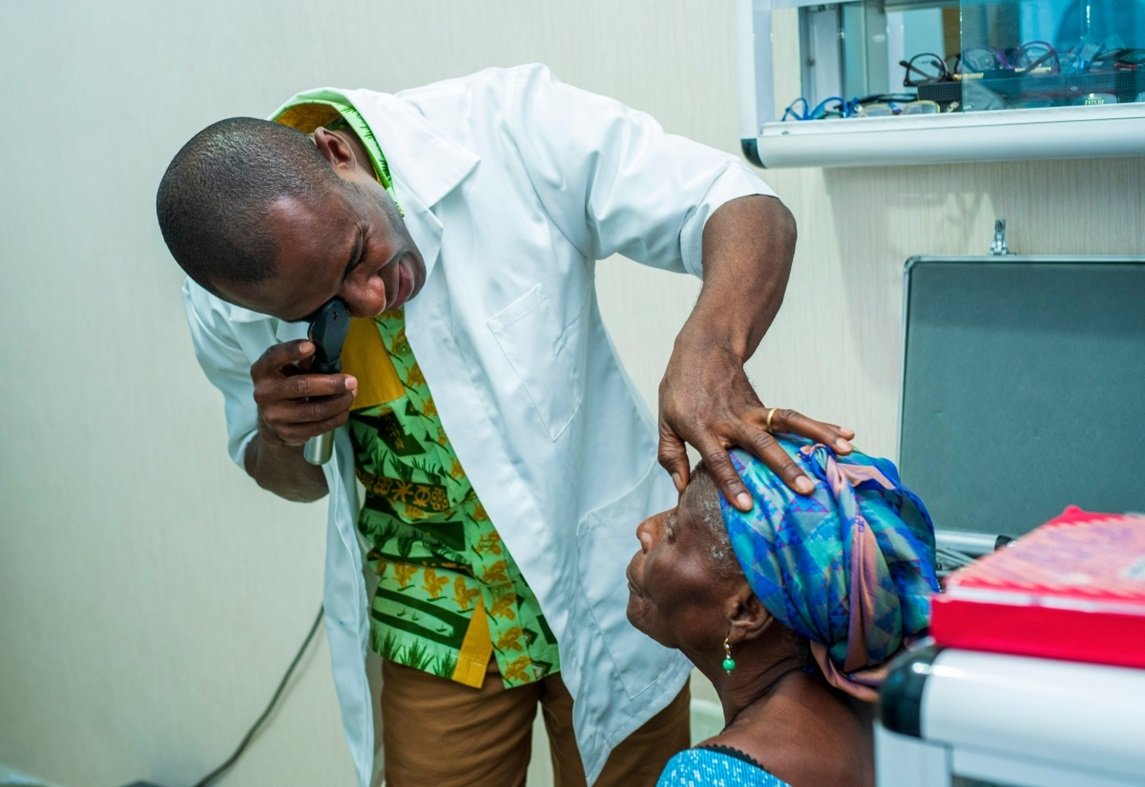
“The program continues: the Cuban Eye Care Program, Cubans in hospitals and health centers are working,” Tufton confirmed.
The health cooperation between Jamaica and Cuba spans more than five decades and constitutes a key component of the Jamaican public health system, the note stated.
Jamaica defends that the medical program with Cuba is vital
For her part, Foreign Minister Kamina Johnson Smith noted last year that the Cuban collaboration program remained “vital” and that a review had already begun before international scrutiny intensified.
The context is marked by the new US sanctions against the island’s medical brigades, which have generated concern and rejection in Latin America and especially in the Caribbean.
Countries such as Antigua and Barbuda, Bahamas, Grenada, Guyana, Trinidad and Tobago and, most recently, Guatemalainitially defended these programs, although they later ended the collaboration or modified their contractual ties with Havana.
Guatemala will end the medical cooperation agreement with Cuba
What has happened to Cuba’s medical collaboration in the face of pressure from the US?
Just a week ago, the Government of Guatemala announced that this year it will progressively end medical collaboration with Cuba.
In force for almost 30 years, the medical program between Guatemala and the island represents “the pillar of health in the most forgotten areas of Guatemala,” according to former human rights attorney Jordán Rodas Andrade.
Likewise, he stressed that “Ending this agreement is an act of ingratitude that leaves the most vulnerable helpless.”
Although they are essential for the health systems of these countries, Cuban medical collaboration programs have been the focus of threats from Washington.
A source from the Organization of Eastern Caribbean States (OECS) indicated that Some islands have chosen to suspend the program, while others have filed complaints with the US.
Cuban medical brigades, active for more than six decades, have deployed some 600,000 professionals in 165 countries, according to official data.