The Mexican photographer Marina Morris Uruchurtu was born in Cuba. Not the teenager who came to these shores loaded with nameless longings, not the girl who returned to her home with a baggage of emotions that time would later classify and put right in the corresponding place, between emotion and memory. An artistic destiny begins from these imprecise photos; so much so that woman and photographer have managed, over time, to merge into a solid piece.
If it had not been in Cuba, perhaps his awakening to the world of images would have occurred somewhere else. Who can know? But it happened here, in the midst of difficulties that he believed were specific, transitory, but that today remain aggravated.
I pass on to Marina, an important lens artist today in her country, the word.
A blurry memory of me
Sometimes the origin of a look is not an illuminated moment, but a blurry area. In my case, the Photography started like this: as a way of breathing.
I was eighteen years old when I traveled with some friends for the first time to Cuba. I didn’t have high expectations or a precise plan. It was just the mission of a group organized in a church in Mexico to basically support people there, and accumulate good experiences.
I didn’t know what to bring, although I was sure, of course, that I was carrying a small Kodak Cross negative 110 camera that my grandmother had given me, the most constant refuge of my childhood. That camera, almost a toy, accompanied me like a small talisman: a simple object that, without me knowing it, was opening the door to the life that would come later.
My adolescence had passed between tense silences and family disruptions; Therefore, that trip represented more than a physical displacement. It was a pause, a deep breath that allowed me to understand that the world could be wider, kinder and brighter than what I knew at home. The camera allowed me to look without fear, to hold on to something, to order the chaos for a moment.
We arrived in Havana in a time of deep scarcity. There was not enough food, transportation or basic resources. However, what I remember most clearly is not the lack, but the kindness and warmth of the people. They welcomed us with a generosity that forever marked my way of understanding human dignity.
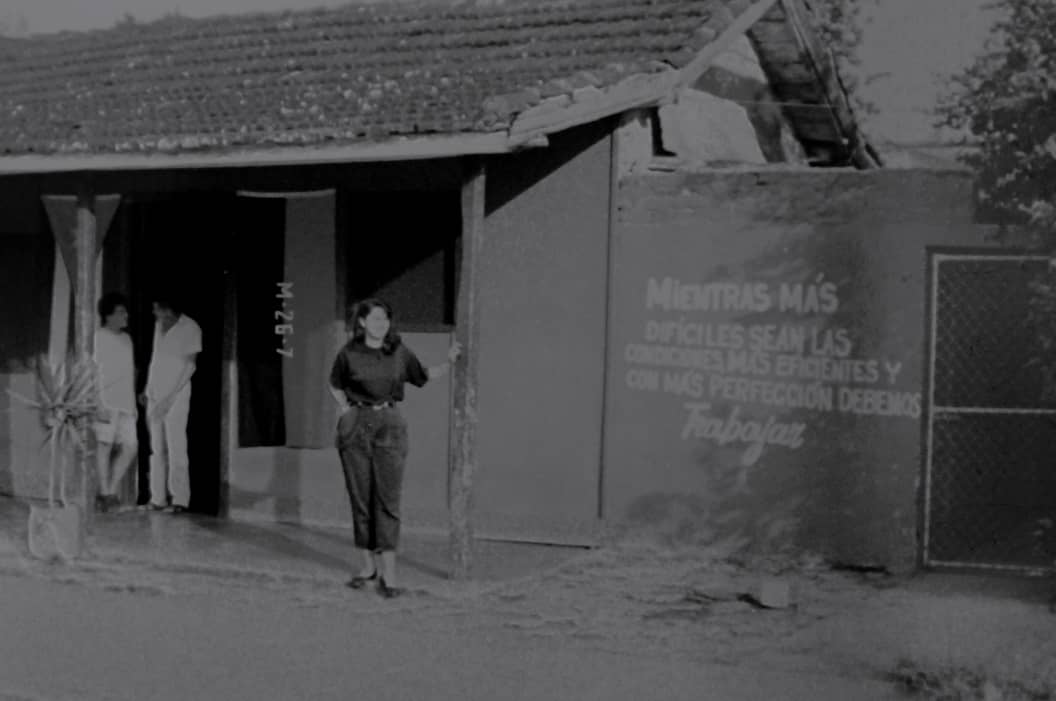
One afternoon, a young woman who recently graduated told me that she had suspended her degree to go to the fields to plant food. “Here we all learn to get by.” Those words, said without victimhood, were recorded as a lesson in resistance. Right afterward I came across a similar phrase painted on a wall: “The more difficult the conditions, the more efficiently and perfectly we must work.” A tremendous contrast with the life of that young woman I was.
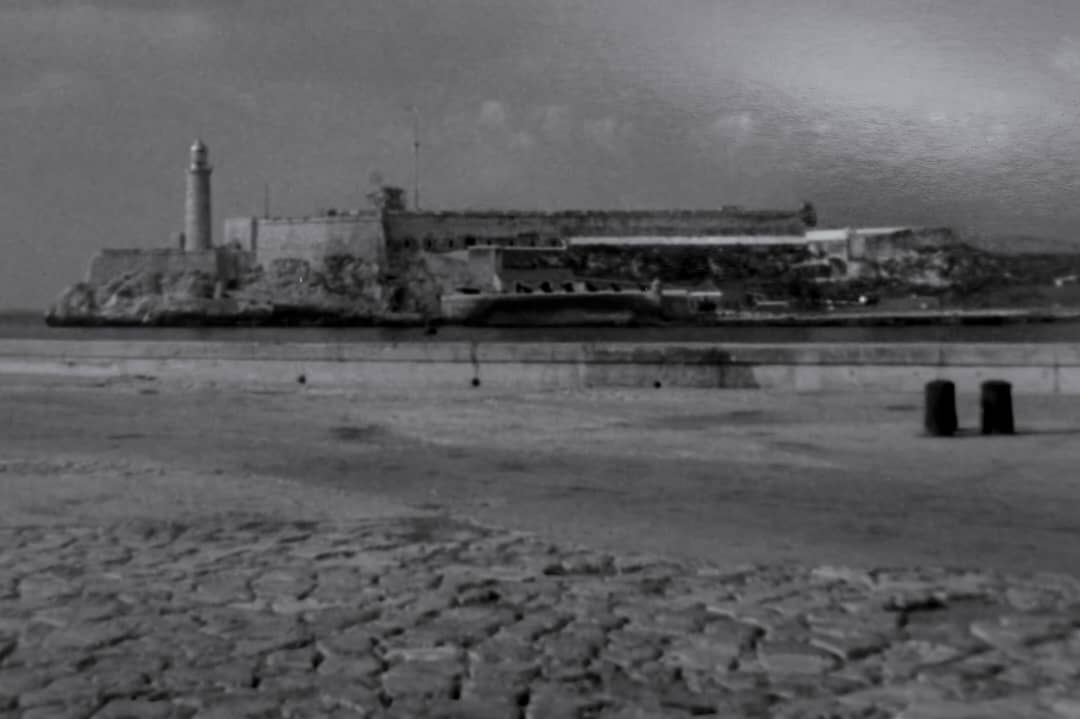
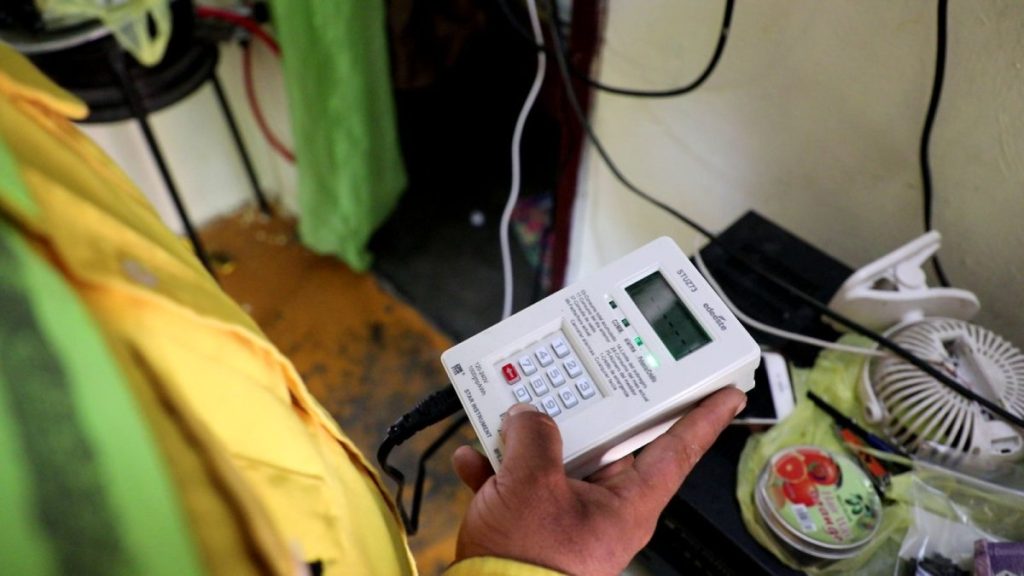
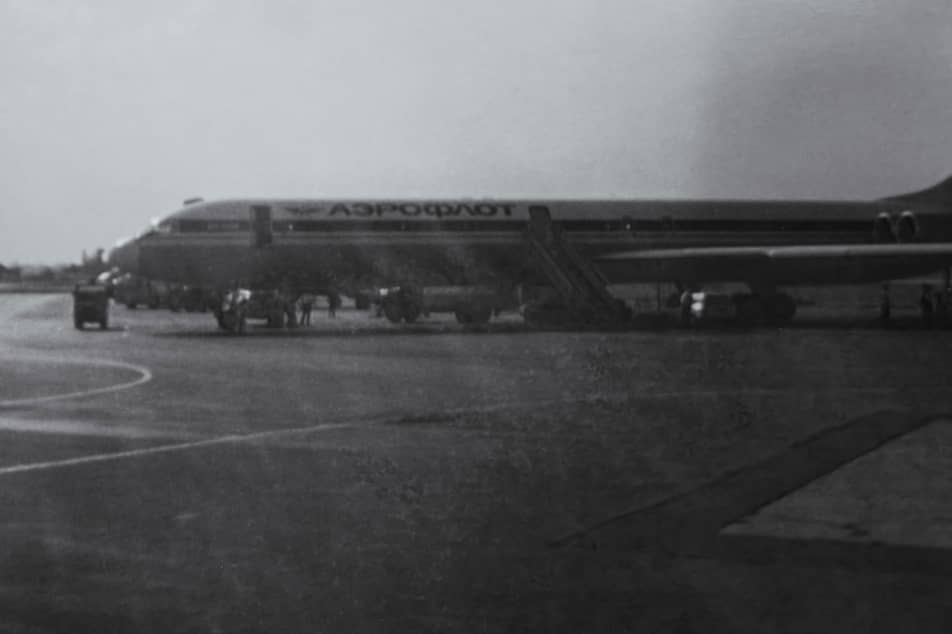
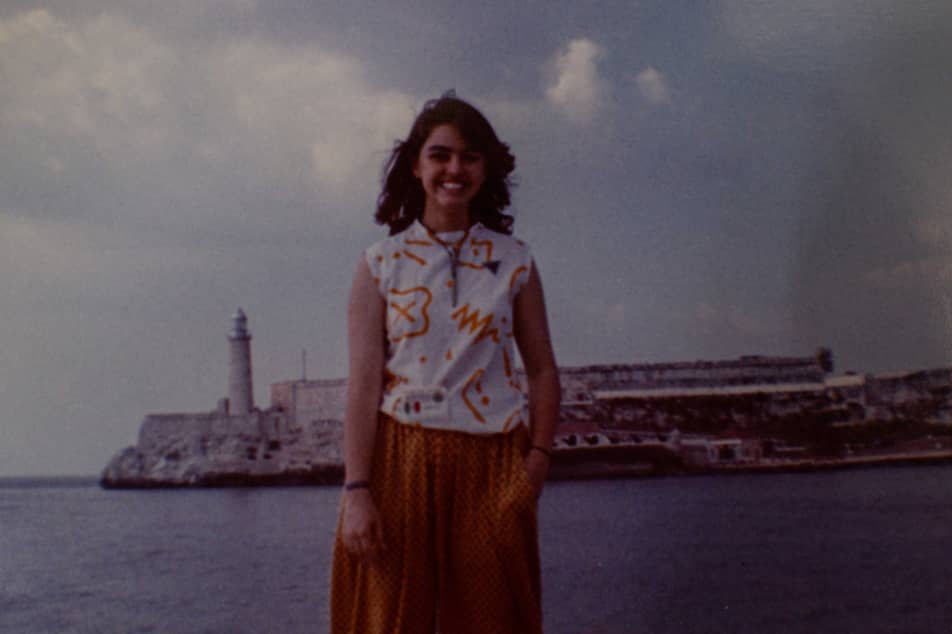
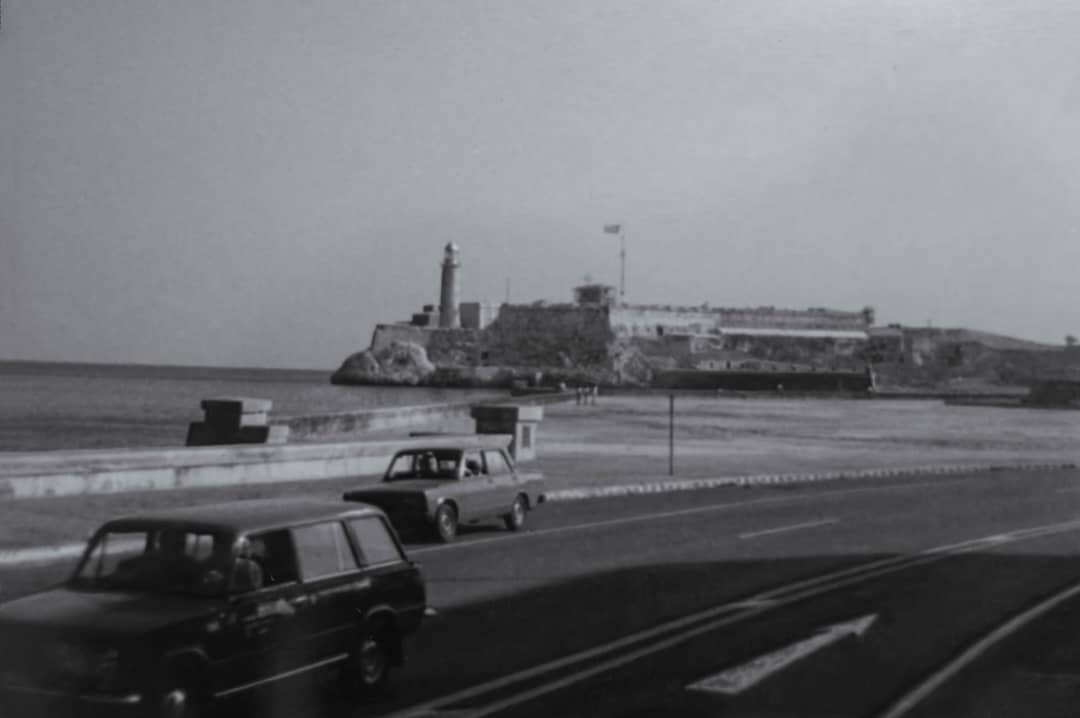
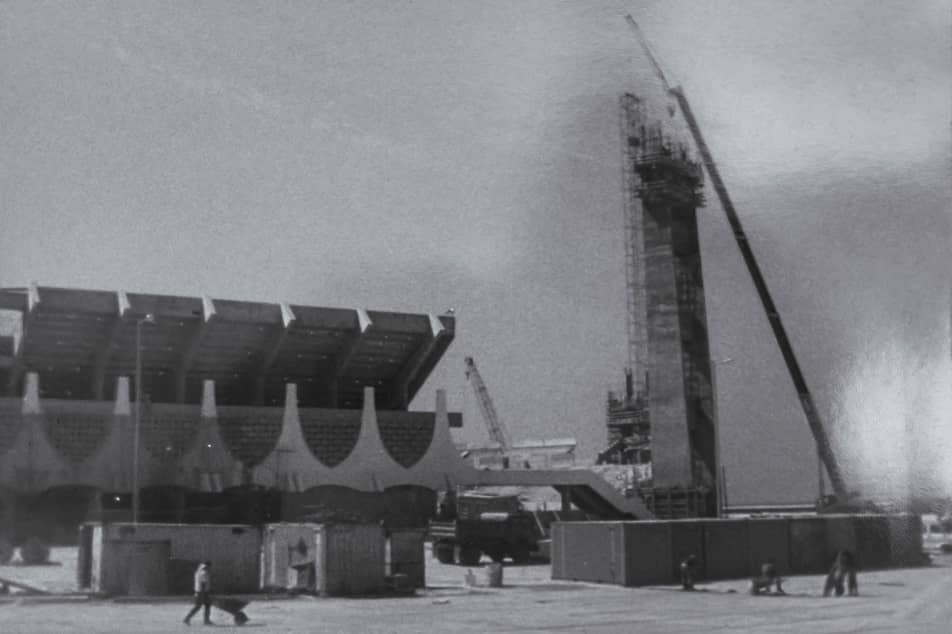
The photos I took then do not have the documentary intention that I would later develop in my work. They are images with frames of intuitive taste. A monumental hotel seen from the street; the silhouette of Morro captured again and again from different points; a stadium under construction for the Pan American Games; a Soviet plane that seemed to come from another world; a modest house with a phrase written on the wall. And I, in the background or in front, always smiling—a smile learned to survive.
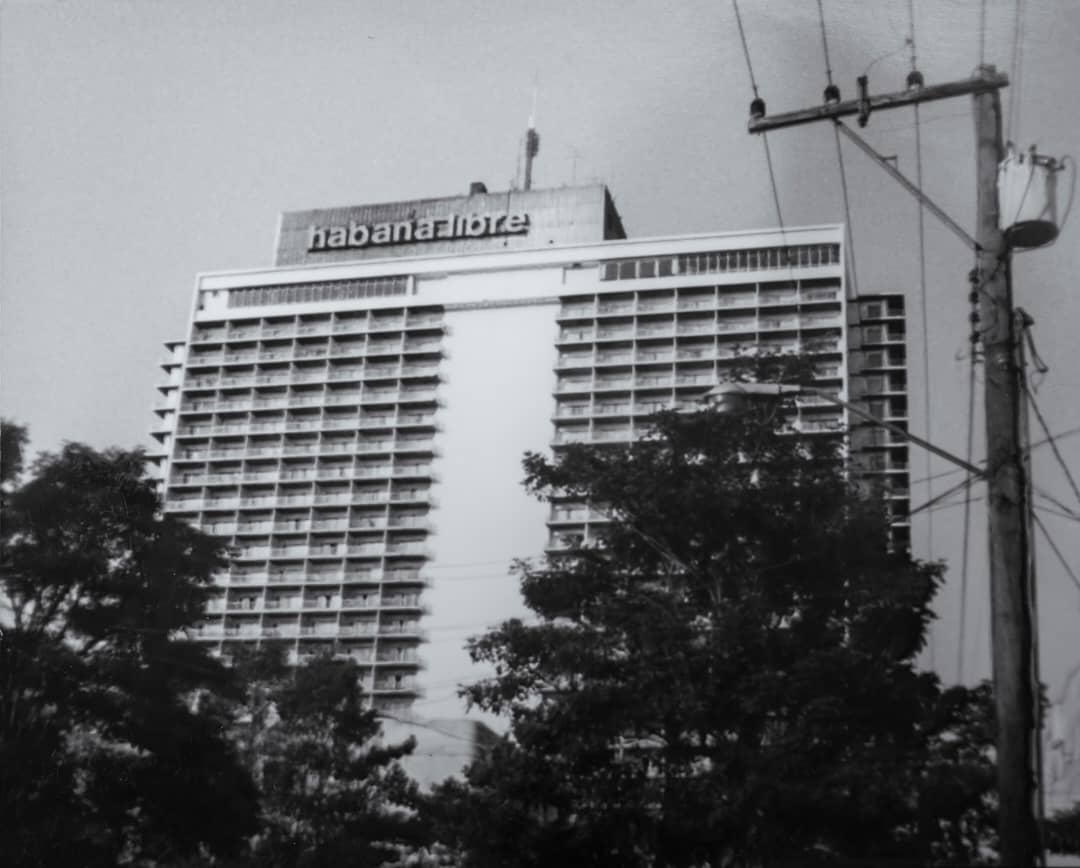
That blurring of old photos is not a technical error, it is the exact language of my adolescence. That’s how I saw it then. That’s how I felt. And so I started looking.
Such photographs record the surface of Cuba, but also the surface of myself, an identity in transition, seeking to hold on to something that does not hurt. On the island I discovered that the camera could be a portable home, a silent refuge, even in the most difficult moments – like years later, when I crossed a river in Tapachula, during Hurricane Stan, with the camera pressed to my chest, holding onto it like someone clinging to a certainty.
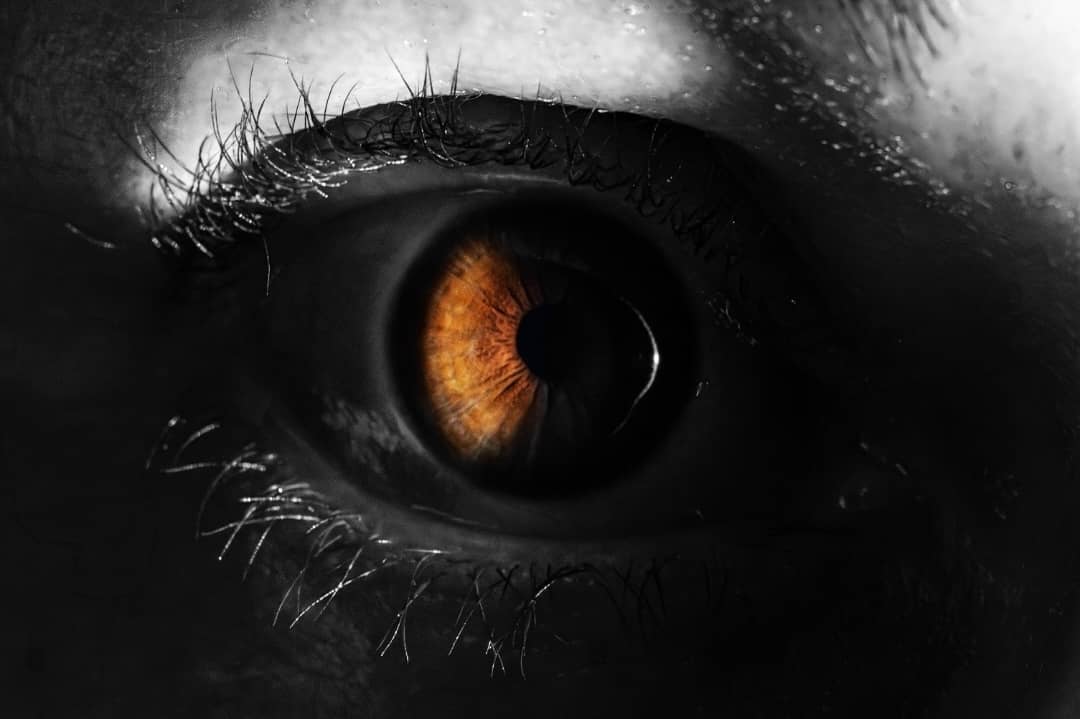
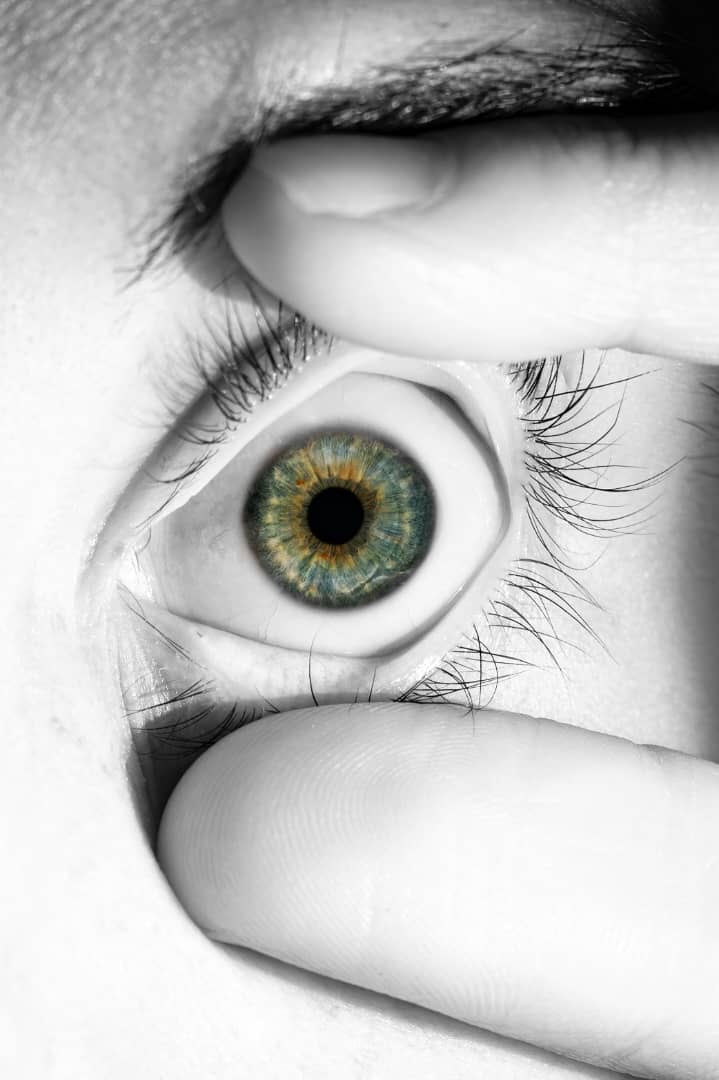
Today, looking back, I understand that one of the most intimate roots of my current work was born in Cuba. ID-MEa project about identity and memory. Because before photographing the iris – that luminous trace that names us – I had photographed, without understanding it, the germ of my own self. The look that began in that plastic Kodak is the same one that today tries to decipher who we are through light.
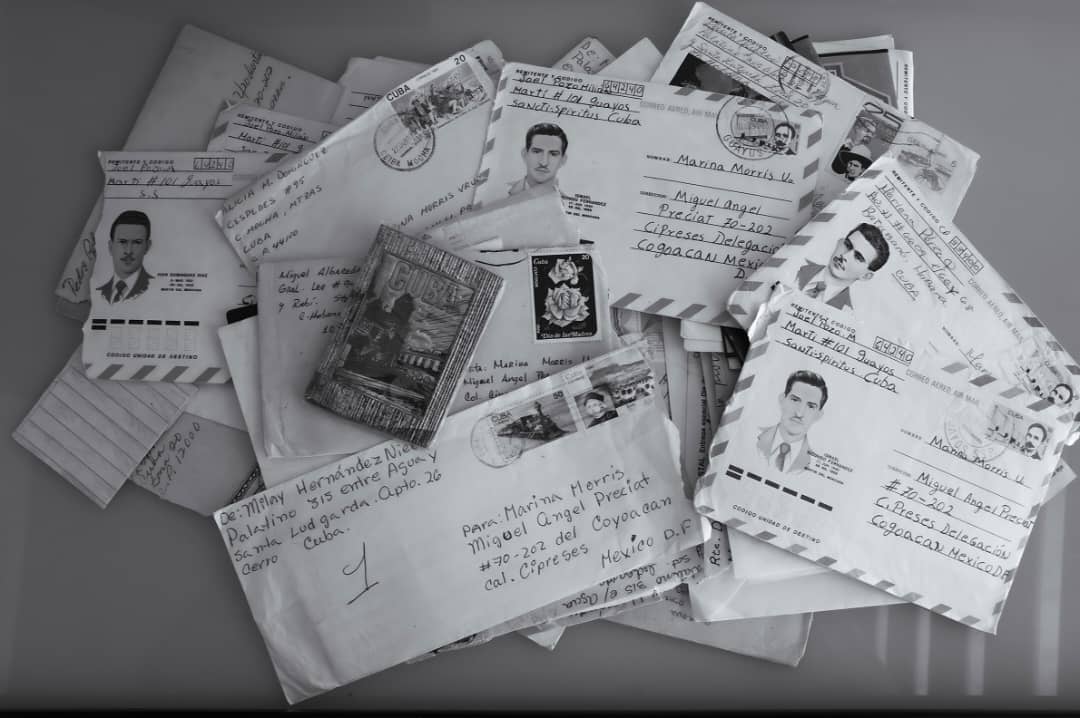
Among my memories I still have a pile of letters that crossed from Cuba to Mexico and from Mexico to Cuba. They are tangible traces of an exchange that, like my photos, was sustained in the human: in brotherhood, in questions, in the possibility of building the life that one dreams of. When I look at them now, I understand that everything began to come together in me from a simple gesture: looking.
These photographs do not seek to explain Cuba. Nor do they seek to explain my past. They are something else: the early trace of an identity that was just forming. The imperfect testimony – and therefore true – of a blurry memory… of me.
I also show examples of his most recent work here. In his own words:
“ID-YO is a visual exploration of identity in the age of biometrics. Using photographs of irises – captured in high resolution and subsequently digitally intervened – the project proposes a reflection on the gaze as a tool of control, poetic sign and vestige of subjectivity. Through the fragmented portrait, ID-YO questions the way in which technology registers, reduces and classifies the human. However, in this exercise of depersonalization, the eye resists: it reveals ancestral traces, invisible emotions and intimate symbols. The series intertwines the scientific, the philosophical and the symbolic in an intense and contemplative visual experience.”
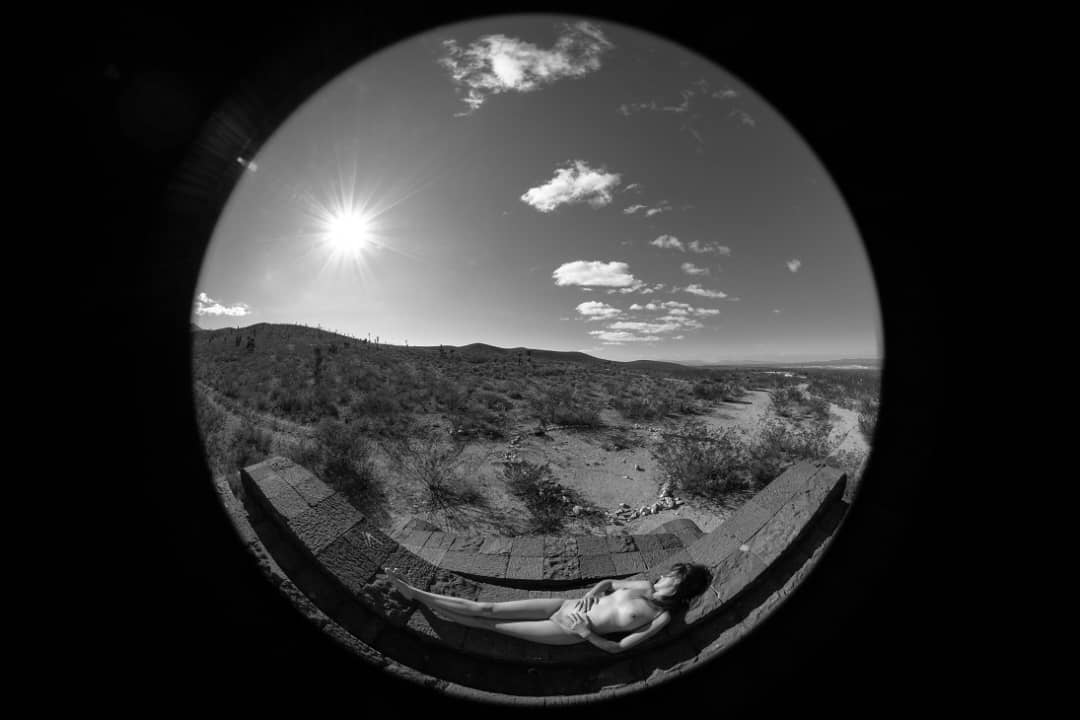
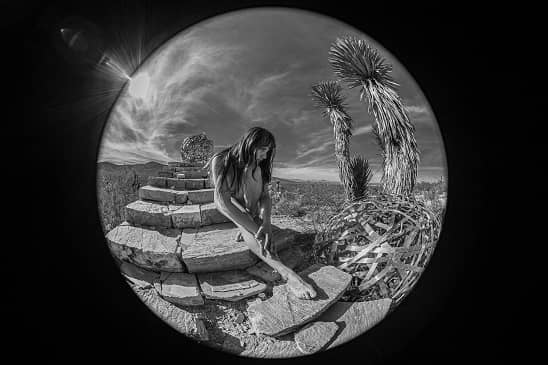
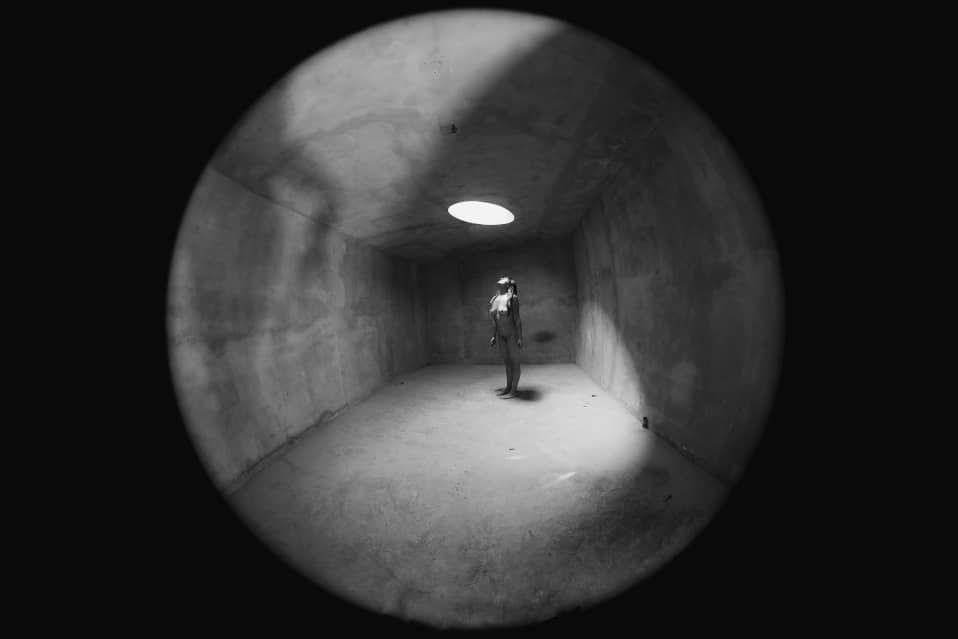
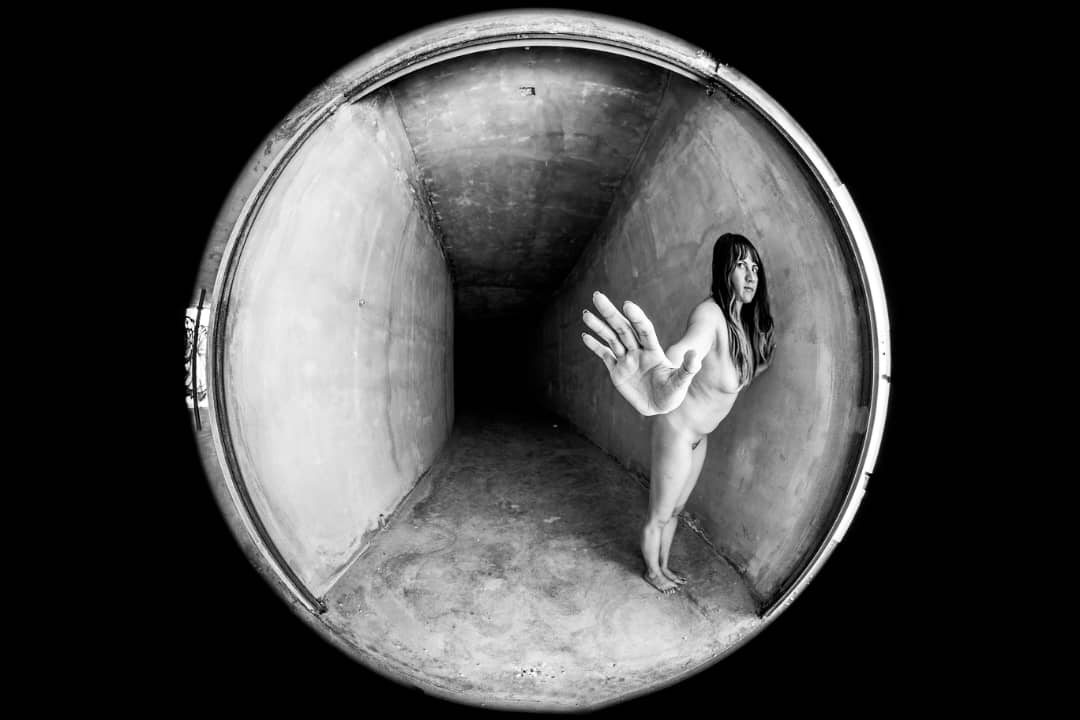
There are also four images belonging to the series Lita in the desert. Marina tells us what this collection is about:
“Lita in the Desert was created in the Desert Garden, an abandoned sculptural space near Real de Catorce, in San Luis Potosí, Mexico. A place suspended in time, where stone, silence and the wind configure an altar for the body that resists. Lita poses naked for the first time in front of my camera. With her brave gesture, her skin open to the dust and the sun, she manages to embody the tension between fragility and strength, between intimate and ancestral. His body not only inhabits the landscape: it claims it. He makes it his own. It transforms it.”
Needless to say, both projects are in full development. Lita in the desert will form a folder –object art– that will probably be completed this year. Meanwhile, for the conclusion of ID-ME, There are still several sessions with photographers and filmmakers whose irises will be captured by Marina’s lens.
Let’s see if we can ever get these valuable collections exhibited in Havana, his kilometer 0 as an artist.