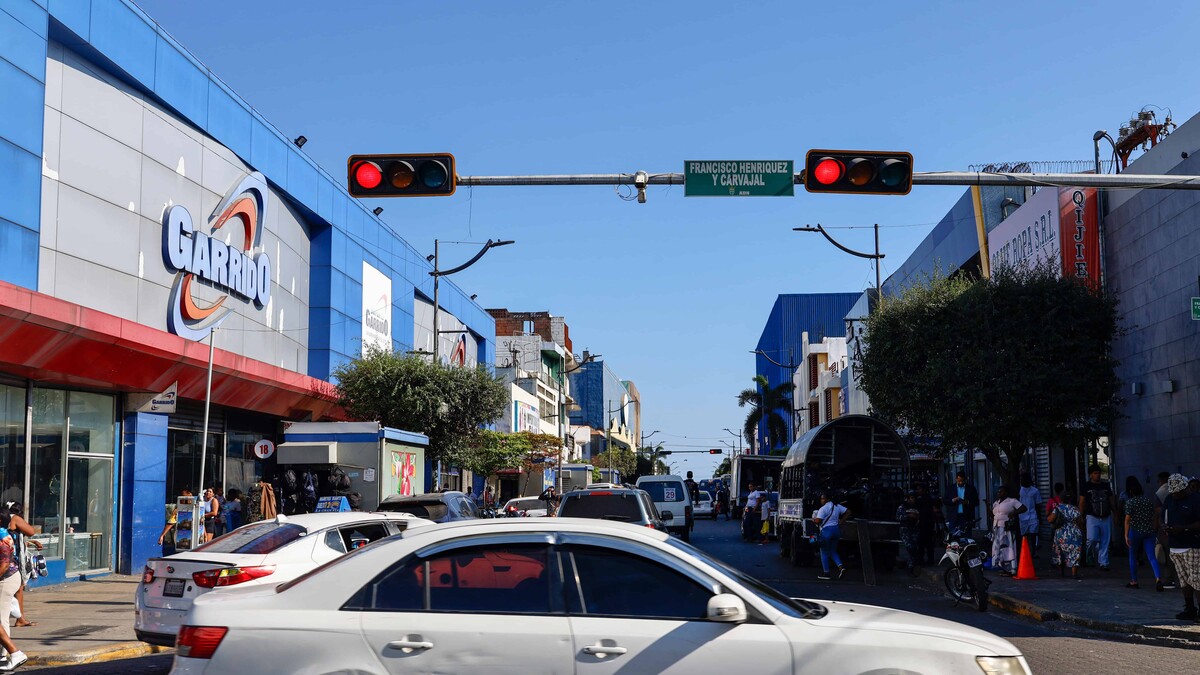
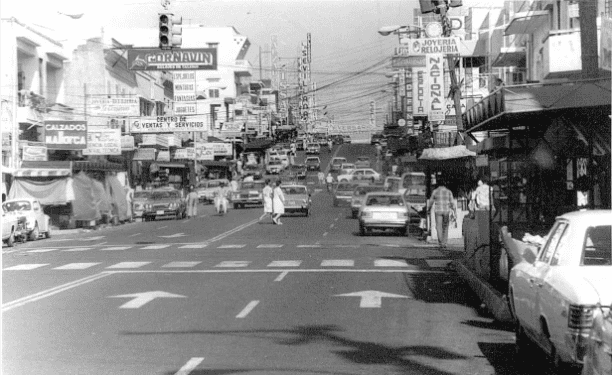
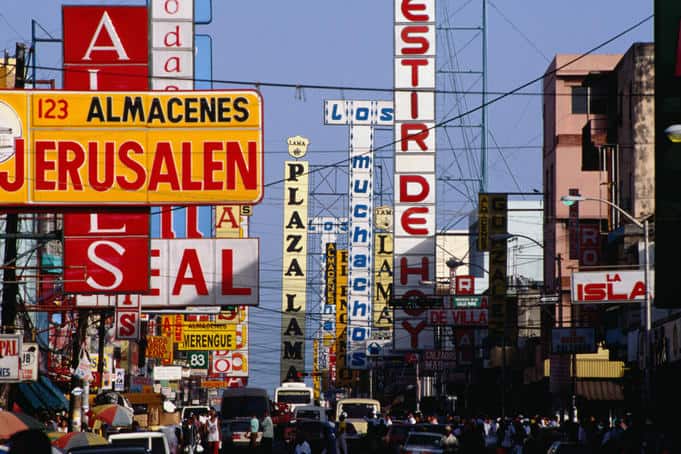
The vertical signs of his stores They were, until November 2003, the most distinctive symbol of the road. This element, together with the influx of people who traveled by vehicle or on foot, as buyers or as passers-by, indicated to whoever was in the area that they had arrived at the main commercial point of the Dominican Republic: the Duarte Avenue.
The little economic development that the country had between the 1960s and 1970s meant that “the Duarte“, as it is popularly known, became the epicenter of the fabric sale and footwear for the rest of the provinces, a commercial domain that, although it has changed in recent times, its associates affirm that it continues to be preponderant.
It is precisely in the 1970s where the begins commercial takeoff of that city road, according to merchants interviewed.
Inaugurated on May 3, 1936under the name of Jose Trujillo Valdezthe avenue has had multiple transformations in its history. The changing times have also forced the owners of stores located on both sides of the capital’s highway to modify their business model to continue operating.

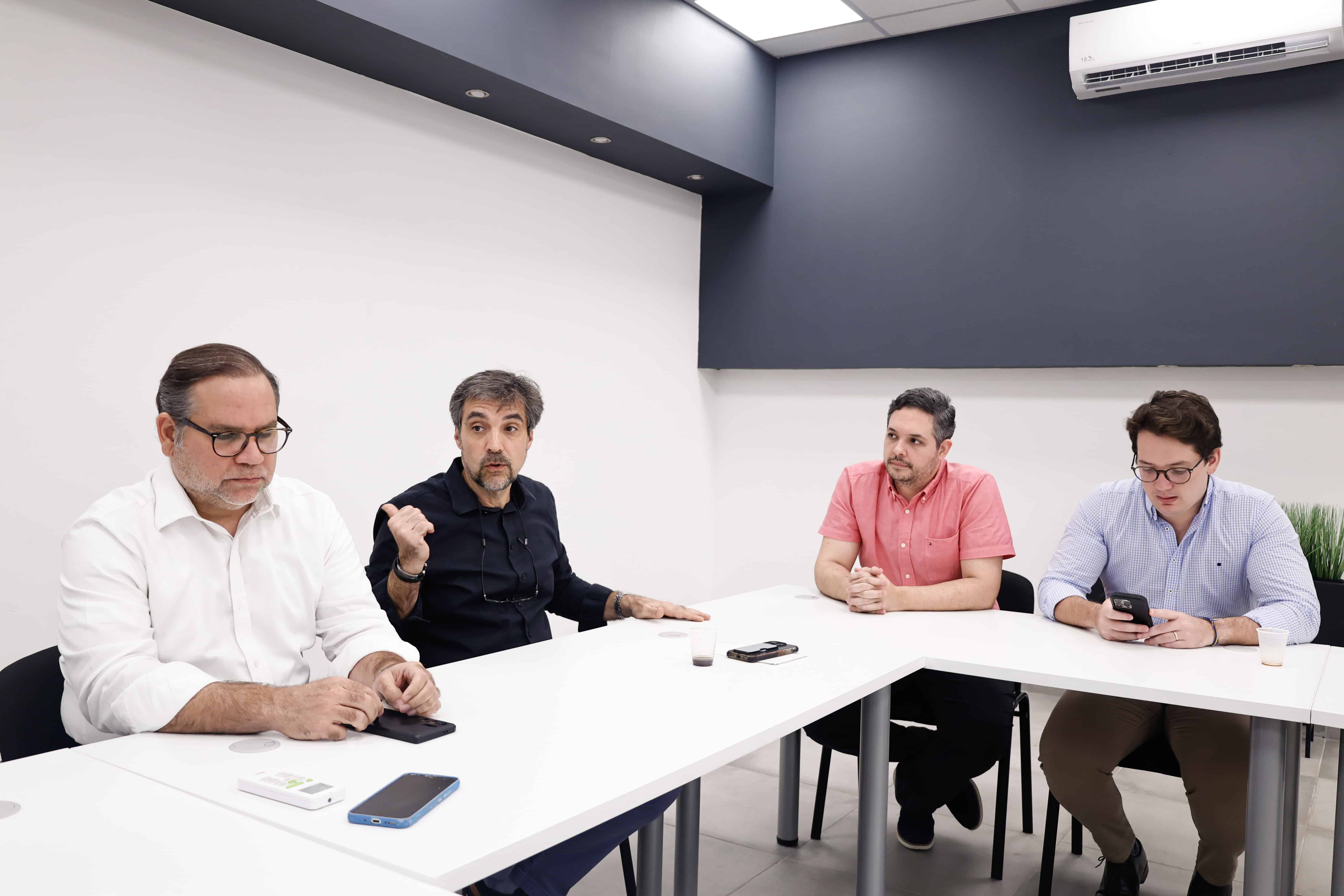
The merchants of the area, grouped in the Association of Businesses of the Avenue Duarte (Asoduarte), they admit that stores that remain in the area have had to evolve, diversifying the items they sell.
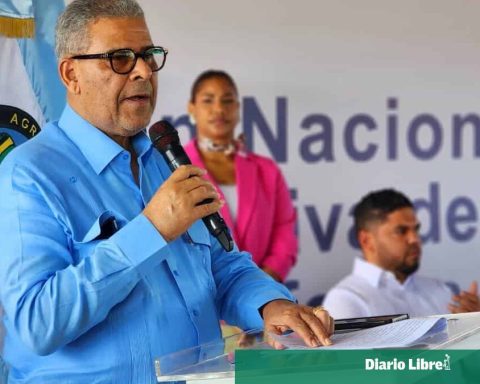
“What I sold was fabric. Nowadays fabric is sold, but not like before, when everything (clothing pieces) had to be made. We now sell clothes made“explains Jose Luis Garciatreasurer of Asoduarte and owner of La Paloma Storesa business that opened in May 1974.
Although he is categorical in stating that the Duarte has not fallen in commercial terms, highlighting the high movement of people in special times, such as school days, Valentine’s Day, Mother’s Day and Three Kings’ Day, among others, recognizes that business diversification what the country is experiencing has made the city no longer a shopping center.
“Before the center (of commerce) It was the city because in the fields there was no stores. All the people from the interior had to move to the city to buy. It’s not like today, there is stores either shopping centers anywhere,” says García.
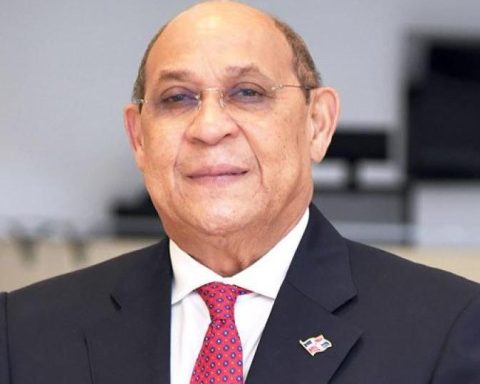
The president of the association, Robert Fernandezagrees with the guild treasurer, indicating that stores emblematic streets of the avenue had to expand their operations to other places as a mechanism to bring their businesses closer to the families.
“Many grew shopping centersmany stores they came out and Duarte has continued. He who seeks anything, in the Duarte you’re going to get it, more economical than anywhere else,” highlights Fernández, also an executive at Garrido, about the impact of that artery.
Store closures
Even though stores emblematic of the Duarte Avenue They continue in operation, others stopped operating. Both Fernández and García point to the generational change of the owners of those establishments and diversification of investments as the cause of the disappearance.
-
“There are stores that made their capital in the first and second generations and perhaps a third understands that this is not the business they wanted and they simply diversify. We know of many people who were storekeepers and who today are doing business, but outside of Duarte. That may be one of the things that I understand has affected,” says the owner of Asoduarte.
Jerusalem Warehouses and Merengue, The IslandEl Canal, among others, are part of the stores that they closed or they moved their premises from the avenue. The entity has felt the loss of members, since from having a membership of 96 members, there are currently 24 left, among stores and hypermarkets.
Newspaper reports establish that the arrival of the first businesses occurred in the 1950swith the arrival of Lama Footwear. Then others were installed, such as the Gran Viainaugurated in 1960.
Problematic
Members of the Avenue Business Association Duarte They cite five of the main problems they face: balesthe internet salesthe internal conflict in Haiti, the trade irregular and transport.
About the bales and purchases for Internetthe executives of Asoduarte criticize that they compete at a disadvantage, because, in the case of the latter, they do not they pay and the former pay a lower amount than the stores formal.
Regarding the issue of internal security in Haiti, Robert Fernandez reveals that due to this situation they have stopped receiving that publicwhich they used to buy at the Duarte Avenue.
Likewise, although they do not refer directly to the asian merchantsstate that “any trade“that does not conform to the laws of the country affects.
“We are affected by any business that does not declare the merchandise as it should be or as it really is; we are affected by any business that does not pay employees the salary that corresponds to them, that does not pay the Social Security Treasury, any benefit they obtain below the law affects us all”President of Asoduarte
Meanwhile, Jose Luis Garcia refers to the transport as one of the difficulties they face, adding that units of the Metropolitan Bus Services Operator do not circulate on the road (WHOSA).
Renovations
The Duarte Avenue and other parallel and perpendicular roads in the area concentrate a large part of the bus stops that communicate to National District and the Greater Santo Domingo with provinces of the country, which generates a significant influx of people and units of transport.
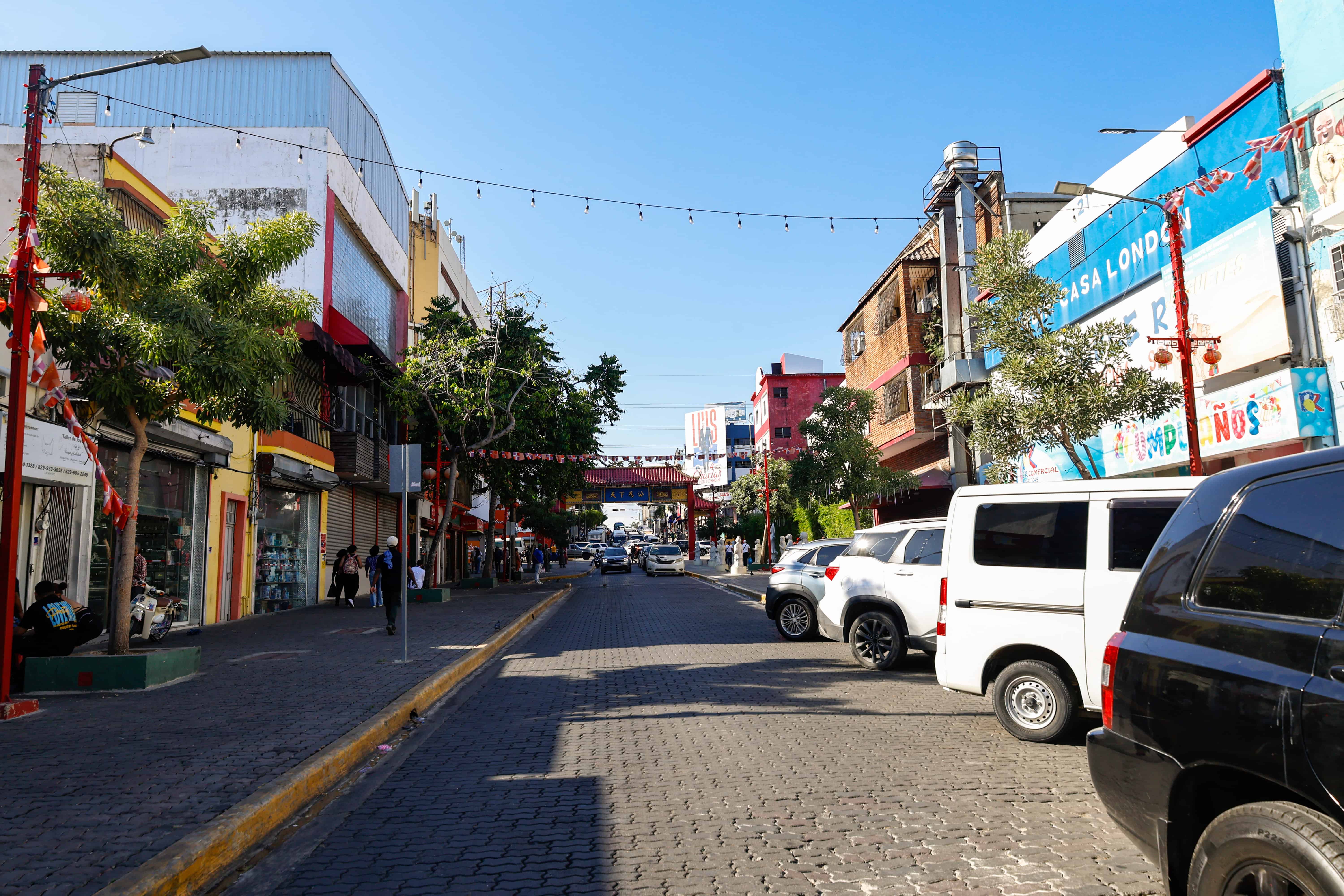
The area has been subjected to reconditioning or renovation work on multiple occasions. remodeling. At the end of March 2003, the then trustee of the National District, Roberto Salcedoannounced that Mexico Avenue and Duarte they would become boulevardsas a way to rescue both routes from suburbanization and disorder.
At the end of that year the dismantling of the vertical signs of business and there was discussion of converting the road into a pedestrian spacewhich contemplated cobble itbury electrical cables and rest benches, among other elements.
Most recent, in 2022the president Luis Abinader delivered the second phase of renovation of the intersection Duarte with Paris.
While Robert Fernandez maintains that “the Duartelike the chameleonit changes and goes away adapting“, his colleague from Fashion Center, Juan Luis Santosalso a member of the association, concludes that this avenue “continues to be the most basic expression of the country’s reality.”