Santo Domingo.– The Dominican Republic is studying the possibility of using sea water both for human consumption, through desalination plants, and for energy production, especially in tourist areas with high demand for drinking water.
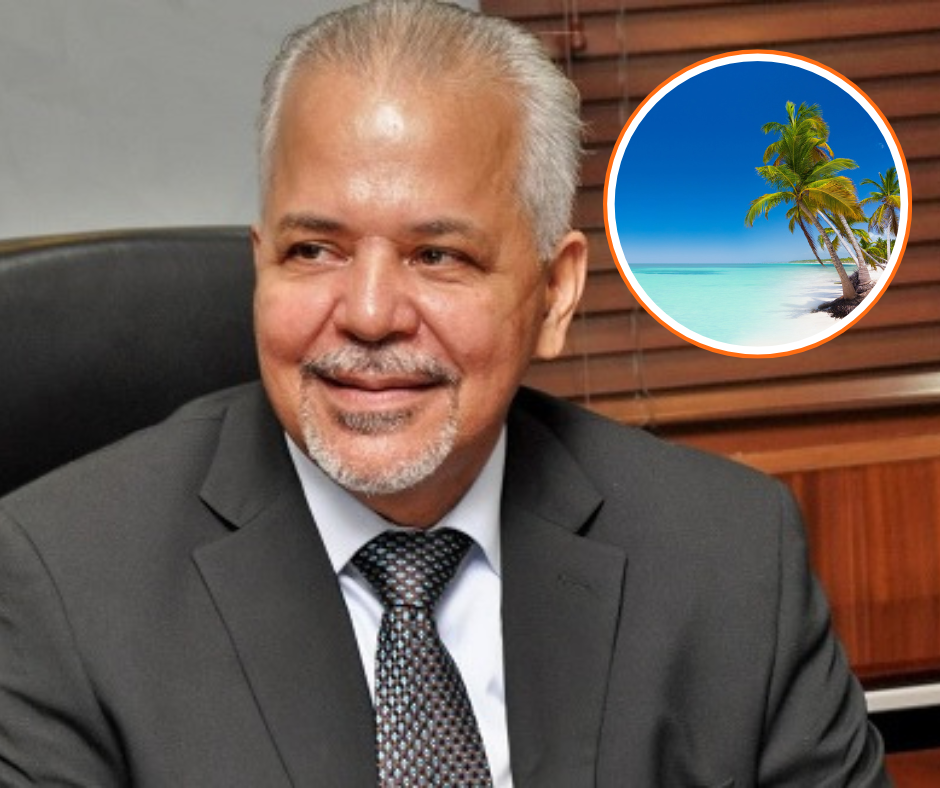
This was stated by engineer Rafael Salazar Rodríguez, general administrator of the Dominican Hydroelectric Generation Company (EGEHID) when interviewed on the morning program Matinal.
“On the issue of desalination there are short-term projects, mainly in the tourist area, that need nearby water, they are being analyzed,” he noted.
Salazar Rodríguez indicated that desalination projects could be feasible in areas such as Higüey and Bávaro, where the proximity to the sea facilitates water extraction and responds to growing needs linked to tourism.
“Now that we are starting these projects and we still have projects for many dams that must be part of the planning, let’s not say 10 years, let’s say 40 years…”, he noted.
“The Central Mountain Range for us is a treasure. About 80% of the water is lost here. Only 13% is being regulated here. Let’s say that the feasibility can be found for the Higüey area, the tourist area that is near the beach and that has problems with desalination of drinking water,” explained Salazar Rodríguez, highlighting that a large part of the resource is lost before it can be used.
Regarding energy generation, the engineer mentioned that there are international experiences that combine marine technologies, such as tidal and wave energy, with desalination plant systems.
“A couple of years ago we visited hybrid offshore projects in Europe, which combined wind energy with the use of wave energy,” he commented.
These models, he said, could serve as a reference for future developments in the Dominican Republic.
Long-term projects and water planning
Rafael Salazar Rodríguez maintained that the country currently has 35 dams, which contribute to irrigation and energy production, although the Eastern region lacks significant reservoirs.
Likewise, he added that to address this gap, the Pact for Water has defined four new dam projects, including the Soco and Higüey rivers, with the aim of guaranteeing drinking water to the populations of the East and meeting the growing demand linked to tourism, especially in the Higüey area.
Salazar Rodríguez pointed out that, although the implementation of desalination plants and marine energy projects involves high technological costs, feasibility exists and long-term planning will allow combining traditional water resources with new technologies, enhancing both the supply of drinking water and the generation of sustainable energy.