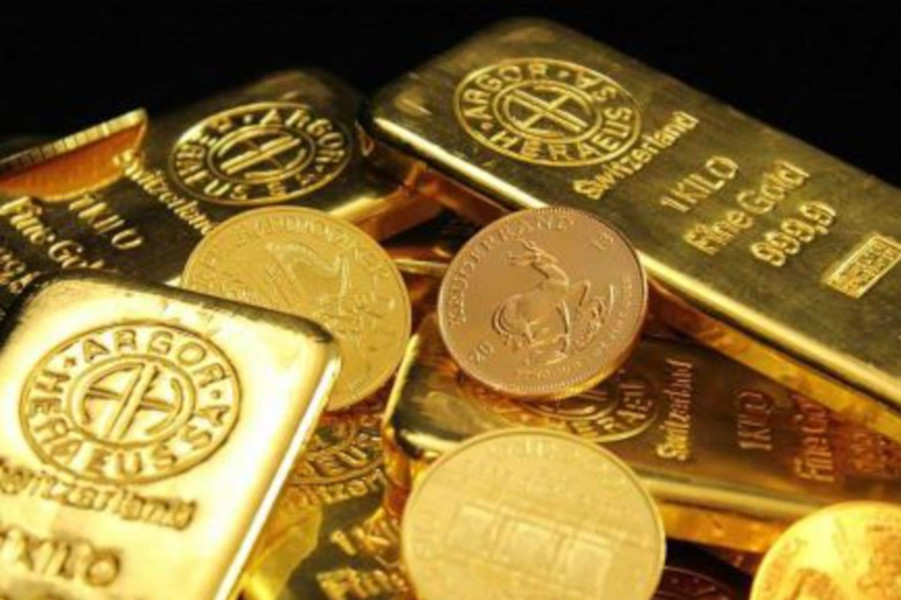
A safe haven asset par excellence, gold has surpassed the barrier of $5,000 per ounce for the first time, a value reached at the end of January. This historical record, which almost five times the symbolic maximum of $1,000 that was set during the 2008 financial crisis, reflects a deep crisis of confidence in the global economic scenario, says Iago Rodríguez in a note for La Razón de España.
According to experts, this acts as an infallible thermometer of global instability. “Gold is the best indicator of the world’s ills,” says Philippe Chalmin, founder of Cercle Cyclope, in statements reported by the French newspaper Liberation.
Unlike previous occasions, where a specific financial shock explained the rise, analysts agree that the current rise responds to a combination of geopolitical and economic factors.
According to Reseña Rodríguez in his note, Nicolas Cracco, general director of the Gold Avenue platform, emphasizes that “it is not a specific economic or financial crisis that dictates this historical price, but a crisis of confidence in the face of a global geopolitical crisis.” Tensions in Ukraine and Gaza, added to other conflict hotspots and the Trump administration’s trade policies, are driving investors away from traditionally safe assets like the dollar.
One of the key drivers behind this escalation is the massive purchases made by the central banks of emerging countries, which seek to reduce their dependence on the US dollar. In the last fifteen years, these institutions have accumulated more than 5,500 tons of gold.
This “de-dollarization” has accelerated significantly after the Russian invasion of Ukraine and Western sanctions. The case of Russia is paradigmatic: its central bank had replaced a large part of its dollar assets with physical gold stored in the country before the conflict. China has also increased its reserves substantially.
The possible departure of Jerome Powell from the Federal Reserve and the appointment of a successor chosen by Donald Trump raises questions about the future independence of the institution, a fundamental pillar of confidence in the dollar. Added to this is the high level of public debt in advanced economies, which leads some investors to take refuge in gold as a hedge against potentially higher inflation in the future, summarizes Rodríguez in La Razón.
UyPress – Uruguayan News Agency