LIMA, Peru – The Donald Trump Administration, through a provision published in the Federal Register, has extended for another year an order that authorizes the detention and inspection of vessels that, from the United States, are heading to Cuba.
“The Cuban government has not demonstrated that it will refrain from the use of excessive force against United States vessels or aircraft that may participate in commemorative activities or peaceful protests in northern Cuba,” the document states, cited by the news agency TASS.
The provision also points out that the unauthorized entry of any US-registered vessel into Cuban territorial waters continues to be detrimental to Washington’s foreign policy, because such entry could facilitate massive migration from the Island.
“It remains the policy of the United States that mass migration from Cuba would endanger the national security of the United States by causing a disruption or threat of disruption of its international relations,” the text warns.
The order was initially signed in 1996 by President Bill Clinton, after the Cuban regime shot down two civilian planes belonging to the Miami-based organization. Brothers to the Rescue.
In 2004, the order prohibited financial and material support for Castroism. The bans were expanded in 2016 and 2018. The order has been extended numerous times.
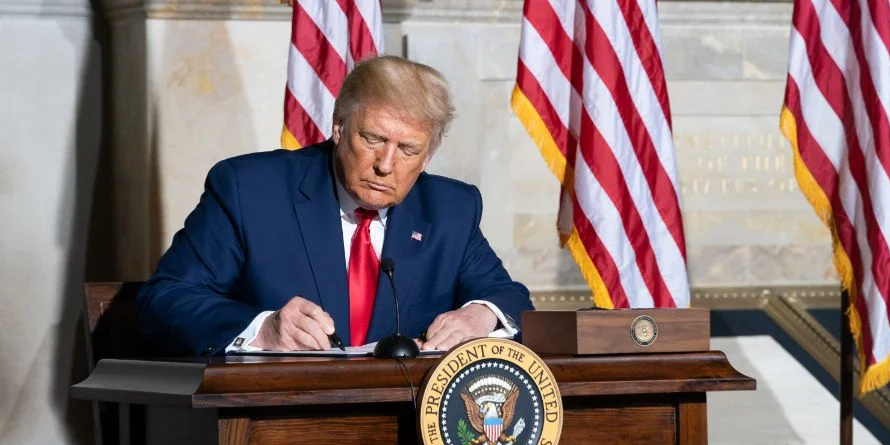
The US president also stated that he was extending “the national emergency with respect to Cuba and the emergency authority” that would allow the detention of ships heading to the Island.
On January 29, Trump declared “national emergency” with respect to Cuba, considering that “the policies, practices and actions” of Havana constitute “an unusual and extraordinary threat” to the national security and foreign policy of the United States.
In the executive orderTrump maintains that Havana “aligns” and “supports” hostile countries and actors, in addition to pointing out organizations such as Hamas and Hezbollah, among others.
A published information by the White House details that Cuba hosts Russia’s largest overseas signals intelligence facility focused on stealing sensitive national security information from the United States and provides safe haven for transnational terrorist groups.
In response to the emergency, the order establishes a “tariff system” that would allow the imposition of an additional tax on imports from countries that “sell” or “provide” oil to Cuba, directly or indirectly.
The document indicates that, “as of the date of entry into force,” this additional rate “may be imposed” on imported goods that are “products” of any country that supplies oil to the Island.