The General Directorate of Internal Taxes (DGII) issued Circular No. 03-2026 on February 16, through which payment facilities are established for taxpayers with tax debts prior to 2020, where the taxpayer may opt for a 70% discount on the surcharges, if they make a single payment; 50% discount on surcharges, if the debt is settled by signing a payment agreement, with a maximum of six equal, consecutive and monthly installments, and an initial payment of 30%.
Furthermore, in article two it indicates that there will be payment facilities for tax debts from 2021 to 2023, of 50% of the surcharges, if you make a single payment; discount of 40% of the surcharges, if the debt is settled by signing a payment agreement, with a maximum of six equal, consecutive and monthly installments, and an initial payment of 30%.
It details that taxpayers will be able to benefit from these discounts that will be applied to the amount of the surcharges, having to pay all of the compensatory interest.
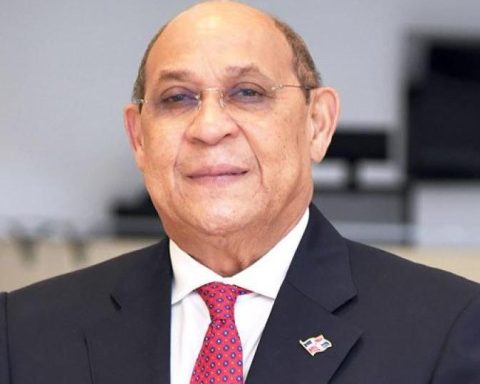
The circular is signed by the general director of the DGII, Pedro Urrutia Sangiovanni, and says that it came into force as of 02/13/2026.

In article three of the circular it indicates that this will apply to all tax debt for the indicated fiscal periods, regardless of the type of tax or process that gave rise to it. It will also apply to all those taxpayers who voluntarily present themselves to make their declarations, whether they have failed to do so or have made rectifications.
“When the debt is the product of a determination by an inspection process, both desktop and external, the same treatment will be granted to debts from periods subsequent to those audited, as long as they are generated by the voluntary rectification by the taxpayer of the points observed in the inspection or by the effects of the same, that is, by the reduction of balances in favor and losses,” he highlights.
The circular establishes that in order to grant any of the facilities described above, taxpayers must meet all of the following requirements:
a) Not being under an investigation process for fraud before the Tax Administration.
b) If you choose to subscribe to a payment agreement, it must be requested in accordance with the internal policies established for such purposes.
Furthermore, if the taxpayer has breached any payment agreement signed during the last year up to the date of this circular, he or she may only benefit by making the single payment.
The document shared via the web by various media outlets indicates that the granting of the payment facilities described above must be approved by the Local Administrator whose office the taxpayer corresponds to, or by the Collections Manager, if it involves collections in a coercive period.
Also for debts whose surcharge amounts exceed RD$5 million, the approval of the general director or the deputy director of Compliance Management or the deputy director of Facilitation and Services will be required (the latter may only authorize when the corresponding case is in the Collections Management).
And the facilities granted to taxpayers who belong to the Large Taxpayer Management must be authorized by their Manager. In the event that the sum of the surcharges involved exceeds the amount of RD$10 million, they must be previously submitted to the approval of the general director or the deputy director of Compliance Management.
Another detail established in the circular is that the expiration of a payment agreement installment will give rise to the loss of the term or terms granted, and thereby terminate the agreement itself due to non-compliance, empowering the DGII to initiate the compulsory collection procedures established in the Tax Code.
Furthermore, failure to comply with the payment agreement implies its revocation, rendering the benefits of this circular void. The installments paid will be credited to the total debt according to the order of priority established in the Law. Once the coercive collection has begun, the taxpayer must make a single payment to stop the course of the procedures, as long as it is accepted by the Administration.