The escalation of tensions between Washington and Havana, and the possibility, after the Venezuelan example, of a US military intervention, have led the Cuban Government to dust off its military doctrine of “War of All the People.”
This concept, devised more than 40 years ago by former President Fidel Castro in the face of a potential asymmetric confrontation with Washington, did not seek so much to repel a US invasion as to make the military, economic and human costs of an occupation terribly onerous.
“The deterrent factor always worked a lot: if you throw yourself here you are going to leave many dead: think about it a lot,” he summarizes to EFE Fabio Fernandezprofessor of History at the University of Havana.
The idea, he explains, took hold in the 1980s, when Castro was certain that the USSR would not intervene on his behalf if President Ronald Reagan’s belligerent US attacked Cuba.
The island would have to defend itself, Castro concluded, and the only viable option was a “gigantic citizen mobilization” throughout the country based on the defensive experiences of Vietnam and Afghanistan, Fernández points out.
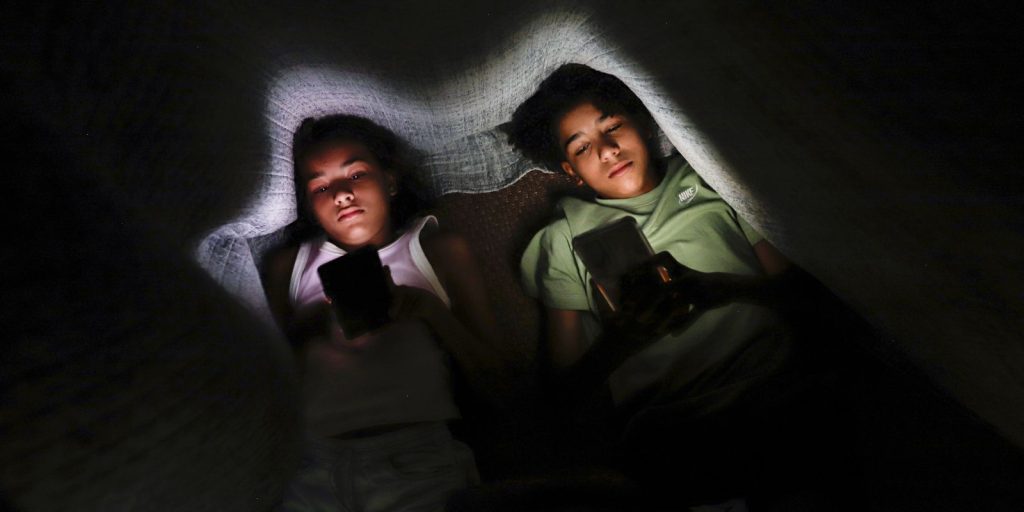
The doctrine therefore consisted of the launch of “focuses of resistance” based on “popular militias” stationed in each municipality and the involvement of “women, the elderly, children and adolescents” in other support and logistical tasks from the rear, in the so-called “production and defense units.”
In Castro’s speeches recovered these days on state television, the former president advocated a system that guaranteed “national unity” under the leadership of the Communist Party of Cuba (PCC, the only legal one) and in which each citizen had “a place, a method and a means to fight, guaranteeing the defense of the territory.”
Weekly practices
Since the capture in a US military operation of the president of Venezuela, Nicolás Maduro, the Cuban authorities have established a weekly day of military practices called Defense Day, with territorial exercises of “combative preparation” that are part of the “plans and measures” against a “possible US military aggression.”
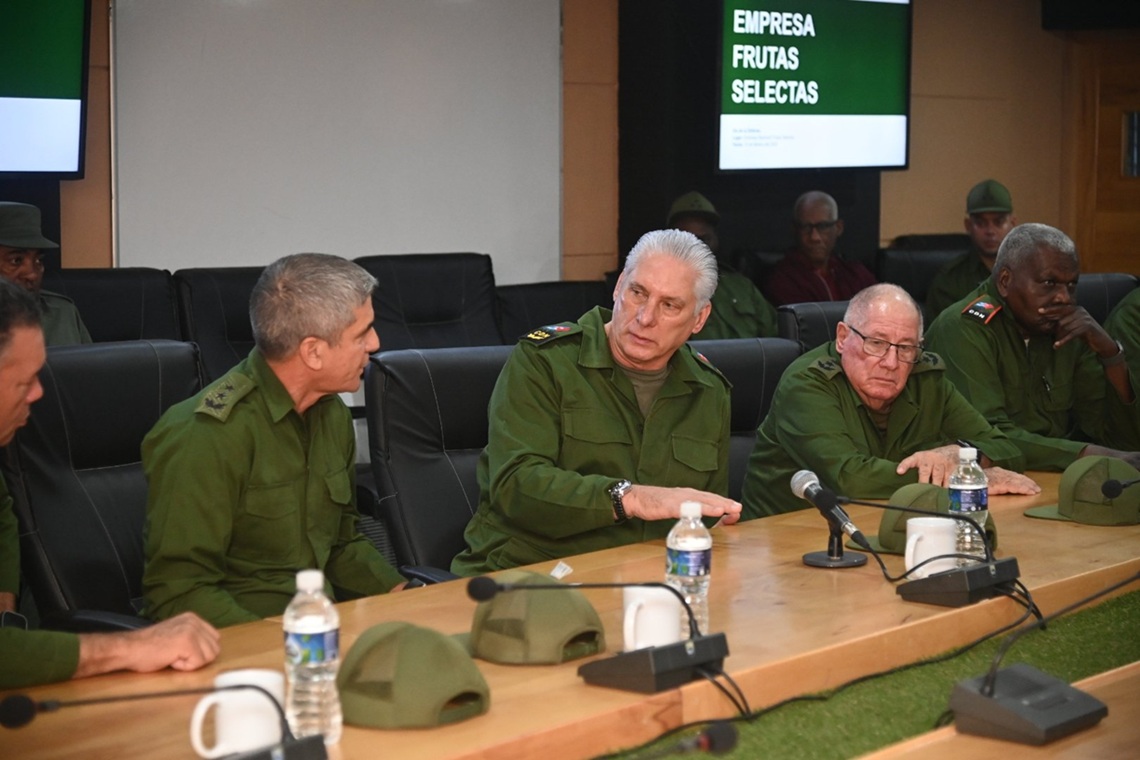
The official media have extensively reported on these exercises, which the Cuban president, Miguel Díaz-Canel, has attended, along with senior military commanders, visiting tank units and anti-aircraft defense systems, or speaking with university students during shooting practice.
The last occasion was this Friday, in the Havana neighborhood of El Cerro.
These exercises have included ambush rehearsals and training for the installation of mines, throwing grenades, protection of the population and military health classes, defense against weapons of mass destruction, handling of the AKM rifle and masking techniques, according to state press reports.
The production and defense Brigades, for their part, have practiced the assembly and disassembly of rifles, the application of first aid, shooting with infantry and artillery weapons, the use of drones and communications media, the preparation of food and the supply of water.
| This Friday, on National Defense Day, the President of the National Defense Council, @DiazCanelBled a day of preparation that took place in the “Armed” Defense Zone in the capital municipality of Cerro.
| https://t.co/zy2QaSU81r pic.twitter.com/9ls8vqupuh
— Presidency Cuba (@PresidenciaCuba) February 13, 2026
“A very different situation”
However, bringing a doctrine from decades ago to the present day entails problems of fit, points out Fernández. The island is currently in “a very different situation,” says this university professor.
Today, Cuba is an “aging society, marked by migratory flows,” with “30 years of crisis” behind it. Furthermore, he argues, on the island “the political consensus has been broken in many aspects”, the “cross-cutting involvement” has deteriorated, the “logic of permanent military mobilization does not exist” and the “leadership is not what it used to be.”
Fernández also indicates that in the 1980s Cuba was among the main military powers in the world, but currently its equipment is obsolete and its defensive capabilities are diminished.
“I don’t have much confidence that this model of organized resistance has the same capacity that it once had to confront an intervention, an invasion; although it should not be underestimated either,” he says.
Fernández considers that nationalism in Cuba can emerge as a unifying element in the event of a US intervention and that “levels of organization to respond to the attack” are registered.
As decades ago, he adds, the doctrine of “War of All the People” can continue to have a “deterrent element.”
Raquel Martori / EFE