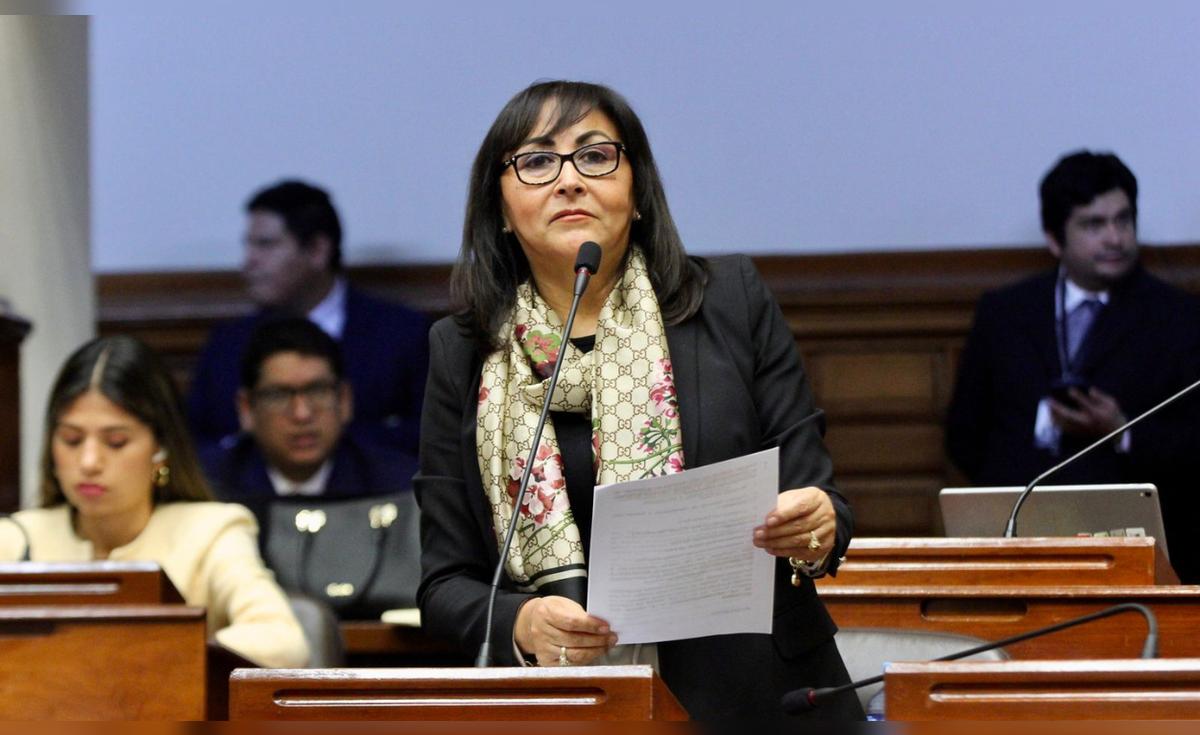
Congresswoman Milagros Jáuregui, who has recently been in controversy for having publicly exposed sexually abused girlshas promoted or supported 30 bills linked to sexual education, family, gender identity and public reproductive health policies.
Of this set, six initiatives have already been approved and enacted, configuring a regulatory change that, according to specialists and civil groups, restricts access to information, services and recognition of rights for girls, adolescents, women and LGBTIQ+ people.
WE RECOMMEND YOU
IS JOSÉ JERÍ LEAVING? AND ELECTIONS 2026 | WITHOUT SCRIPT WITH ROSA MARÍA PALACIOS #FEEG2026
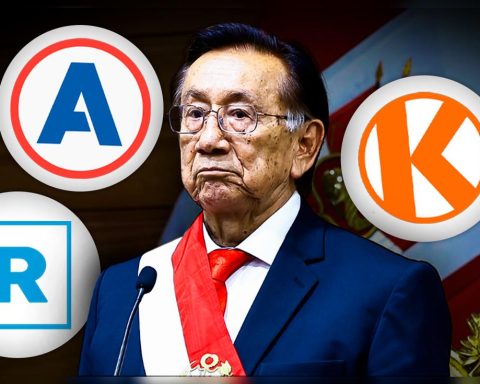
The report made by the Salud con Lupa portal documents that these proposals advanced with the support of groups such as Popular Renewal, Popular Force, Alliance for Progress and Somos Perúwhich allowed the consolidation of majorities in committees and the Plenary.
Six current regulations and their main effects
1) Restrictions on comprehensive sexual education (ESI) content.
One of the approved standards establishes new guidelines for educational materials and parental participation in the review of content. Public health experts warn that the measure may limit scientific information on teenage pregnancy prevention, consent and diversity, by subjecting content to non-technical criteria.
2) Changes in care protocols for sexual and reproductive health.
Another law introduces administrative modifications that, according to medical organizations, add barriers to access to services linked to therapeutic abortion permitted by Peruvian legislation. Criticism points to greater requirements and delays that especially impact rural areas.
3) Regulations on gender focus in public policies.
A norm was approved that redefines or conditions the use of the gender approach in state programs. Specialists maintain that ambiguous wording can weaken instruments to prevent gender-based violence and structural inequalities.
4) Provisions relating to gender identity in records and procedures.
One of the initiatives limits administrative procedures linked to the recognition of gender identity, restricting ways to adjust data in official documents. LGBTIQ+ groups point out that the measure increases exposure to discrimination in public services.
5) Modifications in violence prevention guidelines in the school environment.
The standard introduces changes in intervention protocols and preventive materials. Children’s organizations warn that the reduction of specific content on gender violence and diversity can affect the early detection and protection of students.
6) Adjustments to family protection and community participation policies.
The sixth law prioritizes certain “family protection” criteria in state programs and social participation mechanisms. Analysts point out that its application could displace individual rights approaches with more restrictive frameworks in education and health.
Political support and public debate
The advancement of these regulations cannot be explained by a single bench. The report records votes and cross endorsements of the political parties. Popular Renewal, Popular Force, Alliance for Progress and Somos Perúwhich reflects the similarity of thought of conservative sectors on gender and family issues.
For their part, promoters of the initiatives maintain that the regulations seek to strengthen family participation in education, organize public policies and protect cultural values. The debate, therefore, has also moved to the constitutional field, where jurists discuss the compatibility of some provisions with human rights standards and international obligations of the Peruvian State.
Women’s organizations and LGBTIQ+ groups report practical effects such as a reduction in preventive content in schools, greater uncertainty in reproductive health care, and administrative obstacles to identity recognition.