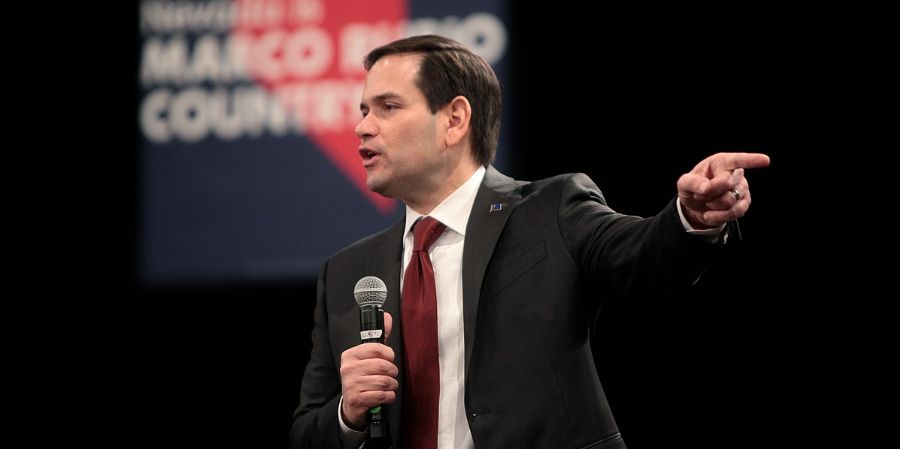
LIMA, Peru – United States Secretary of State, Marco Rubio, offered an interview to Bloomberg this weekend as part of its participation in the Munich Security Conference. During the exchange, in addition to Washington’s relationship with Europe, the Republican addressed the issue of Cuba.
According to the Cuban-American politician, one of the main obstacles on the Island is the lack of an effective economy.
“The fundamental problem that Cuba has is that it does not have an economy; and the people who are in charge of that country do not know how to improve the daily life of their people without giving up the power of the sectors they control,” Rubio highlighted.
“They want to control everything,” stressed the Secretary of State, ensuring that the regime in Havana refuses to cede any type of power to the citizens. This situation has been a straitjacket for the dictatorship from which they do not want to escape.
In this regard, Rubio pointed out that Cuban leaders have been offered opportunities and “they do not seem capable of understanding or accepting them in any way.” According to the Republican leader, “they would rather be in charge of a dying country than allow it to prosper.”
At one point in the conversation, Rubio refused to confirm whether the United States is willing to promote a regime change on the island, although he endorsed his desire for an opening in the Caribbean country.
“I’m not going to tell you or announce it in an interview, because obviously these things require space and time to do correctly. But I will say this: it is important that the people of Cuba have more freedom, not only political but economic.”
In his words, that is what the Castro tyranny avoids doing, because it fears that Cubans will be able to support themselves and lose control over them.
At the end of last January, during a Senate hearing dedicated to exposing the US Government’s plans for Venezuela, Rubio also delved into the issue, stating that the President’s Administration donald trump He would “love” to see a regime change in Cuba, although he maintained that this does not imply that Washington is going to cause it.
In a context of verbal escalation between Havana and Washington after the military operation on January 3 in Caracas that led to the capture of the then Venezuelan dictator Nicolas Madurothe Secretary of State told the legislators: “We would like to, but that does not mean that we are going to provoke a change, although we would love to see it. There is no doubt that it would be a great benefit for the United States if Cuba were no longer governed by an autocratic regime.”
Asked if the United States plans to use military power or other forms of coercion to promote regime change on the island, Rubio responded that the US legal framework delimits the issue. In that exchange, he maintained: “The US embargo against Cuba is codified. It was codified in law and requires a regime change so that we can lift the embargo.”
In legal terms, the Helms-Burton Law (LIBERTAD Law) established parts of the sanctions regime in statute and establishes conditions to suspend or end the embargo, linked to presidential determinations on the existence of a “transitional government” and, later, a “democratically elected government” in Cuba.