San José de las Lajas/At seven in the morning, when the San José de las Lajas identity card office should be getting into rhythm, fatigue is already spreading through the room. The metal chairs, aligned with a discipline that contrasts with the disorder of the procedures, are occupied by resigned bodies: men with caps, women with large bags, elderly people looking at the floor and young people killing time with the phone. In a corner, two girls play by sliding their finger on a screen, oblivious to the procedure that brought their mothers there. The ceiling fan spins slowly, as if it were also rationing energy.
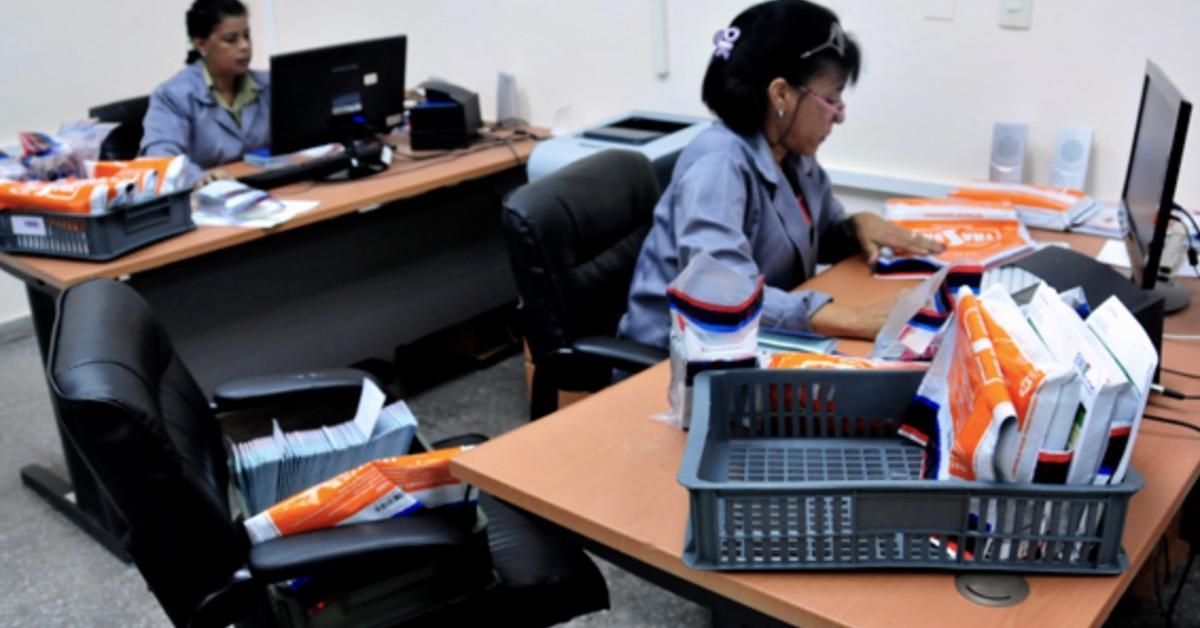
Doing any task in this office of the Ministry of the Interior has become an exercise in resistance. Not only because of the usual bureaucracy, but because the administrative collapse is now joined by the so-called “reorganization program” that the Government has imposed in the face of the energy crisis. In practice, that means unexpected power outages, interrupted schedules, computers that shut down in the middle of a procedure, and employees who often ask for patience as the only possible response.
Yesenia knows it well. He lives in the Jamaica neighborhood, at the other end of the city, and this is the third time he has repeated the same routine. “I come at five in the morning to queue, I spend three or four hours watching so that no one sneaks in, and when I finally sit down in front of the computer, the power goes out or they tell me that there is no material to make the card,” he says. He has been without identification for almost a month, after losing all his documents. Just getting to the office, on 13th Avenue, costs no less than 500 pesos in transportation. “Once is complicated. Three times is a lack of respect,” he summarizes.
Just getting to the office, on 13th Avenue, costs no less than 500 pesos in transportation.
At eleven in the morning, Yesenia manages to sit in front of the bureau. The employee half listens to her and gets up to go to another department, leaving her with the sentence halfway. “It’s taking about forty minutes for each procedure,” she says, looking at the clock. “You have to have infinite patience.” The official schedule, from seven in the morning to four in the afternoon, is more of a theoretical reference. Blackouts, equipment breakdowns and lack of connection turn every day into Russian roulette.
In this unequal game, not everyone bets with the same cards. Sergio waits sitting in the living room, calm, with no signs of having gotten up early. “One of the girls here is going to help me,” he says quietly. You process a passport and know that the process can take a month and a half or more, but you also know that there are shortcuts. “If you’re in a hurry, you have no choice but to pay the stamps at the price they ask you on the street and drop something in here,” he explains. His son sent him dollars for that. “It’s the only way not to spend another New Year’s Eve in Cuba.”
The gesture with which he greets the office worker when she enters the room confirms that there are unwritten rules. Sergio hopes to have the passport in about ten days. He doesn’t know exactly how his acquaintance speeds things up, but he’s sure he’s not the only one who benefits. Meanwhile, others continue counting the times they have come without resolving anything.
Isis carries a different story, although just as exhausting. He tries to correct an error on his daughter’s minor card. First it was a misspelled last name. Then, an accent that was missing from the name. Now, a wrong number in the date of birth. “I check the data on the screen and everything is fine, but when they print, it comes out wrong,” he says, without hiding his annoyance. For her, the problem is not only the lack of resources, but the total absence of empathy. “They have no interest in what they do,” he laments.
In four months she has been assisted by different employees, almost all of them with obvious difficulties in using the computer.
The major in charge of the office has promised her that this time there will be no mistakes, but Isis is distrustful. In four months she has been served by different employees, almost all of them with obvious difficulties in using the computer. “I don’t think they are well trained,” he says. And he clarifies that his case is not an exception. “Here you make new friends from meeting the same people so many times, all trapped by bureaucracy.”
The images of the living room reinforce that feeling of endless waiting. A television on in the background broadcasts without sound; The blinds let in opaque light that does not relieve the heat. Outside, the city continues its slow pace, also marked by blackouts and fuel shortages.
In San José de las Lajas, obtaining or correcting an identity document is no longer just a procedure: it is a test of endurance. The “contingency plan”, as the authorities also call it, has added another layer of uncertainty to a system that is already full of setbacks. Between early mornings, blackouts, repeated mistakes and paid favors, lajeros learn that, to exist on paper, you must first survive the wait.