By Juan Carlos Espinosa
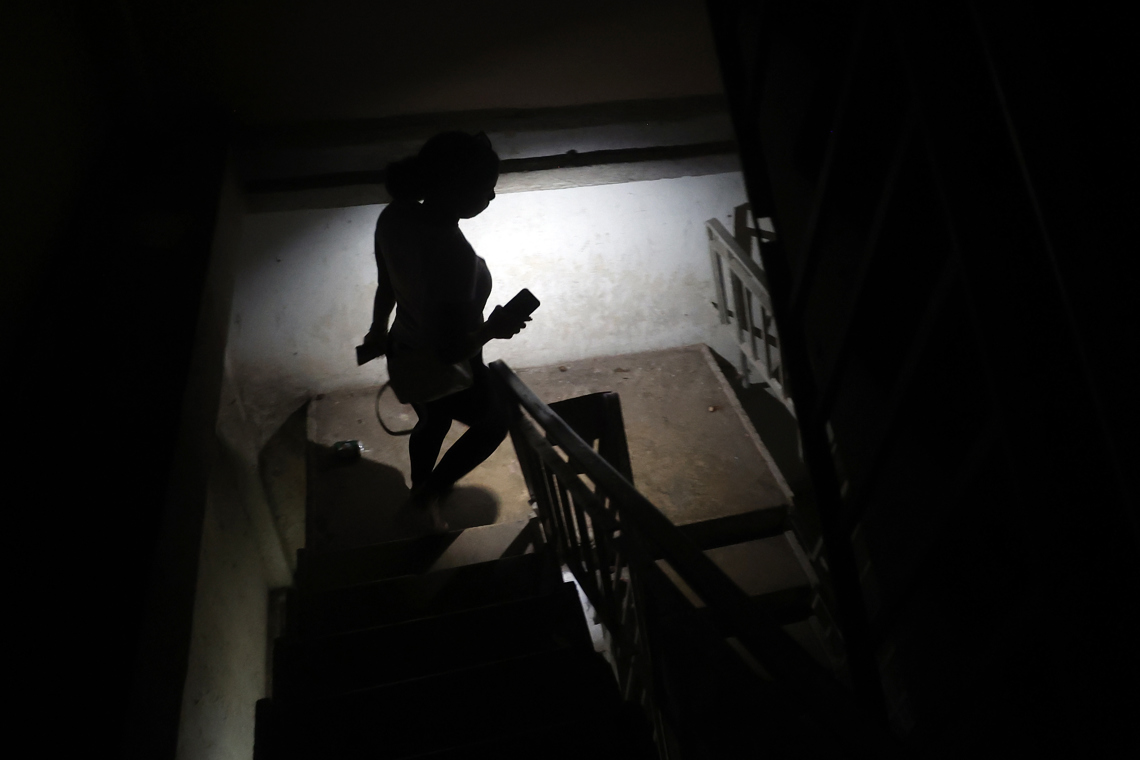
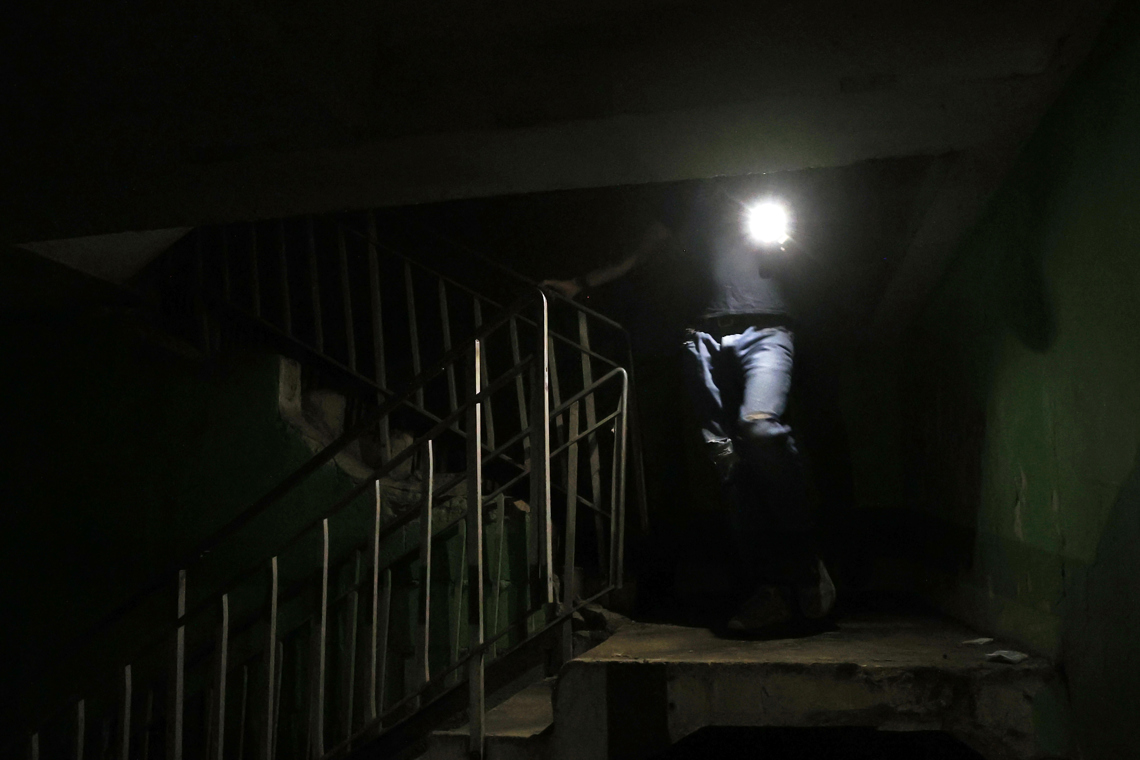
“Is anyone stuck on the elevator?” shouts, with her cell phone lamp in her hand, Heidi Martínez, the administrator of an 18-story building in the Alamar neighborhood, on the outskirts of Havana.
Martínez, 53 years old, is neither a technician nor a mechanic. But she has become an expert at manually opening the elevator in this apartment block. He does it several times a week when a neighbor is stranded by daily power outages.
“We have already caught a culture of blackouts,” he tells EFE at the entrance of the building.
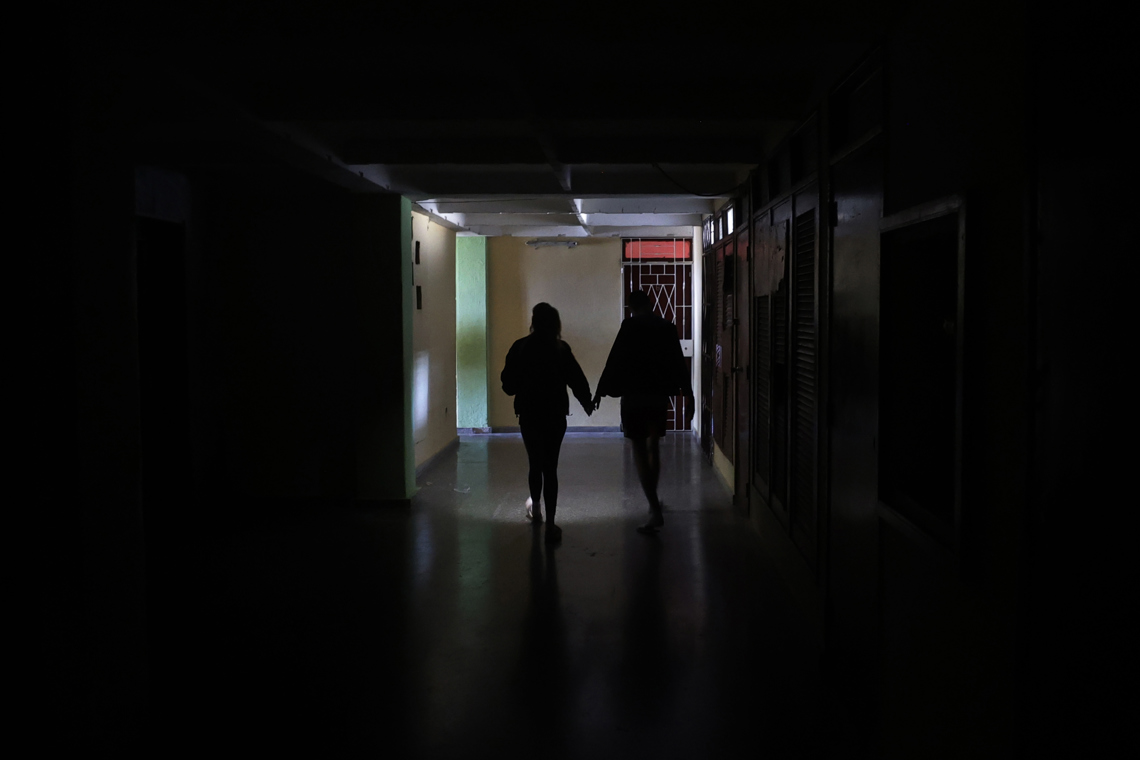
Outages due to power generation deficits on the island have been chronic for years in this peripheral neighborhood, but in recent weeks they have intensified to the extent that they are difficult to bear, with between 15 and 20 hours a day throughout the country, due to Washington’s oil siege on Cuba.
In fact, this Tuesday the island suffered the most extensive blackout on record, according to official data. At the time of maximum demand, in the evening, more than 64% of the country was simultaneously without power.
Here, in Alamar, this nightmare comes with an extra that has become a headache for its around 100 thousand residents. They call it “on and off,” Martínez explains: repeated power outages without any pattern that last for hours, every day.
“It could be 20 minutes, it could be half an hour, it could be an hour… Nobody adapts to that. That’s: ‘Now, what remedy?'” he tells EFE Erleny, 49, while repairing a tire tube in a makeshift workshop in front of the building’s garages.
This flickering is already part of the daily lives of the inhabitants of Alamar. According to Gladys Berriel, a 74-year-old retired Special Education teacher, the problem began in 2023 and “it stayed that way.”
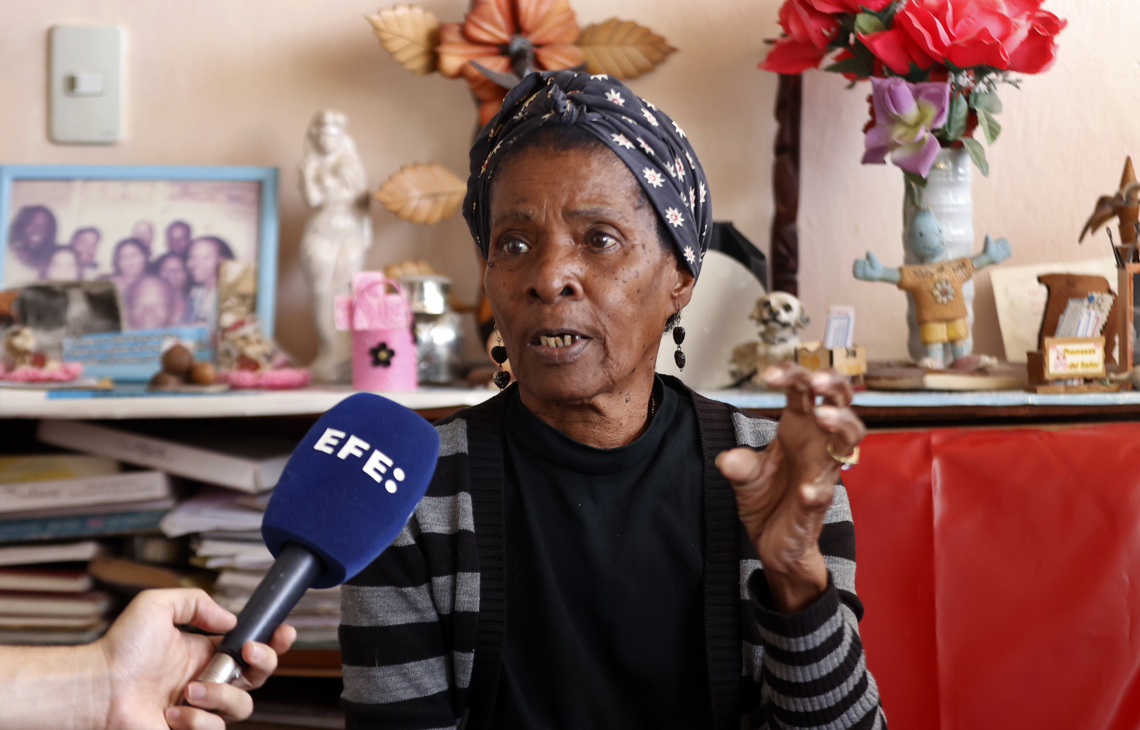
The frustration is such, he adds, that not a few residents would change the “removal” for the prolonged blackouts in other regions.
“If we at least had a schedule, because we know perfectly well the situation with the fuel issue, you will adjust,” agrees Martínez, the building administrator.
The situation goes beyond the inconvenience and scare of being trapped in the elevator. The “remove and put” mercilessly ruins appliances in a country where product shortages and strong inflation work against it.
According to what Berriel tells EFE, Fixing his refrigerator cost him more than his pension.
“We had to pay 5 thousand pesos (11 dollars, at the official exchange rate) for the arrangement, and I am retired. What they pay me in retirement is 3,156 pesos (6.8 dollars) and I worked 37 years in education,” she laments.
Crisis upon crisis
The US oil siege has aggravated the already critical energy situation in Cuba, which since the summer of 2024 has suffered prolonged daily blackouts throughout the country due to the frequent breakdowns of its obsolete thermoelectric plants and the lack of foreign currency to import crude oil.
Since January 9, no fuel from abroad has entered Cuba, when the island barely produces a third of its energy needs. And the consequences are already evident on the island.
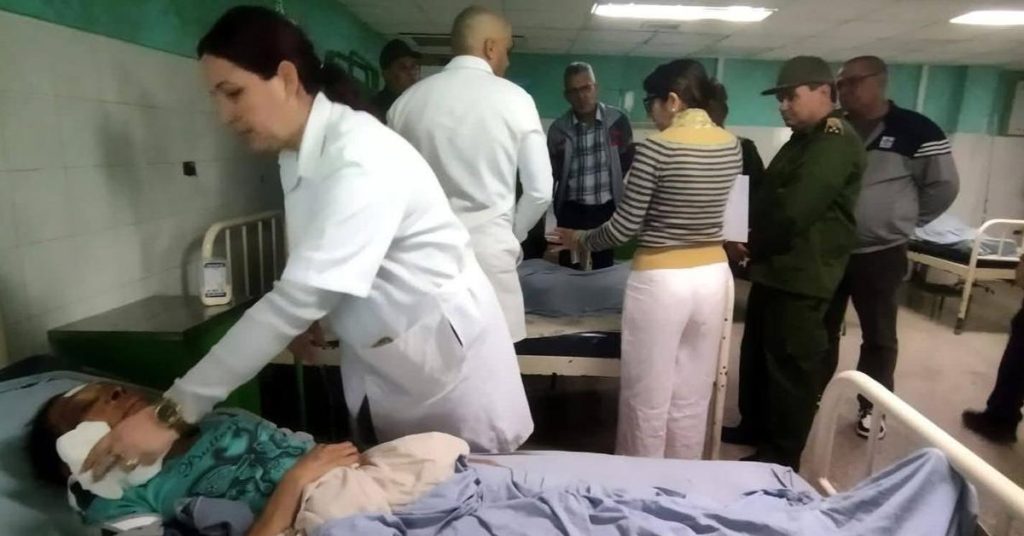
The Government announced last week a tough contingency package to try to survive without oil from abroad: hospitals, state offices and public transportation are in minimal services, universities with remote teaching, cultural and scientific events have been canceled and fuel is severely rationed.
Independent experts consider that between February and March Cuba will begin to suffer seriously from the lack of fuel, which is an essential good and whose lack affects all sectors transversally.
In recent days, several countries have announced the sending of humanitarian aid to the island. The UN Human Rights Office considered this Friday that the US violates the United Nations Charter and international law with the oil siege.