The candidate of Popular Force for the next elections, Keiko Fujimorimade clear his position against abortion in cases of rape.
“In Popular Force “We are in favor of therapeutic abortion as soon as the mother is at risk, but we are not in favor of cases of rape,” declared the leader of Fujimorism in an interview for the program ‘Your Decision 2026’ on TV Perú.
YOU CAN SEE: Motion of censure against José Jerí: list of congressmen who oppose the debate in the Extraordinary Plenary Session
The statements of Fujimori and the debate about abortion in cases of rape came after images of the congresswoman’s shelter were disseminated Milagros Aguayo (Popular Renewal) ‘Father’s House’, where you can see girls who suffered sexual violence with their children in their arms. Fujimori rejected “the violation of the identity” of the minors, but — as already mentioned — denied their right not to carry a desired pregnancy as a result of an episode of violence.
The party leader becomes the second Fujimorista to oppose abortion due to rape cases in recent days. In a recent interview, Carlos Tubinocandidate for the Senate for the orange group, minimized the problem: “Even when rape issues are played out judicially, look, there are many things that remain with loose rags here, loose rags there, sometimes false accusations and the truth is that I do not agree. (…) They are not always rapes; sometimes they are also nights of pleasure and then the rape complaint is made,” Tubino then pointed out. The statements generated repudiation on social networks.
Keiko Fujimori proposes that the Armed Forces control prisons and borders
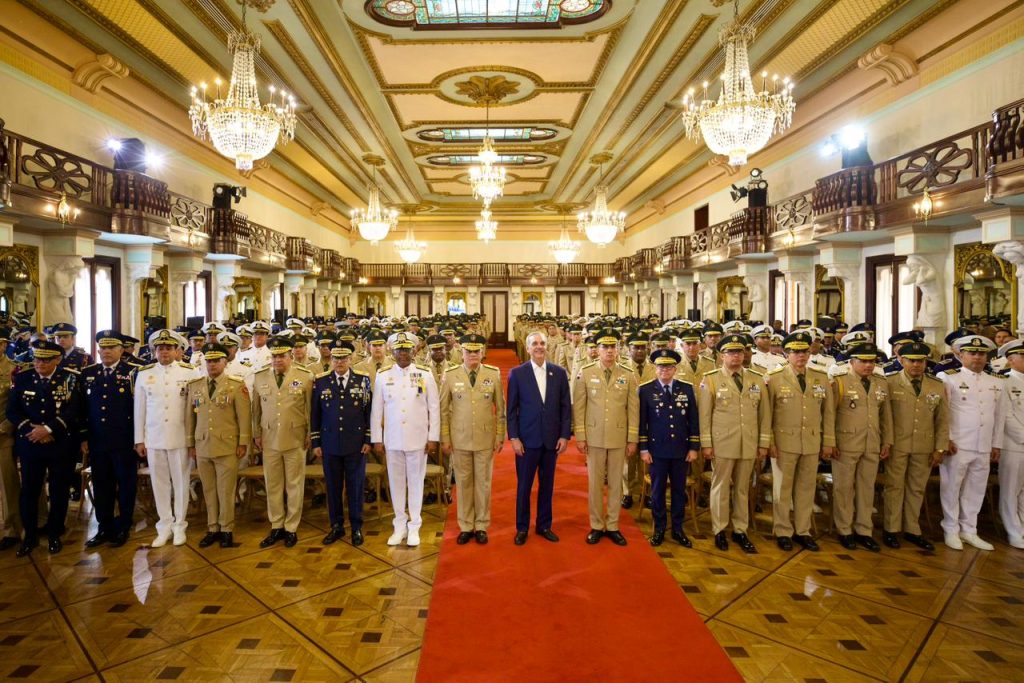
During the same participation on TV Perú, the leader of Popular Force presented a package of security measures with a view to the 2026 elections that contemplates the intervention of the Armed forces in the control of penitentiary centers and border crossings. In his opinion, this strategy would make it possible to restore internal order and cut off criminal networks that, according to him, operate from prisons.
YOU CAN SEE: José Jerí must respond to the Prosecutor’s Office for hiring young people in the Palace on March 2
Fujimori explained that the military deployment in the prisons would be temporary, while in the bordering areas it would be prolonged to reinforce immigration surveillance and combat illegal economies in points considered sensitive. Likewise, he proposed that the military support operations of the National Police of Peru, under the argument that the seriousness of the crime requires extraordinary responses, although he did not detail the constitutional basis or the control mechanisms to prevent abuses.
Another component of his plan aims to introduce compulsory work for people deprived of liberty convicted of violent crimes, seeking to help them cover the costs of their maintenance. Fujimori maintained that the penitentiary and judicial system absorbs close to S/ 1,000 million a year from the treasury, resources that – he said – should be prioritized for vulnerable populations such as children and the elderly. However, he avoided specifying what tasks would be assigned or how adequate working conditions would be guaranteed within the penitentiary establishments.