The mud from the mangroves of the Capiberibe River, in Recife, will join that from Jardim Gramacho, in Duque de Caxias, in the Grande Rio parade about the Manguebeat movement.
For carnival artist Antônio Gonzaga, responsible for the plot The Mangrove Nationthe Pernambuco rhythm and the Baixada Fluminense school have confluences and, among them, the social transformation of their regions.
“It has to do with the school’s way of doing carnival, with the aesthetic style and the school’s discourse,” he said in an interview with Brazil Agency.
>> Samba school plots tell the unofficial story
>> Discover the plots of the Rio Special Group schools in 2026
>> Follow carnival coverage at Agência Brasil
In the 1990s, the mangrove biodiversity served as inspiration for musicians from Recife who fused heavy metal and reggae guitars with maracatu, coco and ciranda drums ─ among other peculiar mixes and combinations, experimented by the bands Mundo Livre S/A, Chico Science & Nação Zumbi.
These musicians created the Manguebeat movement and changed the cultural scene of their city from the mud of the mangroves, used as a metaphor for the resistance and creativity that exists on the outskirts of the capital of Pernambuco and also far from the Rio-São Paulo axis.
“What can we do to avoid sinking into the chronic depression that paralyzes citizens? How can we restore spirit, delobotomize and recharge the city’s batteries? Simple! Just inject a little energy into the mud and stimulate what remains of fertility in Recife’s veins”, recommended the manifesto “Crabs with Brain” (1992), written by journalist Fred Zero Quatro, lead singer of Mundo Livre S/A.
Younger than Grande Rio and Manguebeat, the carnival artist, born in 1994, says that the inspiration for the plot came from a conversation with his father, journalist and writer Renato Lemos, author of the book Inventors of Carnival (editor Verso Brasil), and fan of Chico Science & Nação Zumbi and Mundo Livre S/A.
“I always liked Nação Zumbi. My father [que também assina a sinopse do enredo] I listened to it at home, and as a child I listened to it regularly and really enjoyed it and understood that it would be important for Manguebeat to be part of the story at any time. I find it strange that this hasn’t happened yet”, he said when participating in the program Uncensoredfrom the TV Brasil.
The geographic and social similarities between Duque de Caxias and the region where the cultural movement was born added to this affection.
“When researching, I found this connection of the school’s region, Caxias, being a city surrounded by mangroves. So, making this parallel with the movements on the outskirts of the Baixada Fluminense, I think it was the leap to make this plot work.”
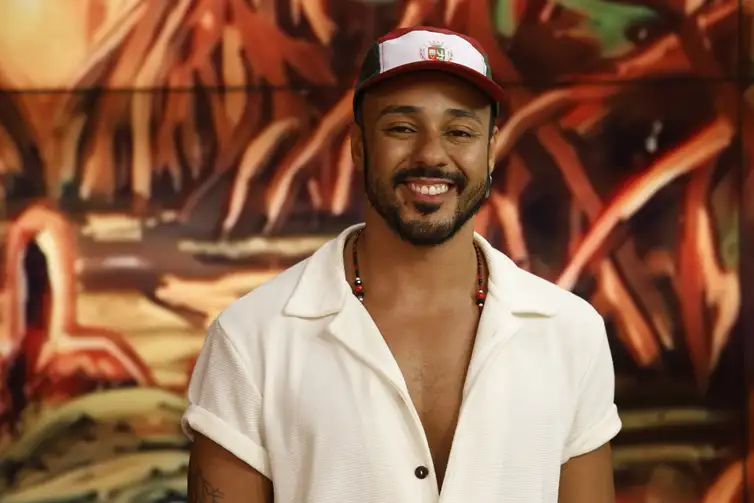
The carnival artist from the Acadêmicos do Grande Rio samba school, Antônio Gonzaga, during his participation in the Sem Censura program, on TV Brasil. Photo: Fernando Frazão/Agência Brasil.
According to Gonzaga, the capital of Pernambuco will be represented in the costumes and allegories ─ there will be six sectors, with five floats and three tripods. Well dressed, several personalities from Recife will take to the samba in a colorful carnival to compete for the second championship, promises the carnival artist.
Recife rhythms
Drum master Fabrício Machado de Lima, Master Fafá, aged 34, ensures that the school’s 270 rhythmists are ready to support the parade by playing their first, second and third toms, snares, repiques, agogôs, rattles and tambourines.
According to Fafá, the arrangement will be inspired by the innovations of Manguebeat and will make references to frevo and maracatu, in addition to following the musical and rhythmic “travels” of Chico Science.
“You can expect a lot of joy, a lot of bossa inspired by Chico’s work [Science]a guy who mixed a lot of rhythms”, said Fafá also on the program Uncensoredfrom the TV Brasil.
In addition to the percussion, the references will also be in the costume of the wing that is the heart of the carnival.
“Our fantasy [da bateria] represents the afro block Lamento Negro [bairro popular de Olinda na divisa com Recife]which is one of the blocks that Chico [Science] helped found it.”

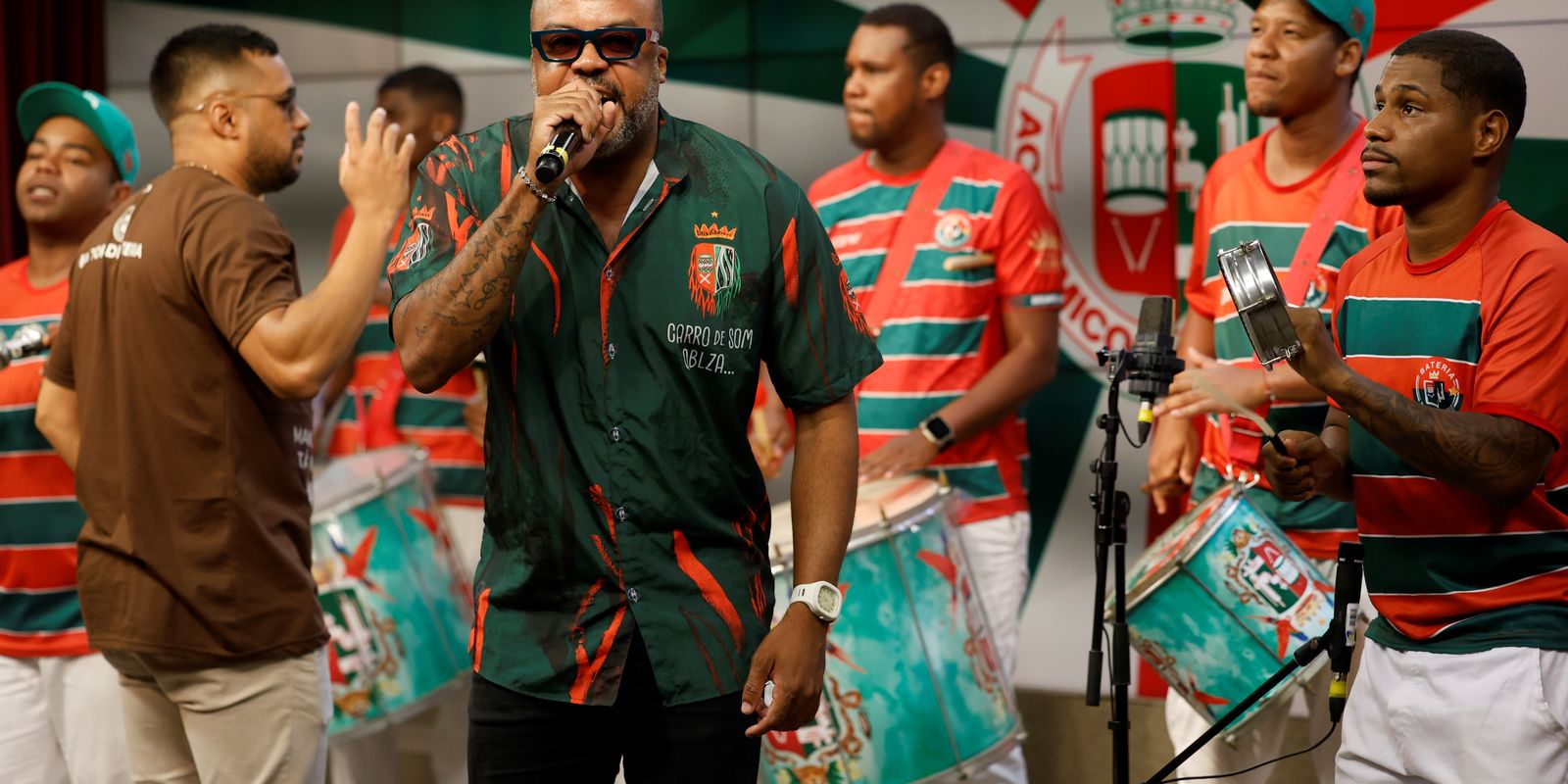
Mestre Fafá and the drums of the Acadêmicos do Grande Rio samba school during participation in the program Sem Censura, on TV Brasil. Photo: Fernando Frazão/Agência Brasil.
The sound of the drums promises to reinforce the cultural identification between those who live in the mangroves of Recife and on the social margins of the Baixada Fluminense, as do the lyrics of the samba plot:
“I’m also a crab on the edge of the stream / Gabiru works early, picks up trash from the tide.”
The lyrics are written by Ailson Picanço, Marquinho Paloma, Davison Wendel, Xande Pieroni, Marcelo Moraes and Guga Martins.
Grande Rio is the penultimate school to parade on Tuesday (17th), the last day of the parade of the special group of the Rio de Janeiro carnival.
Discover the plots and order of parades of the Rio de Janeiro Special Group
1st day – Sunday (15/2)
- Academics from Niterói – From Alto do Mulungu Hope Arises: Lula, the Worker of Brazil;
- Empress Leopoldinense – Chameleon-like;
- Portela – The Mystery of the Prince of Bará;
- Mangueira First Station – Master Sacacá do Encanto Tucuju – the Guardian of the Black Amazon.
2nd day – Monday (16/2)
- Independent Youth of Father Miguel – Rita Lee, the Patron Saint of Liberty;
- Hummingbird of Nilópolis – Bembé do Mercado;
- Unidos do Viradouro – Up, Ciça;
- Unidos da Tijuca – Carolina Maria de Jesus.
3rd day – Tuesday (17/2)
- Tuiuti Paradise – Lonã Ifá Lukumi;
- Unidos de Vila Isabel – Macumbembê, Samborembá: I dreamed that a Sambista dreamed of Africa;
- Grande Rio Academics – The Mangrove Nation;
- Salgueiro Academics – The delirious carnival journey of the teacher who was not afraid of witches, cod or the wooden-legged pirate.