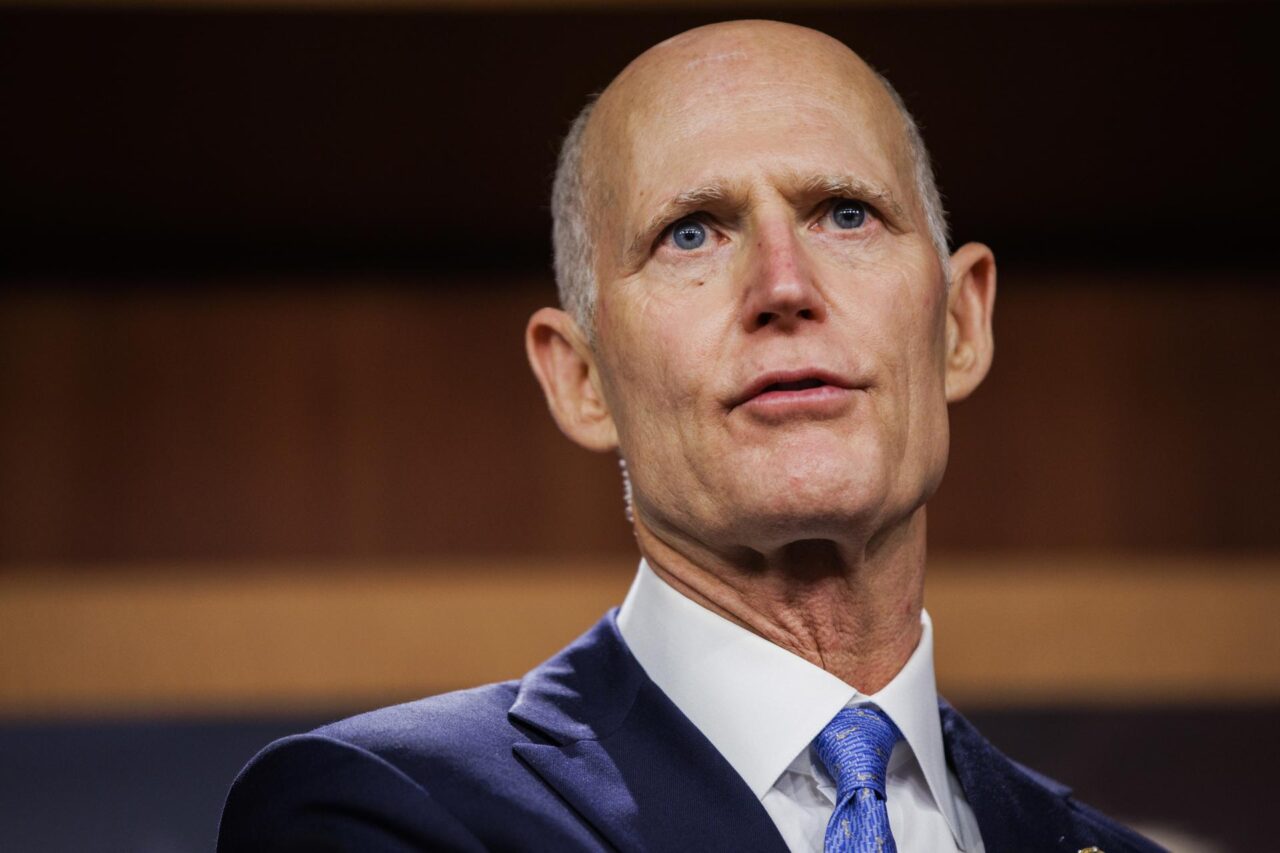
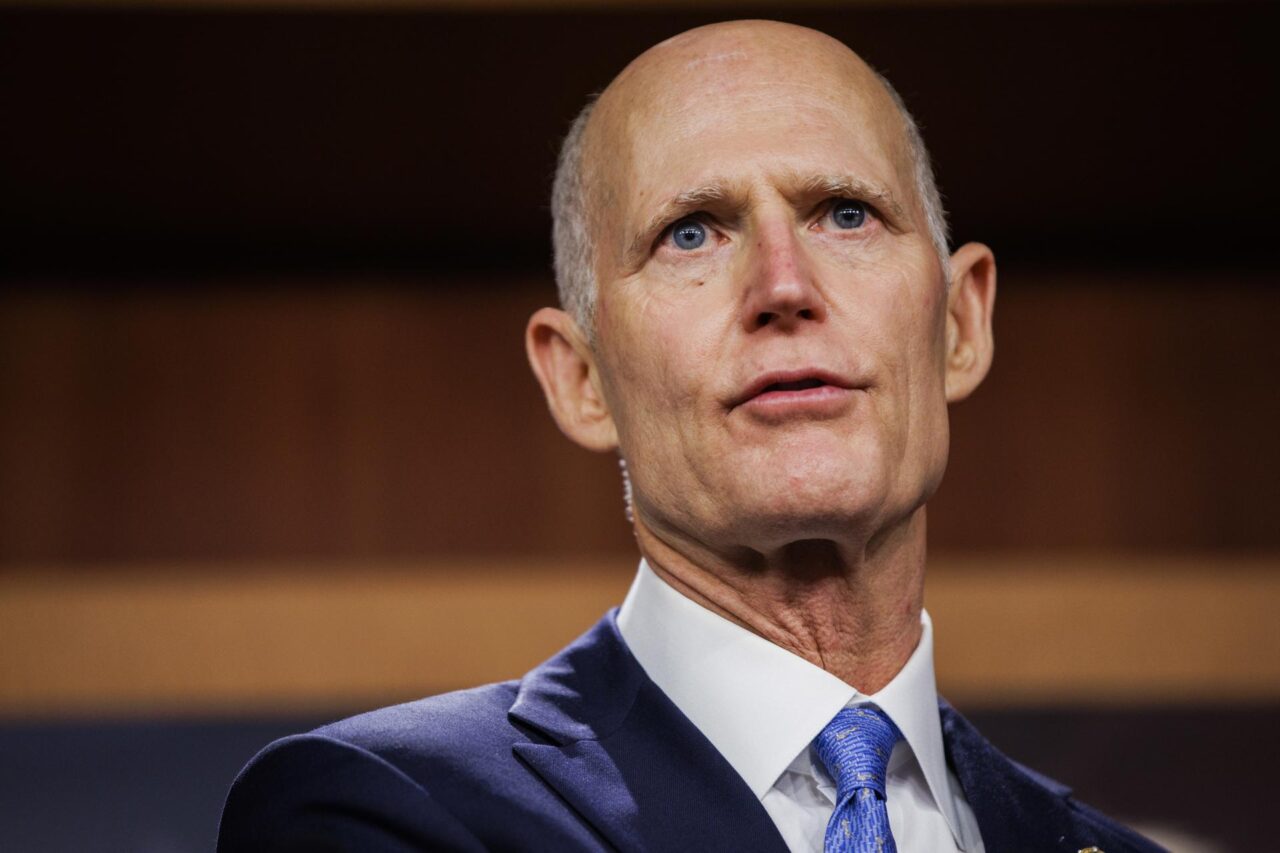
Republican Senator Rick Scott denounced this Wednesday that the release of Juan Pablo Guanipa and other opposition leaders under certain restrictions or through house arrest cannot be considered real freedom.
Through their social networks, Scott He assured that these measures do not represent a genuine way out for those who have been detained for political reasons, and stressed that remaining subject to restrictions, limitations on movement and conditions imposed by the Venezuelan government is, in essence, “another form of prison.”
“The so-called ‘liberation’ of Juan Pablo Guanipa and other political prisoners under the conditions of the regime or house arrest is NOT real freedom,” said the official.
In his publication, the Republican directed his criticism directly at the interim president, Delcy Rodríguez, and the Minister of the Interior and Justice, Diosdado Cabello, warning that the actions of the Venezuelan authorities reflect a lack of will to implement a transparent and sustainable release process.
“Delcy Rodríguez and Diosdado Cabello are proving themselves incapable of genuine cooperation. You would think they would have learned by now that @POTUS and @SecRubio They don’t mess around. “The United States is watching them closely,” Scott said.
Guanipa’s conditional freedom reflects democratic fragility
The case of Juan Pablo Guanipa has been one of the most emblematic of this controversial stage. The opposition leader was released on Sunday after spending months in detention, but was deprived of liberty the same day and later placed under house arrest with prohibitions on public statements and restrictions on movement, which has generated criticism inside and outside Venezuela.
The controversy over the releases has had repercussions in Venezuela. Relatives of political prisoners and activists have denounced that the amnesty law approved in the first discussion in the National Assembly does not include all detainees and does not offer guarantees to avoid detentions under political charges.
Protests in front of Parliament and vigils by relatives of detainees have increased pressure on the interim government to achieve full releases and transparent judicial processes.
Human rights organizations estimate that although more than 400 releases have been recorded since January, many of these releases have been made under conditions that limit the effective freedom of the beneficiaries, and hundreds of people would still remain behind bars or under restrictive measures.