
He Venezuelan automotive market registered a strong rebound during the last year. In total, 38,610 new vehicles were sold, which represents an increase of 119.9% compared to 2024, when 17,558 units had been sold. By 2026, the sector estimates that the trend will continue upwards and projects to exceed 50,000 units, with growth of more than 29%.
Of the automobiles sold in that period, 41% – equivalent to 16,030 units – were assembled in the country, while the rest corresponded to imports, according to data from the Automotive Chamber of Venezuela (Cavenez).
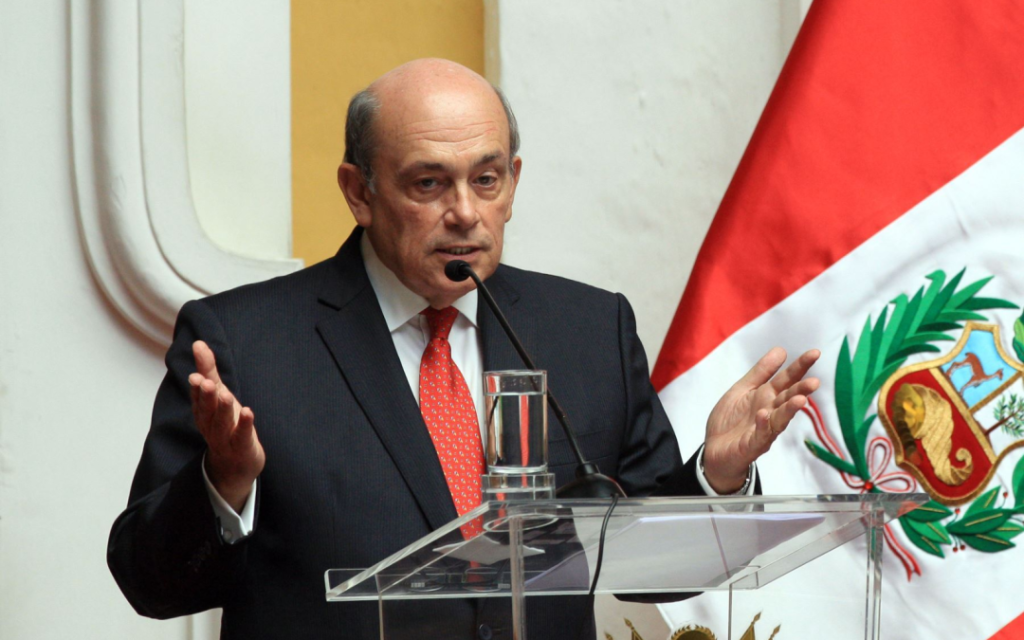
The positive dynamic had already been evident since January, when 3,463 new vehicles were placed on the market. This figure represented an increase of 158% compared to the same month of the previous year, when 1,341 units were registered, indicated the executive president of Cavenez, Eduardo Cáceres, in a meeting with the press.
#Nacionales | Eduardo Cáceres, Presidente de la Cámara Automotriz de Venezuela (Cavenez), mencionó que existe expectativa en el séctor por el ingreso de inversión extranjera y que puede permitir la renovación de la flota.
📹 Video: @DanielAlvarezRo pic.twitter.com/pcgKhUt3Al— El Noticiero Televen (@El_Noticiero) February 10, 2026
Automotive industry opens the way to progress and sustainable development
The manager explained that the 19 brands that make up the union – from Korea, Japan, China, the United States and Europe – offer more than 200 models in the country, ranging from compact cars to heavy-duty units. In his opinion, this offer could be expanded “significantly” in the coming months with the arrival of other launches.
“Real consumption has accelerated, we are in a very favorable situation, very optimistic,” said the spokesperson for an industry that in 2007 marketed more than half a million vehicles.
Cáceres maintained that the country is going through a “process of transformation” that, from his perspective, “makes it mandatory for the automotive sector to be seen as one of the thermometers of economic growth.”
“It is essential to make mobility a right and a tool for development, that is why we believe that encouraging the growth of the sector will allow us to guarantee the physical infrastructure that supports the progress of other economic factors,” he stated.
The president of Cavenez pointed out that they have held conversations with government authorities to review administrative procedures, and proposed the creation of joint working groups between the public, financial, industrial and commercial sectors, with the objective – he said – of generating “more favorable conditions for all.”