Rest and extra time, the issues under the magnifying glass
The gradual application of the new working day, the provision of payment for overtime and the fact that the initiative only contemplates a single day of rest, are the issues that have raised questions about the presidential proposal.
From the Citizen Movement, representative Patricia Mercado asks that granting two days of rest be contemplated in the Constitution, to prevent workers from being left adrift.
“(Maintaining a day of rest) means that working people will not be spared the exhaustion of a day of commuting, which for many of them means two, three or four hours a day,” says representative Patricia Mercado.
In addition, they launched a spot to request that the reduction in working hours be done “now” and not until 2030 as established in the presidential initiative.
At Fuerza Naranja we are clear: there are plenty of reasons to make the 40 hours a reality NOW! With 2 days of rest. ⏰🧡 pic.twitter.com/eo2mytWGIG
— Citizen Movement | Orange Movement (@MovCiudadanoMX)
February 2, 2026
This same concern is shared by the National Front for 40 Hours in Mexico, which brings together union organizations and organizations in defense of workers. In addition to criticizing the gradual application of the 40-hour day, he accuses that it seeks to impose a “scheme of job insecurity.”
The above, they explain, because the initiative establishes that overtime should not exceed 12 hours per week and that when that occurs, the employer must pay 200% more than the salary that corresponds to the ordinary day. Under current legislation, this provision applies when overtime exceeds 9 hours.
“The working class of this country would be supporting schemes of up to 16 overtime hours, which in addition to that, many companies use as a daily routine, as a normality,” he mentioned.
Morena legislators defend the initiative as presented by the president. The president of the Senate’s Constitutional Points Commission, Óscar Cantón Zetina, points out that the important thing about the proposal was precisely the reduction of the working day.
“We continue with what the current Constitution says: a mandatory day of rest. What is important about this initiative? They are forty hours of work,” declared the senator on February 7.
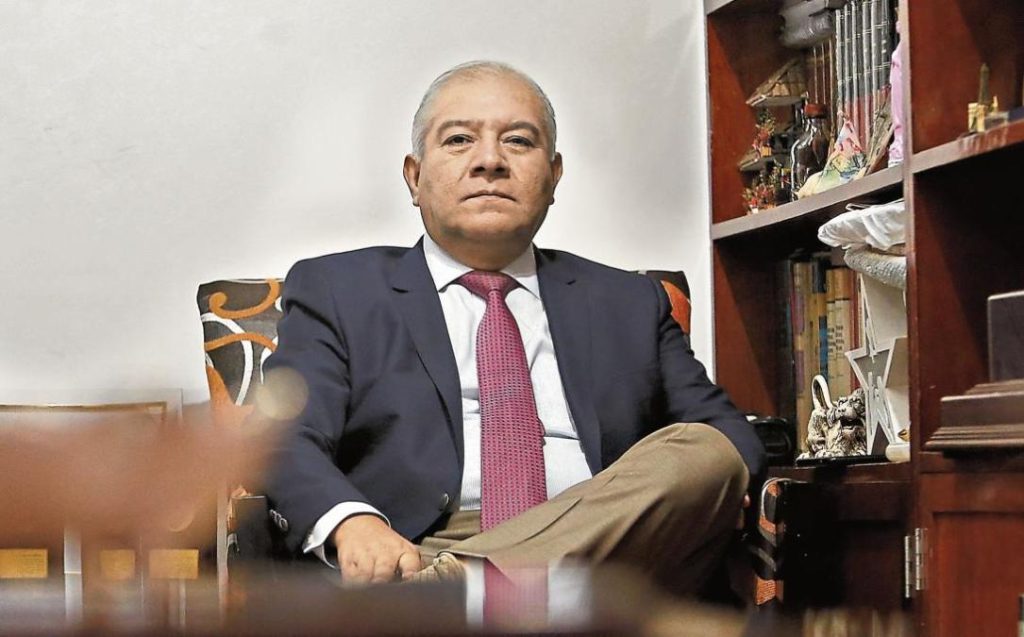
This position is also that of the Secretary of Labor and Social Security, Marath Baruch Bolaños, who points out that the two days of rest must be set by workers and employers.
What do we want? That there be some flexibility in favor of the workers. “Let the workers be the ones who define, in agreement with their employers, their working hours.”
Marath Baruch Bolaños, Secretary of Labor and Social Welfare.
What do businessmen say?
Although the business sector was present when President Sheinbaum signed the initiative to reduce working hours, some sectors have indicated that the measure is a “direct hit to payrolls“, because to comply, shifts will have to be extended and some extra hiring made, which will be reflected in their budgets.
According to the Business Coordinating Council (CCE), the costs for some companies are could increase between 10 and 25%depending on the size and sector, but what will have the most impact will be the manufacturing, commerce and services.
Due to this, the implementation of the reform will be gradual.
(Cuartoscuro/Graciela López Herrera)