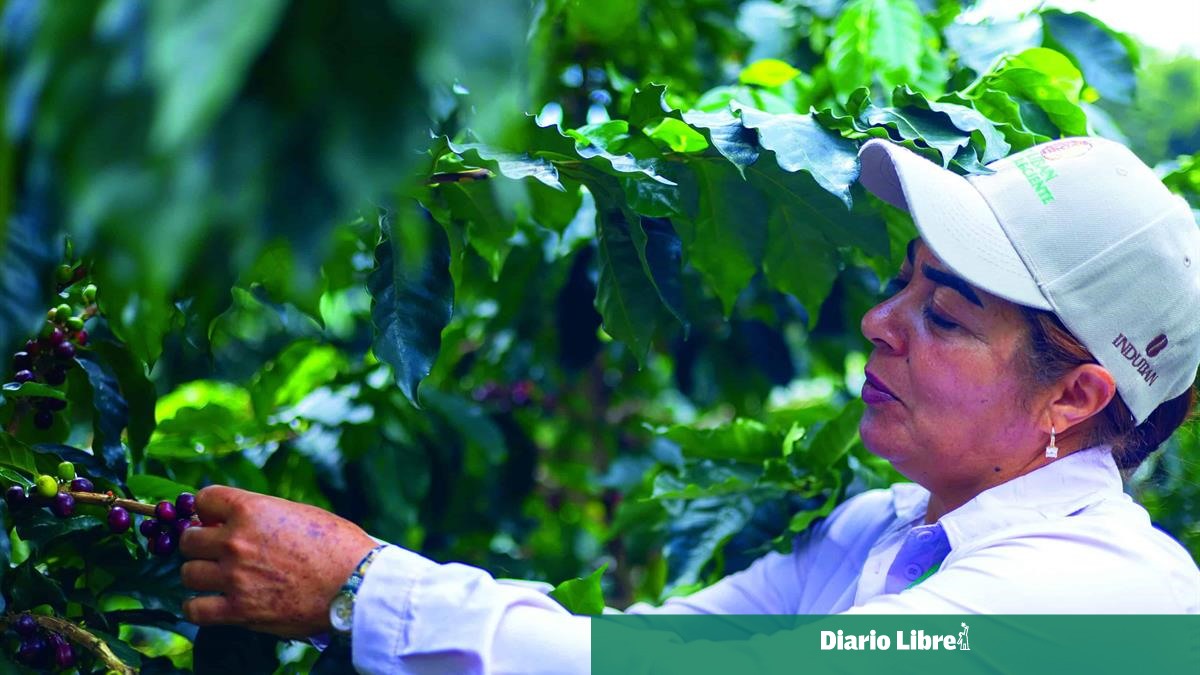
Although his entire life has revolved around the production of coffee by family traditionDanny Madaliz Castillo admits that he did not know how to improve the yield of his crop in Rancho Arriba, in the province of San José de Ocoa.
With excess fertilizers and no changes in shade, what he harvested in his coffee plantations allowed him to obtain just the quantities necessary to supply large buyers such as Industrias Banilejas (Induban), a company with which he has done business for 15 years.
After a year as a participant in “Coffee growing”, an Induban program that facilitates access to small producers of new varieties of coffee and offers them technical assistance, Castillo assures that he uses much less fertilizer, saving up to 30% of his production cost.
Added to this is a harvest that ranges between 105 and 210 quintals for each of its 150 land tasks; This represents between 2.6 to 5.3 times the national average of performance per task, which has averaged the 40 pounds per task in the last two decades, according to data from the Ministry of Agriculture.
“I have learned that, years ago, production was not very good,” Castillo observed. “I look forward to continuing to improve and increase revenue.”
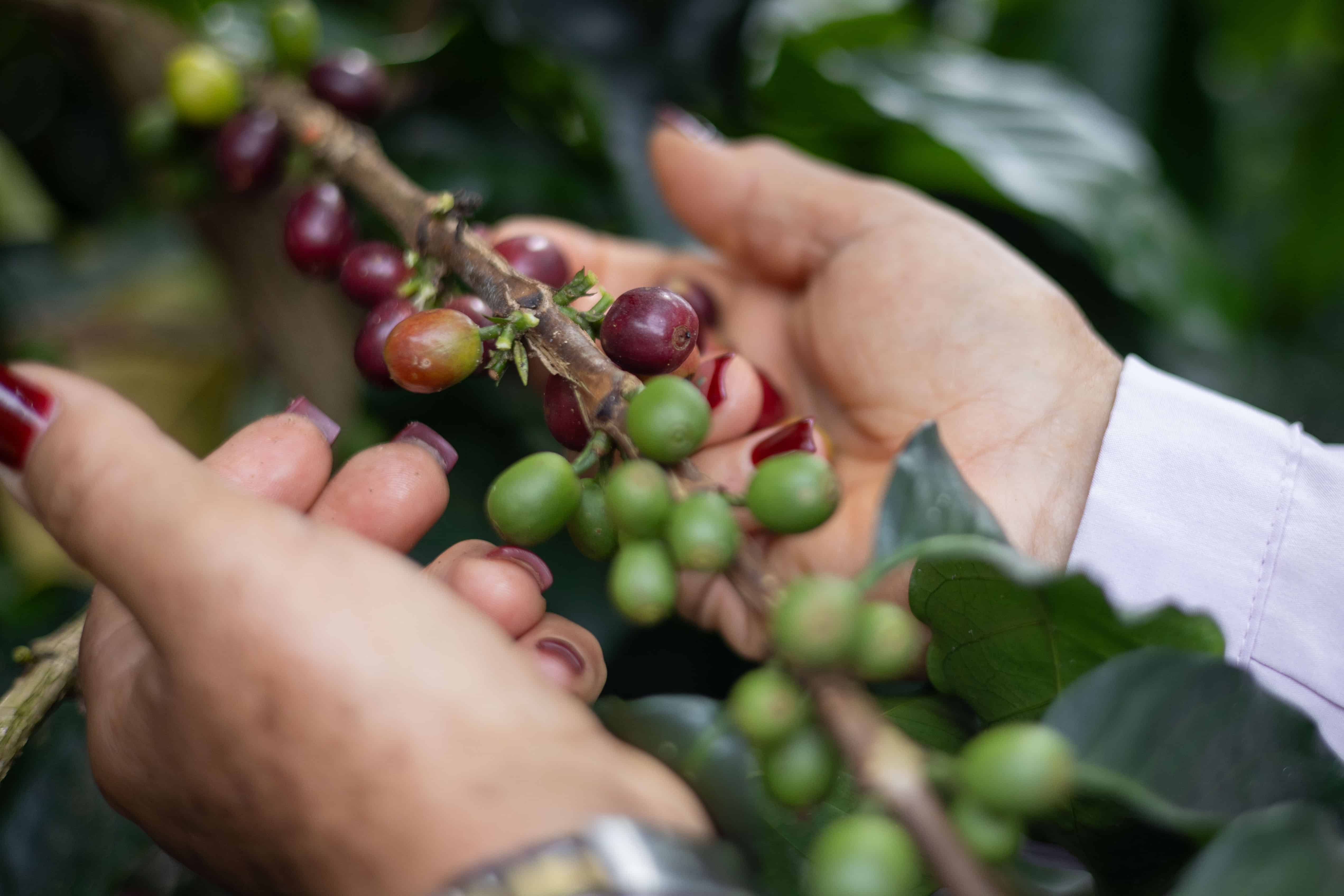

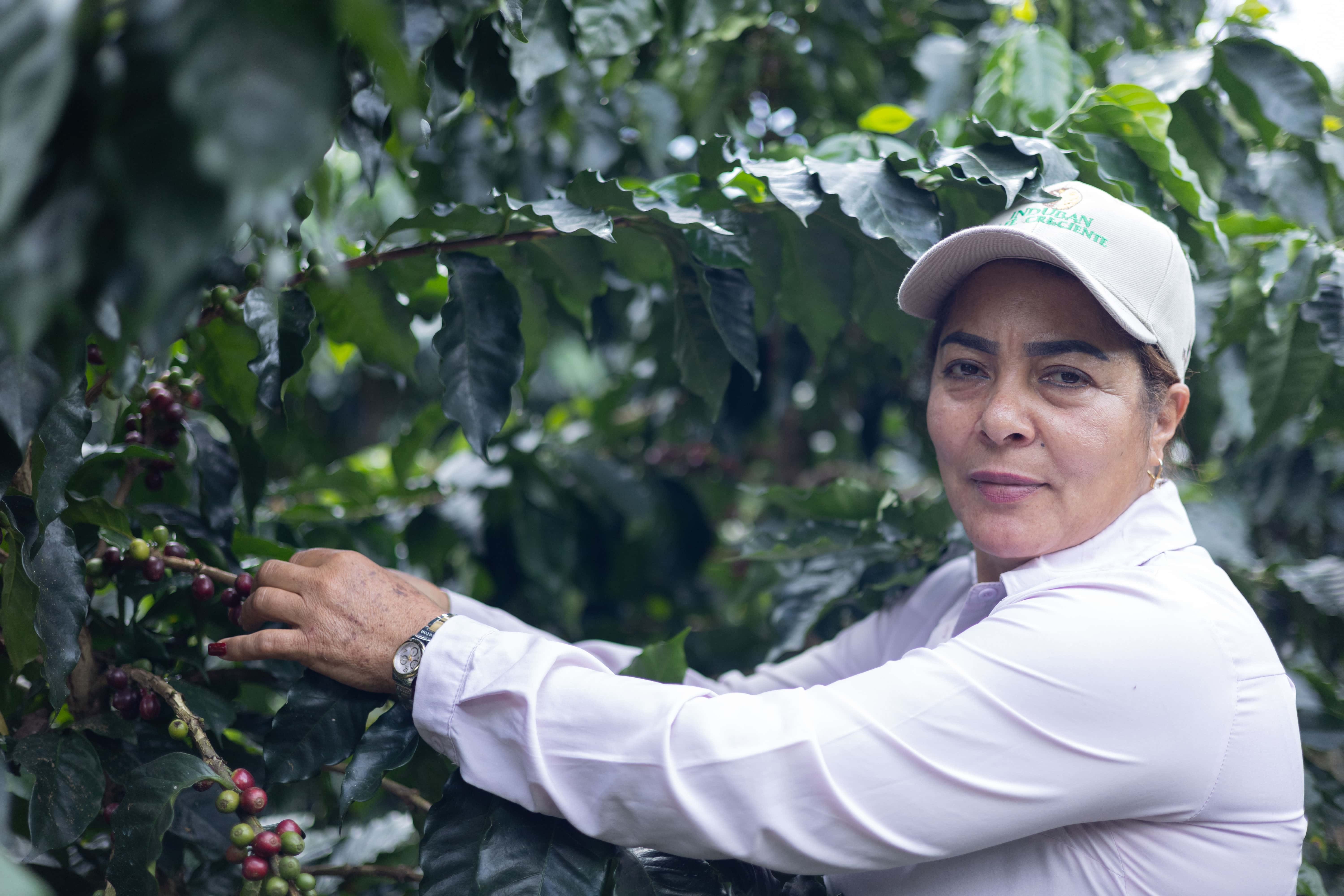
Bet on recovery
The Dominican Republic could exceed 270,000 quintals of coffee harvested in the period 2025-2026, the highest volume since the rust and borer diseases decimated the local crop almost to the point of its extinction in the period 2015-2016.
At a slow but steady pace, Dominican coffee growers have managed to increase harvests year after year, rising from the 89,520 quintals to which they fell eleven years ago and they have achieved it relying only on their effort and consistency: without incentives, without specialized knowledge and without state support.
Aware of this reality, Industrias Banilejas has been developing the aforementioned initiative since 2023.growing coffee“, with the purpose that producers incorporate good practices in the management of their crops, increase the productivity of their coffee plantations, produce their own planting material and increase their income.
When the company first approached to explain the program to Nerys Margarita Tejada, from the Montenegro community—who took over the family’s coffee production after the death of her husband—she did not understand the dynamics of the program. Still, he was motivated to participate. Today, he claims to see profits “so high” on his farm – of 600 tasks – that he prefers to keep the amounts to himself.
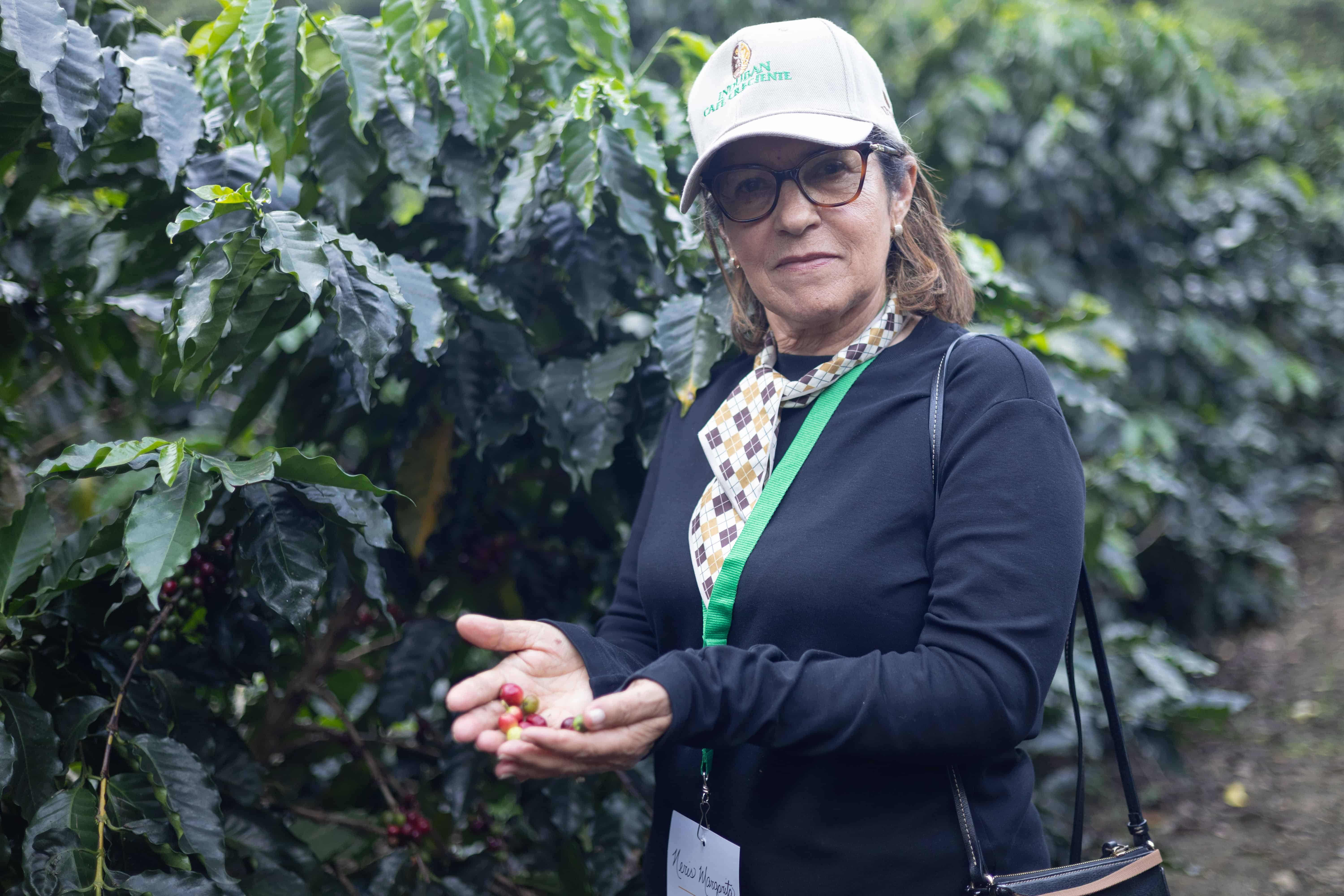
“The farm was not good; they (the technical team) came in with the pruning and they came in with the fertilization,” he recalled, after adding that this last process is what he has learned the most from, because before it was fertilized “by the hand.”
Both she and Castillo are part of the 250 producers benefited by Induban, a company that has extended this program to provinces such as San José de Ocoa, Azua, Barahona, Santiago and Santiago Rodríguez, covering some 16,000 land tasks and an estimated production of 25,000 quintals.
The program has contributed to the planting and conditioning of some 300,000 plants in total and has provided up to 60,000 quintals of fertilizers at a differential price for the producer, who pays for the input without interest at the end of his harvest, thanks to an agreement that Induban has reached with the three main fertilizer producing companies.
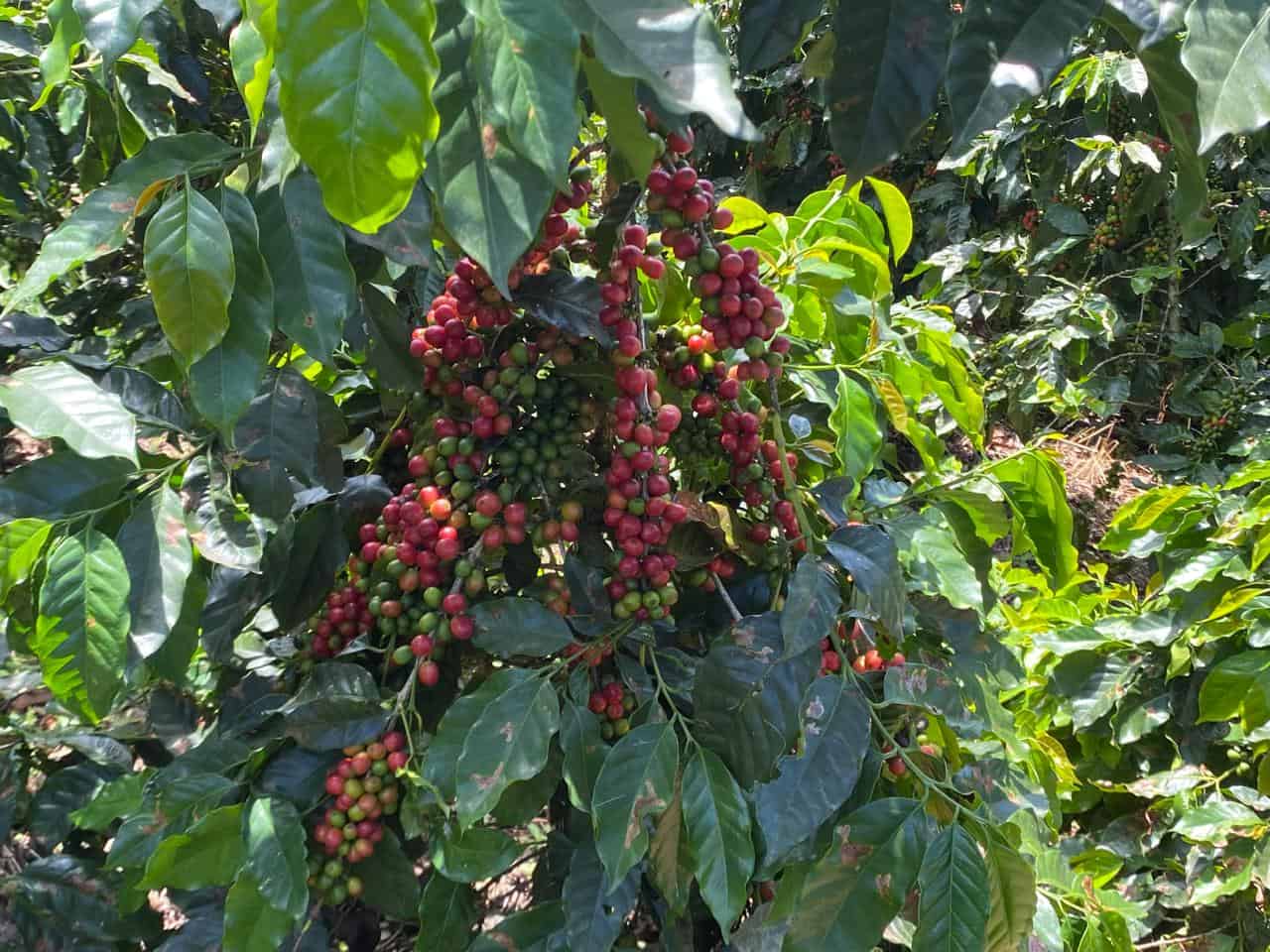
The company has executed this program in collaboration with the Institute of Coffee of Costa Rica – a leading nation in the recovery of coffee local – and with the support of advisors from Colombia and Brazil, from where up to 14 different varieties of coffee that are being tested at the Induban experimental farm in San José de Ocoa.
José Carlos Medina, an agricultural technician who came to the country from Colombia to support the program, assures that only with the implementation of good agricultural practices – such as plant pruning, shade management, controlled fertilization and adequate harvesting – many producers have been able to double their production.
“This leads to a cultural change; (in the country) we work on coffee growing in the same way as 50 years ago,” he stressed, highlighting that producers are being shown that substantial improvements can be achieved with few resources.
The message is that each farm is a company,” he noted.
Reduce imports
In the long term, the company is committed to reversing the current dynamic, increasingly reducing dependence on imports and achieving the self-sufficiency necessary to cover local consumption and boost exports.
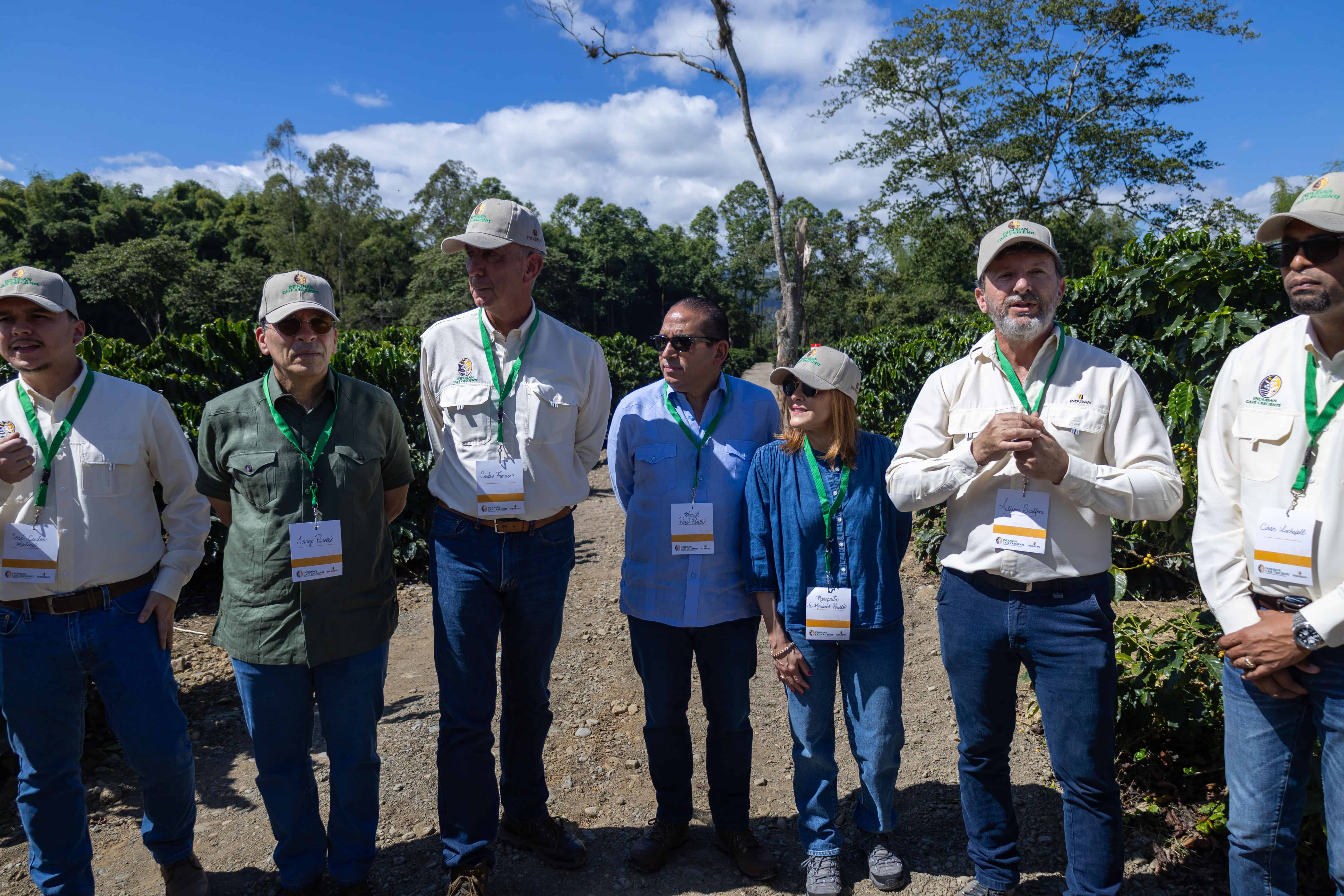
“He coffee Dominican has to go back to being what it was; It has to be recognized again throughout the world as tobacco is, as rum is. That is our goal,” said the president of Induban, Manuel Pozo Perelló, after a tour with the press.
He indicated that the increase in production made it possible to achieve this objective: for every 10 cups of coffee that are served, 3.5 cups are made with coffee imported, a reality that five years ago had a ratio of 6 for every 10 cups.
“The country is growing, and we are working so that productivity grows again. We do not want the country to have to import coffee. The money that is going away, around 30 million dollars that we have bought from coffee“We want it to stay here in the countryside, to benefit the producers and to help the Dominican Republic continue to flourish,” he added.
The company anticipates that, if the recovery continues, the DR could return to self-sufficiency in the next seven years.
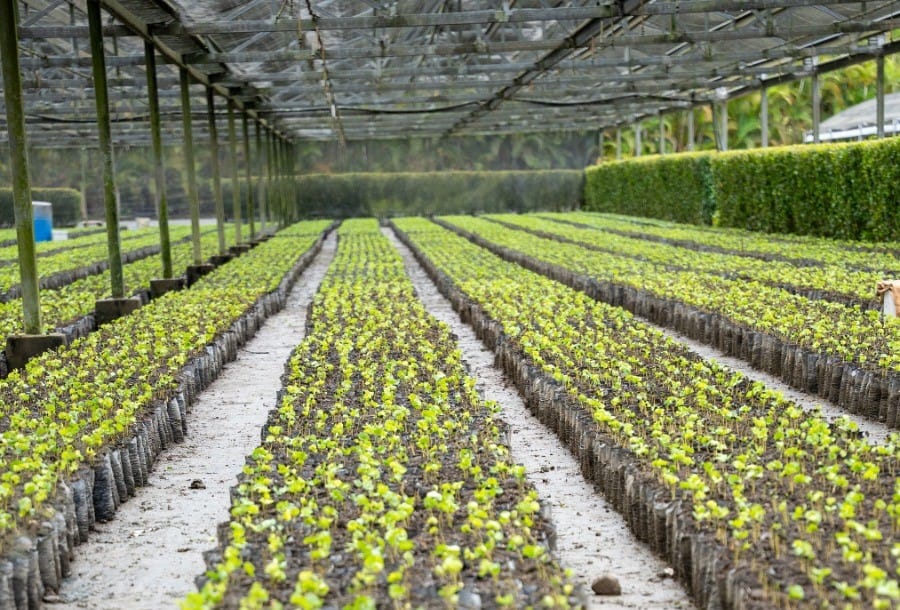
Induban gave a tour for the press of its experimental farm in Rancho Arriba, showing all the stages of the coffee planting process: from the germination of coffee seeds and the creation of an organic fertilizer with worms – known as humus –, to sowing in experimental fields.
Currently, the company is researching ten varieties of Arabica coffee brought from Brazil – such as Arara, Catigua, Grauna or Catucai 2SL. The objective is to determine how well they adapt to Dominican climatic conditions, as well as study their productivity and resistance to rust.
Those varieties with the best adaptation and yields would become part of the program, being used as quality genetic material for the beneficiary producers.