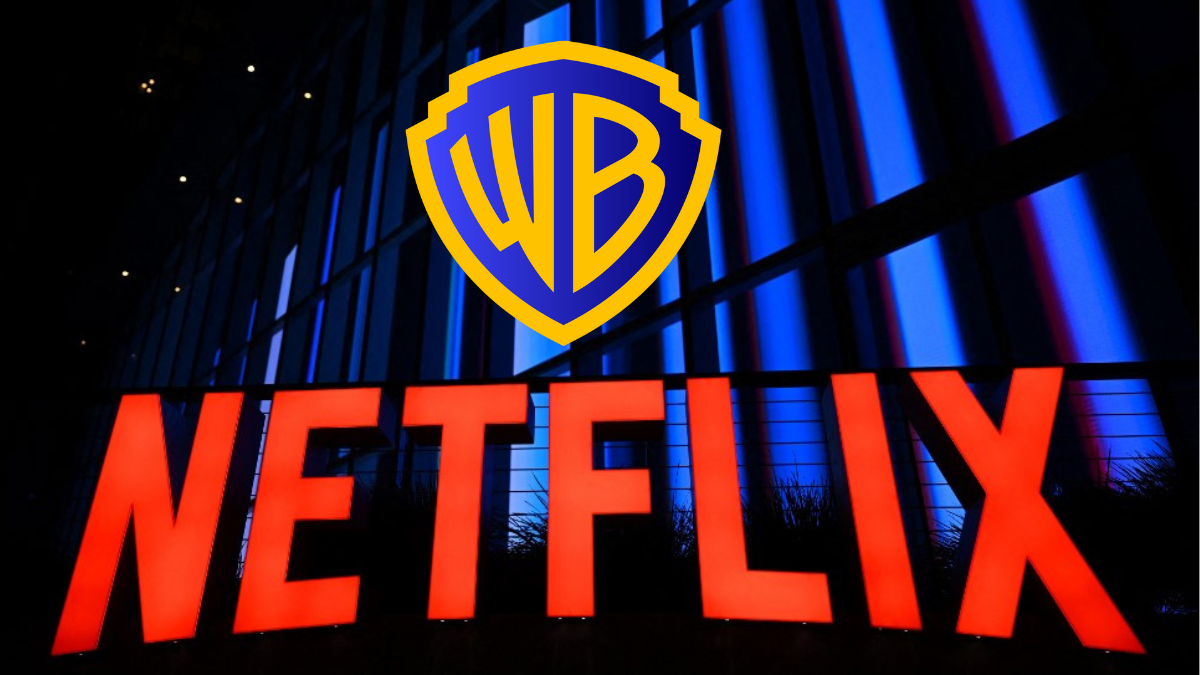
The US Department of Justice (DoJ) has launched a formal antitrust review of Netflix’s proposal to acquire Warner Bros Discovery (WBD) for approximately US$83 billion. This step is part of the transaction approval process.
The investigation seeks to determine whether the operation faces possible risks to competition in sectors such as streaming services, film production and distribution of audiovisual content.
The scrutiny will be carried out under current US antitrust laws, including the Sherman and Clayton Acts, which prohibit practices that could result in monopolies or substantially limit competition.
Netflix has signaled that it is cooperating with the standard regulatory process and has denied being aware of a separate monopolization investigation outside of the usual merger review. The company thus seeks to consolidate a significant content asset that includes studios, HBO and HBO Max, following an agreement announced in December 2025.
Worry
The deal has attracted the attention not only of policymakers, but also lawmakers in Washington and industry leaders. In Senate hearings, Netflix’s co-CEO defended the project as beneficial to consumers and creators, although several lawmakers raised concerns about the concentration of power in the streaming market and its potential effects on pricing and choice.
In addition to the DoJ review, industry players have stepped up regulatory pressure. Senator Tim Scott sent a letter requesting a strict evaluation of the deal for possible anti-competitive effects, arguing that Netflix already holds a dominant position in subscribers and could gain greater market power by purchasing WBD.
The operation has also been marked by a bidding war. Paramount Skydance, financially backed by Larry Ellison, launched an alternative hostile bid for Warner Bros, seeking to position itself as a buyer to shareholders and presumably regulators.
Warner Bros. Discovery’s board of directors has overwhelmingly backed the Netflix deal, arguing it offers greater value and certainty for shareholders over Paramount’s offer.
The outcome of the antitrust review may influence the future of large mergers in the audiovisual sector, at a time when competition authorities are more closely analyzing consolidations between large content and distribution platforms.
The DoJ’s decision is not expected immediately and could lead to delays, conditions or even legal challenges as the regulatory evaluation evolves.
Peru needs us informed to make decisions. Subscribe for free to the Perú21 newsletter: THE TOP 5 NEWS YOU SHOULD KNOW TODAY. Click on the next link.
RECOMMENDED VIDEO