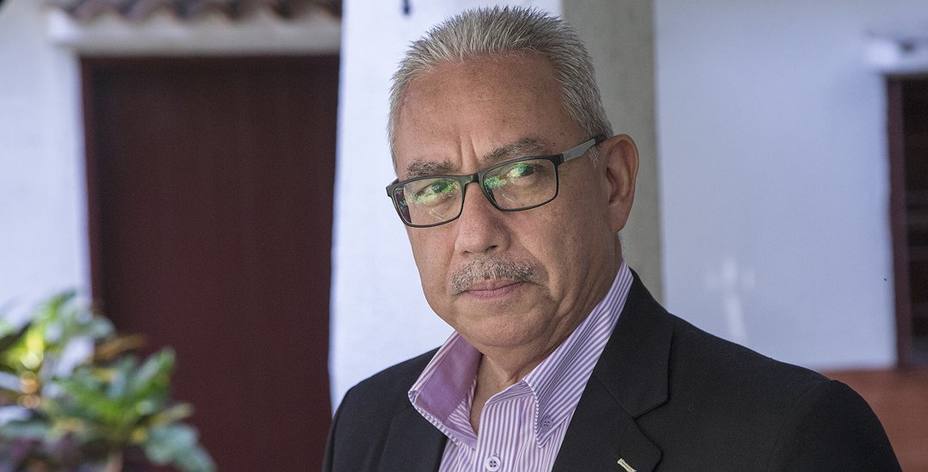
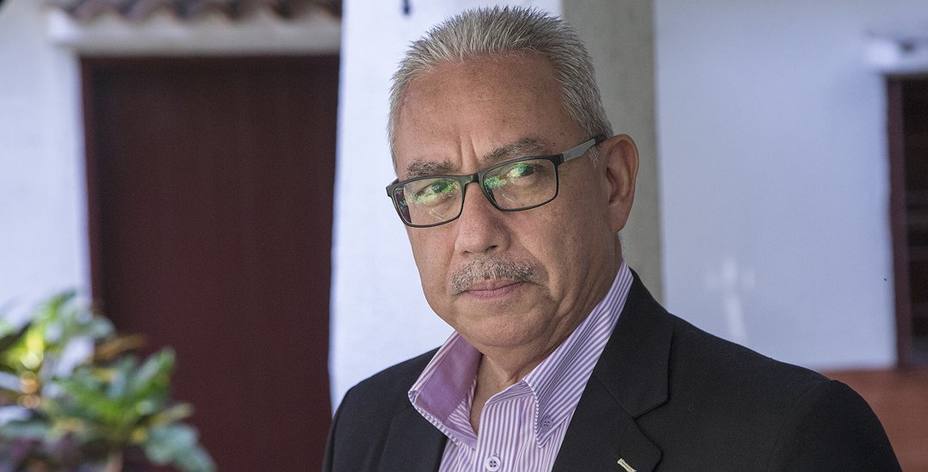
Lawyer Joel García, recognized for the defense of numerous high-profile political prisoners, questioned the draft of the amnesty law, ensuring that Its current structure is insufficient to achieve true national peace and reconciliation.
Through his social networks, the jurist broke down the temporary limitations of the draft, describing it as a selective measure that ignores the real scope of the criminalization of dissent in recent decades.
For the lawyer, the regulatory proposal fails to segment the criminal benefit on too specific dates, leaving in legal limbo to the vast majority of persecuted citizens. By their calculations, the proposed law covers only a tiny fraction of the time.
“The draft of the “amnesty” law excludes 83 months within the mentioned years and leaves out 18 full years. In total, 24 years and 11 months remain without coverage. Only 2 years and 2 months of the period 1999–2026 are actually covered. That is not amnesty, it is makeup,” said Joel García.
García also warned on the exclusion of emblematic cases that, in his opinion, comply with all the requirements of comparative criminal doctrine to be considered political crimes, such as the Operation Aurora, Gideon and the case of the Drones on Bolívar Avenue. The lawyer argued that these events occurred in contexts of open conflict and with clear motivations against the structure of the State.
In his analysis, the jurist questioned the intention behind the temporary gap in the law, pointing out that the persecution has not been an isolated event but rather a constant. “LThe alleged amnesty leaves 24 years and 11 months without protection. How to call “reconciliation” to a law that excludes almost the entire history of persecution?” he wrote in X.
Finally, García emphasized that limiting the benefit to certain periods ignores that “the persecution has been a sustained State policy for 27 years, and not a series of sporadic incidents.” Under this premise, he warns that If the law is not expanded to cover throughout the entire crisis period, the country will not be able to close the judicial wounds necessary for a stable transition.